Why Modern Personal Care Needs a Natural Reset
Single-use plastics have quietly invaded our daily hygiene routines. From disposable wipes and sanitary pads to adult incontinence wear, mass-market personal care relies heavily on synthetic polymers, chemical binders, and bleach. These items sit in landfills for centuries, yet we place them against our most sensitive skin every single day. The switch to sustainable alternatives is no longer just a trend for outdoor enthusiasts. It is an urgent health and environmental necessity, especially when you discover how bamboo reusable products from Aegle Sriphal can replace everyday throwaway plastics without sacrificing performance.
Natural fibres like bamboo and jute are fundamentally changing the way we approach personal wellness. Bamboo fibres offer exceptional softness, natural breathability, and impressive fluid absorption. When you choose reusable essentials made from pure, plant-based materials, you keep tons of synthetic rubbish out of local waterways while protecting your skin from rashes and irritation. This guide looks at how sustainable fibres are transforming hygiene, why natural materials outperform crude synthetics, and how conscious manufacturing helps you live more gently on the planet.
The Hidden Cost of Disposable Hygiene
Let us talk about what actually goes into standard single-use hygiene items. Most people think disposable nappies, pads, and wipes are mostly cotton. They are not.
Mainstream hygiene products are primarily made of:
* Polypropylene top sheets that trap moisture and heat.
* Bleached wood pulp treated with chlorine.
* Sodium polyacrylate (super-absorbent polymer gels) inside the core.
* Synthetic fragrance compounds designed to mask odour, which often trigger contact dermatitis.
When these items get thrown away, they do not break down. They break apart into microplastics. These tiny plastic particles end up in the soil, rivers, and coastal ecosystems.
Disposable continence and hygiene products generate tonnes of non-recyclable rubbish each year. Beyond the rubbish tips, they create a cycle of ongoing expense for families and care facilities. Switching to washable, natural alternatives breaks that cycle entirely.
What Makes Bamboo Fibres Superior for Personal Hygiene?
Bamboo is not just a fast-growing grass; it is a structural marvel for textile manufacturing. When processed mechanically or through responsible closed-loop systems, the resulting fibre offers distinct benefits for skin contact.
1. Exceptional Natural Absorbency
Bamboo fibres have a unique micro-structure filled with tiny micro-gaps and micro-holes. This hollow construction gives the material unmatched capillary action. Bamboo can absorb up to three to four times more moisture than conventional cotton. In incontinence pads or reusable wipes, this means liquid is wicked away from the skin rapidly, keeping the surface dry and reducing chafing.
2. Hypoallergenic and Breathable
Synthetic fabrics create an occlusive barrier. That is a fancy way of saying they trap heat and humidity. Trapped heat creates a breeding ground for bacteria and fungal infections. Bamboo fabric allows continuous airflow. It feels cool to the touch, regulates temperature naturally, and does not irritate sensitive, fragile skin.
3. Natural Odour Management
Because bamboo keeps the skin dry and allows air circulation, it inhibits the warm, damp conditions where odour-causing bacteria thrive. You do not need synthetic perfumes or harsh deodorising chemicals when your fabric breathes naturally.
Comparing Hygiene Alternatives: Reusable Bamboo vs Mainstream Options
Brands in the reusable hygiene space, such as Comfort Haven in the UK, have proven that cloth options can handle heavy-duty absorbency needs. Comfort Haven focuses on cloth nappies and continence wear combining hemp and bamboo. Their products show that natural fibres work in demanding situations.
However, many European-focused brands rely on complex multi-layer designs that require separate waterproof shells or contain hidden polyurethane laminates (PUL). While they cut down on waste compared to disposable products, they can be bulky to wash, slow to dry, and expensive to ship across international borders.
That is where Aegle Sriphal’s vision takes a broader, community-focused path. Operating across India and South Asia, Aegle Sriphal champions simple, circular design. Instead of relying solely on technical synthetics to back up natural layers, the emphasis is on 100% natural, locally renewable materials like bamboo and jute.
By avoiding complex multi-component plastics entirely, Aegle Sriphal delivers straightforward, biodegradable lifestyle and hygiene goods that fit seamlessly into daily routines. If you want to cut plastics out of your personal care routine, exploring eco-friendly bamboo reusable products provides an accessible, circular alternative that supports regional sustainability.
The Ecological Impact: Why Bamboo Matters for South Asia
Sustainable living is not one-size-fits-all. What works in Western Europe does not always address the waste crises in developing economies.
In India and across South Asia, plastic waste management is a daily civic challenge. Landfills are overwhelmed, and municipal drainage systems frequently clog due to discarded single-use sanitary items. Aegle Sriphal targets this exact problem by fostering educational awareness alongside practical goods.
Consider the environmental profile of bamboo:
* Zero Pesticides: Bamboo thrives naturally without chemical fertilisers or pesticides.
* Rapid Regrowth: It can grow up to a metre a day, making it one of the most renewable resources on earth.
* Soil Regeneration: The extensive root network of bamboo prevents soil erosion and helps restore degraded land.
* Carbon Capture: Bamboo groves absorb significant amounts of carbon dioxide and produce more oxygen than an equivalent stand of trees.
By building products from regionally abundant crops like bamboo and jute, Aegle Sriphal helps reduce dependence on imported synthetic goods while creating sustainable local livelihoods.
Practical Steps to Transition to Reusable Hygiene
Making the switch from disposables to reusables can feel daunting if you have used single-use items your whole life. You do not need to overhaul your entire bathroom overnight. Take it one step at a time.
Step 1: Start with Daily Personal Care
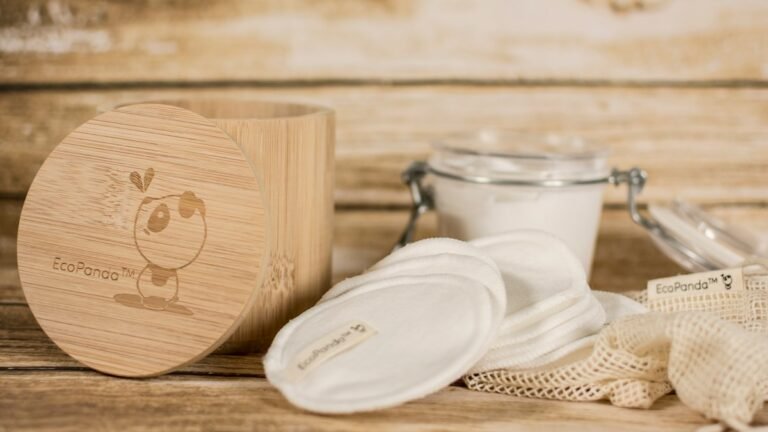
Swap disposable cotton rounds and makeup wipes for washable bamboo fibre pads. Bamboo rounds are silky soft, wash clean easily in a small mesh laundry bag, and last for hundreds of uses. Pair them with plantable pencils or bamboo accessories to build mindful habits into your daily workstation and grooming spaces.
Step 2: Upgrade Your Household Routine
Introduce bamboo cleaning towels and wipes to your kitchen and bathroom. Unlike microfibre cloths, which shed synthetic threads into your greywater with every rinse, natural plant fibres break down safely at the end of their usable life.
Step 3: Embrace Washable Protection
For personal hygiene or light incontinence care, choose washable pads made from bamboo and organic plant fibres. Rinse them in cold water after use, run them through a standard wash cycle without fabric softeners (which coat the fibres and reduce absorbency), and line dry them in the sun. Sunlight acts as a natural sanitiser and stain remover.
Building a Culture of Mindful Living
Real eco-transformation goes deeper than buying a new product; it requires rethinking how we interact with everyday materials. Aegle Sriphal combines functional design with community education, partnering with schools, colleges, and local organisations across India to show why material choices matter.
When you purchase conscious alternatives, you vote for cleaner soil, healthier water, and honest production methods. Whether it is a plantable stationery item that grows into an herb or durable homeware crafted from untreated bamboo, every small shift chips away at our global plastic reliance.
Making sustainable hygiene standard practice is within our reach. By choosing durable, plant-derived alternatives, we protect our personal health and honour the environment simultaneously. Discover the full collection of mindful essentials and invest in high-quality bamboo reusable products for daily living to start your zero-waste journey today.