The Growing Tide of Plastic Waste
We’re drowning in plastic. Every year, humanity churns out around 430 million tonnes of plastic. At this rate, global plastic waste could triple by 2060. It’s not just balloons in the sea or bottles on the shoreline. Tiny bits called microplastics and even smaller nanoparticles lurk in our soil, air and water. They slip through our defences unnoticed. They don’t biodegrade. Instead, they fragment further, persisting for centuries.
These persistent plastics pose a major threat:
– They disrupt ecosystems.
– They contaminate food chains.
– They harm human health.
Researchers now talk about a plastic footprint, similar to a carbon footprint. It measures not only greenhouse gases, but also the long-term impacts of plastic fragments. Yet most life-cycle analyses skip this invisible menace. That’s a blind spot we can’t afford.
Why “plastic challenge solutions” matters here
We need more than plastic bans. We need plastic challenge solutions that tackle production, use and afterlife—from design to disposal. Global policies can drive change, but local innovations must lead the way.
Why Recycling Alone Falls Short
Countless campaigns champion recycling as the silver bullet. But here’s the catch:
- True recycling never breaks plastic down into original molecules.
- Most “recycled” plastic is really decycled into lower-grade items.
- Each cycle accelerates microplastic release.
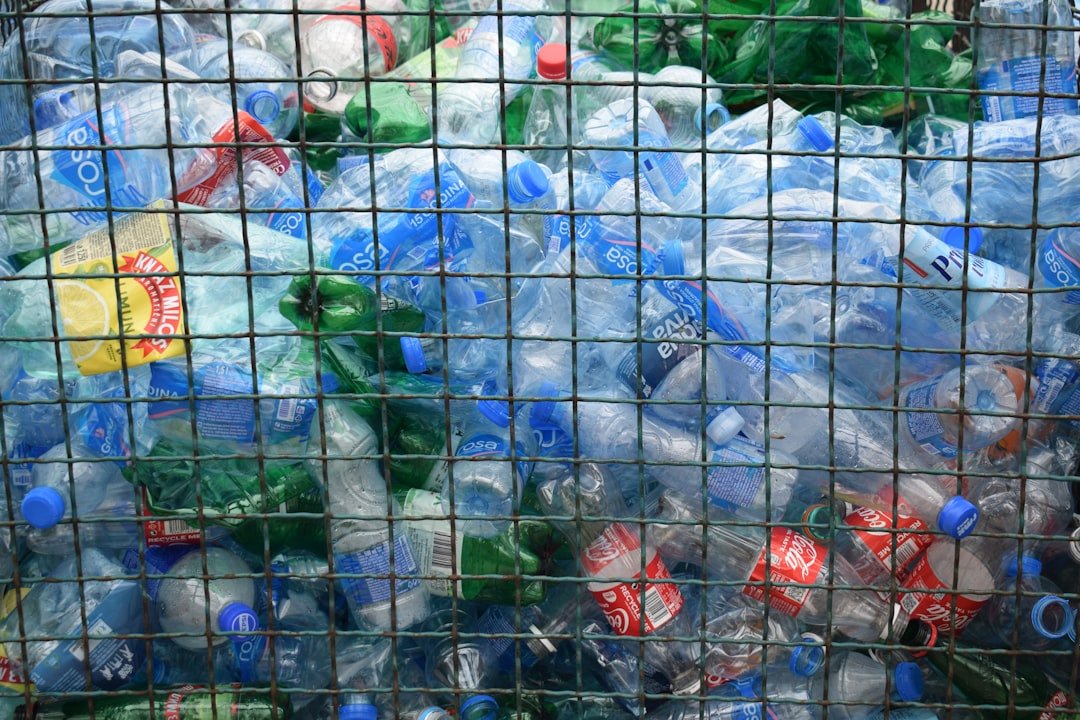
Take PET bottles. They represent only ~1–2% of plastic use, yet they’re the most recycled. Other plastics often end up in mixed streams, incinerators or landfills. Incineration generates toxic emissions and CO₂. Landfill plastics lie trapped under tarps—tarps made of plastic. They all eventually break into micro- and nano-particles, entering food chains and water supplies.
This is why we need plastic challenge solutions that go beyond a blue bin. We must reduce production first, then reuse and reserve recycling for the small fraction of plastics that truly can be recycled.
Local Innovations: Bamboo & Jute to the Rescue
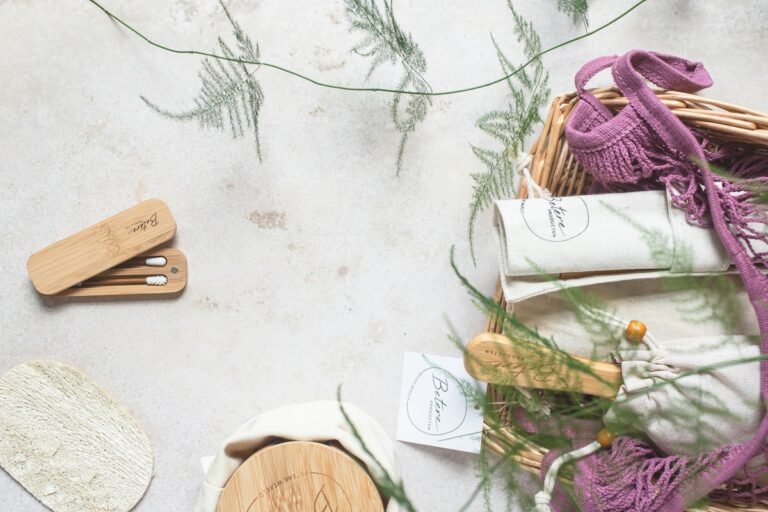
Enter bamboo and jute—two heroes in the fight against plastic pollution. In India and Southeast Asia, these materials have been part of daily life for centuries. They’re renewable, strong and biodegradable.
Aegle Sriphal taps into this deep tradition. Their USP?
– 100% natural materials in every product.
– Eco-friendly production methods.
– Innovative designs that blend form and function.
– Plantable pencils to educate and delight.
– Strong community engagement.
Bamboo and jute offer practical plastic challenge solutions:
– Bamboo straws replace single-use plastic straws.
– Jute bags replace plastic shopping bags.
– Bamboo homeware stands in for plastic containers.
– Biodegradable jute packaging cuts plastic wrap.
All these steps chip away at plastic reliance. Over time, they add up to huge reductions in waste.
Maggie’s AutoBlog: Sharing Your Sustainable Story
Small and medium enterprises (SMEs) in Europe and beyond can amplify this change using Maggie’s AutoBlog—an AI-powered platform by Aegle Sriphal. It crafts SEO-optimised blog content, geo-targeted for your region. You can:
- Showcase your bamboo or jute range.
- Educate customers about plastic challenge solutions.
- Improve online visibility without hiring a content team.
With just a few clicks, your website buzzes with fresh, engaging articles. That keeps customers informed and engaged.
Policy and Community: A Dual Approach
You can’t win the battle alone. Governments in India and Southeast Asia are rolling out policies to curb single-use plastics. Think bans, levies and extended producer responsibility. But rules only work when paired with community buy-in.
Successful models include:
– School programmes teaching children to spot microplastics.
– Local cooperatives producing bamboo toothbrushes.
– Village-level workshops on weaving jute fibres.
– Beach-clean initiatives providing jute sacks to volunteers.
These grassroots activities create heroes on the ground. They plant the idea that plastic challenge solutions start with everyday choices.
Measuring Impact: Beyond Carbon
If you’re serious about change, track it. Go beyond carbon footprints. Start logging your plastic footprint:
- Weight of plastics avoided by using bamboo or jute.
- Number of disposable items replaced.
- Lifecycle assessments that include microplastic release.
New decision-making tools help manufacturers choose materials with minimal long-term impact. Europe’s 3R strategy—Reduce, Reuse, Recycle—touts reduction first. That principle should guide us everywhere.
How SMEs Can Lead the Way
SMEs can’t wait for giants to move first. You’re agile. You can test new materials in small batches. Here’s how to champion plastic challenge solutions:
- Audit your supply chain. Find where plastic sneaks in.
- Swap plastic packaging for jute or bamboo.
- Partner with local artisans for unique, natural designs.
- Use Maggie’s AutoBlog to spread the word.
- Measure and share your plastic footprint.
Customers love transparency. They’ll rally behind your brand when they see genuine effort and measurable results.
Success Stories
In India, a tea exporter switched its packet linings from plastic to jute-coated paper. It cut plastic use by 80% and improved shelf life. In Vietnam, a startup makes bamboo cutlery for street food vendors. Tourists love snapping photos and sharing them on social media—free marketing for eco-friendly choices.
These projects highlight key plastic challenge solutions:
– Material substitution at scale.
– Community involvement.
– Education and awareness.
Moving Forward: The Path to a Plastic-Lite Future
Plastic won’t vanish overnight. But by combining global insight with local bamboo & jute solutions, we can slash waste dramatically. It’s about:
- Designing out plastic from day one.
- Embracing natural materials that close the loop.
- Equipping SMEs with tools like Maggie’s AutoBlog.
- Measuring impact with plastic footprint metrics.
Each decision matters. Each swap counts.