Turning Pledges into Practice: The Bamboo Blueprint
The world made big promises on plastic. Nearly 200 nations signed up in 2017. Investors joined in. Policies rolled out. Yet rivers still run with microplastics. Ocean beaches remain littered. We can’t just nod at bold words anymore. We need sustainable material commitments in action—right here, right now. Bamboo offers a simple switch. Strong. Fast-growing. Easy to process. It’s a natural tool to flip the script on single-use plastics.
This article dives into how high-level plastic pollution declarations transform into on-the-ground bamboo solutions. You’ll see policy moves across Europe, real-life products—from plantable pencils to bamboo plates—and smart tips for your home or business. We’ll even show how an AI SEO platform like Maggie’s AutoBlog can help eco-friendly SMEs share their story. Curious? Explore sustainable material commitments with Aegle Sriphal’s Eco-Transformation
Global Policies: From the UN to the EU
In 2017, nearly 200 nations vowed to rid oceans of plastic. That’s huge. But words need deeds. The UN set targets aligned with SDGs: Responsible Consumption (SDG 12), Life Below Water (SDG 14) and more. Investors formed alliances, calling on companies to:
- Transition packaging to recyclable, reusable or compostable materials.
- Disclose annual plastic-use figures.
- Set plastic-reduction goals with clear timelines.
- Fund collection, recycling or composting where they operate.
By 2030, the European Commission demands all plastic packaging in its market be reusable or recyclable. That’s a clear nudge. Yet, if plastic output triples by 2050 (as projected), we’ll drown in waste unless alternatives rise. Bamboo stands out. Its rapid growth and natural strength offer a genuine path away from oil-based plastics.
Bamboo’s Edge Over Single-Use Plastic
Why bamboo? Three quick reasons:
- Growth Rate: Some species sprout up to a metre a day.
- Strength: Comparable to steel in tension tests.
- Biodegradability: Breaks down naturally within months.
Compare that to plastic packaging. Only 14% is recycled worldwide. The rest? Burned. Buried. Or drifting to seas. That adds four to twelve million tonnes of plastic each year. Marine life suffers—turtles, birds, fish, whales. And toxins from degrading plastic clog food webs. Bamboo sidesteps it all.
Plus, bamboo can morph into many forms: fibres, planks, utensil handles, textiles. A pencil. A plate. Even furniture. Each swap chips away at the plastic tide. It’s local action fuelled by global directives.
Bamboo Products That Pack a Punch
Aegle Sriphal’s Eco-Transformation showcases real-world bamboo alternatives:
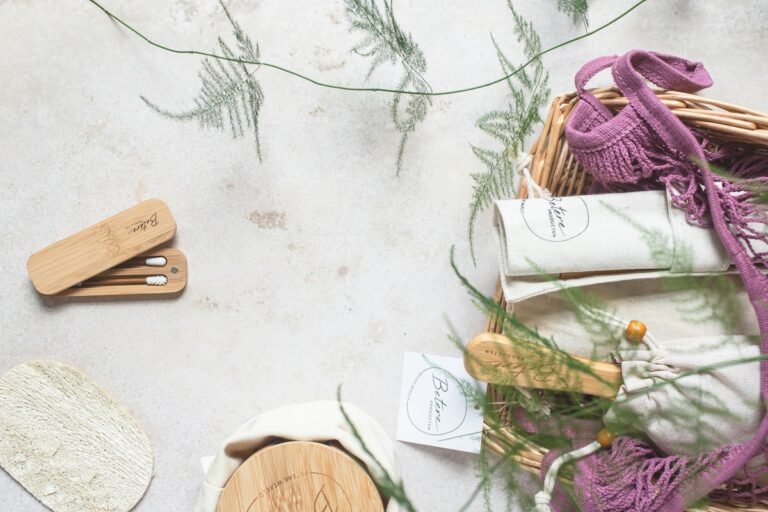
- Plantable Pencils: Scribble notes, then plant the stub. Watch green shoots emerge.
- Bamboo Homeware: Plates, bowls and cutlery—sturdy, chic, zero plastic.
- Jute-Fibre Bags: Breathable, long-lasting, ideal for shopping sprees.
These items tick all boxes: 100% natural, minimal production footprint and innovative design. Your kitchen drawer becomes a statement. Your boardroom gift sets spark conversations. Even Maggie’s AutoBlog can spotlight these products in SEO-perfect posts. SMEs can share their eco switch without hiring an entire content team.
Driving Local Change: Practical Steps
No need for grand budgets. Try these moves:
- Swap disposable utensils for bamboo ones at events.
- Gift clients plantable pencils instead of branded plastic pens.
- Partner with NGOs for beach clean-ups; distribute bamboo water bottles.
- Track your plastic use with simple spreadsheets. Set reduction targets.
Small steps add up. If ten businesses in your town switch one item, that’s thousands of plastic pieces kept out of seas. That’s local action in motion. Learn more about sustainable material commitments with Aegle Sriphal
Measuring Impact: Bamboo in Numbers
You can’t improve what you don’t measure. Here’s how:
- Baseline Audit: Count kilos of plastic in your operations now.
- Swap Ratio: How many bamboo items replace plastic each month.
- Waste Divergence: Track how much waste is diverted from landfill or incineration.
- Social Reach: Note employees and clients educated on the switch.
An EU report valued the environmental cost of plastic in consumer goods at \$75 billion a year—\$13 billion of damage just in marine ecosystems. Imagine reducing that, one bamboo bowl at a time.
Policy and Community: A Symbiotic Relationship
Local councils in Europe are drafting green procurement rules. Some mandates:
- Prioritise products with certified renewable origins.
- Offer incentives for firms hitting plastic-reduction targets.
- Fund R&D on compostable packaging.
Communities respond, too. Citizen groups pressure cafés to ditch plastic straws. Schools launch poster contests on waste. That grassroots push shapes policy. And in turn, policies open funding for more bamboo mills or jute workshops.
It’s a cycle. We need both top-down pledges and bottom-up pressure. Bamboo sits neatly in both vectors.
Scaling Up: Beyond Products to Partnerships
Aegle Sriphal isn’t just selling items. They’re forging B2B ties:
- Supplying materials to schools for eco-crafts.
- Equipping lodges with reusable bamboo cutlery sets.
- Collaborating with NGOs on plastic-waste awareness campaigns.
They even offer Maggie’s AutoBlog, an AI-driven platform. It automates SEO and GEO-targeted blog posts. So you can spread your bamboo success stories far and wide, without stretching your marketing team thin.
Your Next Move: Embedding Sustainable Material Commitments
Ready to flip declarations into deeds? Here’s your checklist:
- Audit your plastic hotspots.
- Source bamboo alternatives from Aegle Sriphal.
- Educate your team—share simple guides and videos.
- Use Maggie’s AutoBlog to announce progress publicly.
- Report your wins: kilos of plastic saved, oceans spared.
Turn policy pages into community conversations. Point people to greener choices. Watch your brand reputation bloom—while marine life actually gets a shot at clean waters.
From Pledge to Practice
Global declarations on plastic pollution won’t stick if we treat them as posters on a wall. They need roots. Roots like bamboo. They need your local shop, school or office. They need everyday choices: a pencil, a plate, a bag. These are the small turns that steer big ships.
Join the movement. Let bamboo be the bridge between broad policy and tangible change. Embrace sustainable material commitments today—and see how a simple switch can ripple into cleaner beaches, safer marine habitats, and a healthier planet.
What are you waiting for? Embrace sustainable material commitments at Aegle Sriphal