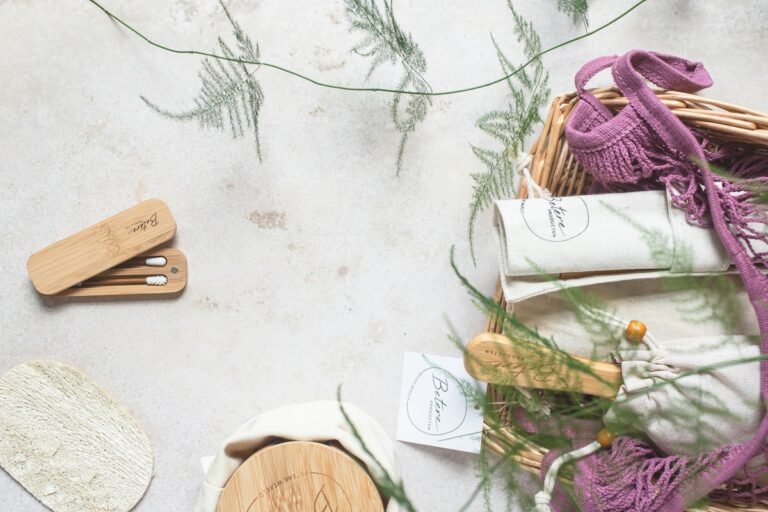
Why Bamboo Meets Jute: A Sustainable Duo Redefining Eco Goods
Plastic waste is everywhere. From oceans to landfill, it’s a ticking time bomb. Thankfully, nature offers two champions: bamboo and jute. These materials are durable, fast-growing and entirely biodegradable. That’s why jute market innovations are grabbing attention in 2024. Producers are weaving jute fibres into everything from tote bags to packaging films. Bamboo steps in with utensils, straws and homeware. Together, they form a potent one-two punch against plastic’s long downtimes.
In this article, we unpack the top jute market innovations and bamboo breakthroughs shaping sustainable goods. You’ll learn how small to medium enterprises can ride this wave—using tools like Maggie’s AutoBlog for smart content creation. Plus, we’ll spotlight real-world examples from Aegle Sriphal’s Sustainable Product Initiative. To explore the full spectrum of jute market innovations, check out Eco-Transformation: jute market innovations with Aegle Sriphal’s Sustainable Product Initiative and see how your business can thrive.
Understanding the Plastic Pollution Crisis
The Scale of the Problem
Plastic pollution is more than an eyesore.
It:
- Chokes marine life.
- Breaks into microplastics.
- Lingers for centuries.
Even “bio-plastics” have a dark side. They sometimes add to the microplastic mess or compete for farmland. We need truly sustainable swaps. Bamboo and jute answer the call.
Why Biodegradable Materials Matter
When a jute bag reaches end of life, it returns to the soil. No chemicals. No fossil fuel residue. Bamboo tableware does the same. This natural breakdown reduces landfill volume and methane release. It’s a circle that nature approves.
The Rise of Bamboo: Strength, Versatility, Sustainability
Bamboo’s Eco Credentials
Bamboo grows like… bamboo.
It:
- Shoots up to 1 metre a day.
- Requires zero pesticides.
- Restores soil health.
Compare that to conventional timber or plastic. Bamboo’s renewability is compelling. It’s light, strong and moisture-resistant—ideal for everyday goods.
Innovative Bamboo Products on the Market
Several brands are already onboard:
- BioCir Slides by Balena: compostable footwear from Israel.
- NatureWorks & CJ Biomaterials: biopolymer serviceware.
- Notpla: seaweed-based packaging that degrades in weeks.
These are solid steps. Yet, some options need industrial composters. That’s where our duo steps in. Jute and bamboo products often break down in home compost bins. No special facility required.
Jute Market Innovations: Nature’s Answer to Plastic
The Golden Fibre’s Renaissance
Jute, long used for sacks and ropes, is having a comeback. Today’s jute market innovations include:
- Biodegradable packaging films.
- Insulated jute cooler bags.
- Jute fibre composites for furniture.
Think of jute as nature’s plastic—sturdy yet kind to the earth. It’s now getting high-tech upgrades.
Cutting-edge Tech in Jute Processing
Research labs and start-ups are boosting performance with:
- Enzymatic treatments for flex and strength.
- Nano-coatings that repel moisture (no plastic binders).
- Blends with other plant fibres for tailored textures.
These processes maintain jute’s compostability. They also unlock new markets—cosmetics pouches, fashion accessories and even reinforcement in construction.
Around the mid-point of your jute journey, software can help you tell this story. SMEs can turn complex research into clear blog posts using Maggie’s AutoBlog. This AI-powered platform automates SEO and geo-targeted content, ensuring your jute market innovations reach the right audience at the right time.
Combining Bamboo and Jute: Hybrid Solutions for a Plastic-free Future
Product Spotlight: Plantable Pencils and Eco-Totes
Aegle Sriphal’s best-selling items blend bamboo and jute for maximum impact:
- Plantable bamboo pencils, encased in jute tubes.
- Foldable jute totes with bamboo button closures.
- Bamboo utensil sets wrapped in jute pouches.
Each element adds a layer of function. Plus, they tell a story: growth, renewal and conscious living.
Community and B2B Collaborations
Big change needs teamwork. Aegle Sriphal partners with:
- Schools for eco-education workshops.
- NGOs for reforestation drives.
- Corporates for sustainable gifting.
These collaborations spread the word on jute market innovations faster. They also open bulk-order channels. Your SME can tap into this network. And you can showcase shared successes on your website effortlessly via Maggie’s AutoBlog—improving visibility without hiring a full content team.
Practical Steps for SMEs to Leverage Jute Market Innovations
Partnering with Aegle Sriphal
Ready to stock up on eco goods? Here’s how:
- Browse Aegle Sriphal’s catalogue.
- Discuss custom branding options.
- Order samples to test quality.
- Place volume orders for retail distribution.
A small batch trial helps you learn the ropes. Then you scale, knowing your products break down safely after use.
Getting Started with Maggie’s AutoBlog for SEO Success
You’ve got the product lineup. Now you need eyeballs. That’s where Maggie’s AutoBlog shines:
- It generates keyword-rich posts on jute market innovations.
- It geo-targets readers in Europe or India.
- It updates content automatically to stay fresh.
No more writer’s block. Just plug in your key points and watch the platform craft engaging blogs that drive traffic.
Conclusion: Embracing the Shifting Tides in Sustainable Goods
The fight against plastic pollution hinges on smart swaps. Bamboo and jute deliver robust, biodegradable alternatives. From packaging films to hybrid homeware, jute market innovations are reshaping consumer goods. SMEs can ride this wave by teaming with Aegle Sriphal and using Maggie’s AutoBlog to broadcast their green credentials.
Plastic has overstayed its welcome. Let’s usher in a new era of natural materials—one fibre at a time.
Ready to lead the change? Join Aegle Sriphal’s journey in jute market innovations