Rethinking Daily Routines: The Rise of Sustainable Living
Single-use plastics have quietly taken over our homes, offices, and travel bags. From synthetic toothbrushes to disposable cutlery, mainstream everyday products leave behind an everlasting ecological footprint. Making a deliberate shift towards zero-waste living does not mean sacrificing convenience or personal style. By adopting sustainable lifestyle essentials, you can easily swap out harmful synthetic goods for durable, plastic-free alternatives made directly from nature.
Transitioning to a greener lifestyle is a gradual process built on daily, conscious decisions. Focusing on renewable resources like organic bamboo, woven jute, and natural cork allows us to dramatically cut down on landfill waste while supporting responsible manufacturing practices. In this comprehensive guide, we unpack practical ways to clean up your daily routine, curate your ideal zero-waste travel kit, and choose eco-friendly items that benefit both your personal wellbeing and the planet.
Why Renewable Materials Are Revolutionising Eco-Friendly Goods
Most consumer items rely heavily on petroleum-based plastics that take hundreds of years to break down. When you replace these items with fast-growing, biodegradable plants, the positive impact on the environment is immediate.
The Superpower of Natural Bamboo
Bamboo is one of the fastest-growing plants on Earth. It requires no chemical pesticides, needs minimal water, and self-regenerates after harvesting without damaging the surrounding soil.
- Exceptional Durability: Bamboo fibres possess natural tensile strength, making them far tougher than standard plastics.
- Naturally Antimicrobial: Bamboo inherently resists bacteria and fungi, making it ideal for personal hygiene tools and kitchen items.
- 100% Biodegradable: At the end of its useful lifespan, untreated bamboo decomposes naturally back into the soil without leaching toxic residues.
The Strength of Jute and Cork
Beyond bamboo, materials like natural jute and harvested tree cork offer brilliant functional alternatives for lifestyle accessories. Jute, often called the “golden fibre,” is completely compostable and incredibly sturdy, making it perfect for heavy-duty tote bags and storage pouches. Cork provides a lightweight, water-resistant material harvested without cutting down trees, preserving delicate forests while creating sleek wallets, mats, and travel sleeves.
Zero-Waste Essentials for Daily Personal Care
Your morning routine is often the biggest source of hidden plastic waste. Switching your bathroom items is one of the easiest ways to kickstart a zero-waste lifestyle.

1. Bamboo Toothbrushes & Dental Care
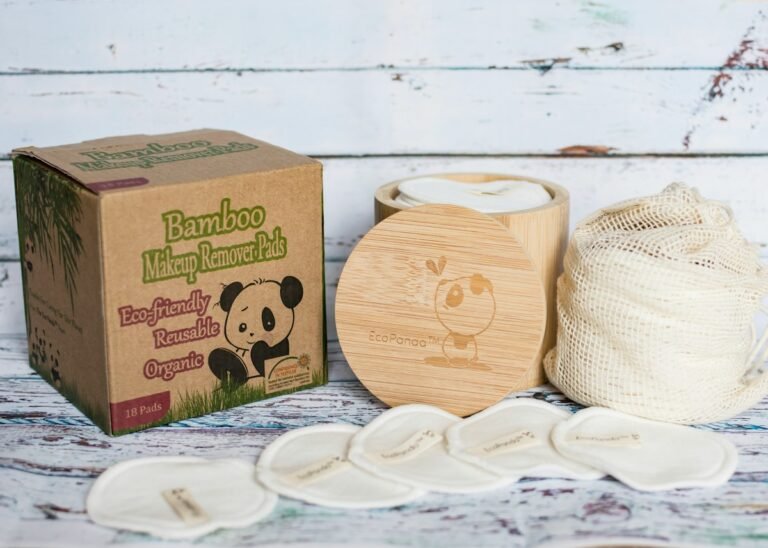
Standard plastic toothbrushes end up in landfills or oceans by the billions every single year. A smooth, ergonomic bamboo toothbrush delivers the exact same cleaning power with a fully compostable handle. Pair it with plastic-free toothpaste tablets to remove synthetic tubes from your sink entirely.
2. Solid Soap & Shampoo Bars
Liquid soaps and shampoos consist mostly of water packaged in thick plastic bottles. Solid soap bars packed in simple paper or natural fibre mesh sacks eliminate plastic waste while lasting significantly longer than liquid alternatives.
3. Reusable Safety Razors
Disposable razors are expensive, flimsy, and impossible to recycle effectively. A classic stainless steel or bamboo-handled safety razor provides a smoother, closer shave while requiring only inexpensive, fully recyclable metal blades over its lifetime.
Sustainable Travel Kits: Pack Light, Travel Clean
Staying eco-conscious while travelling can feel tricky when disposable options are everywhere. Having a well-curated travel set keeps you prepared without relying on single-use convenience items.
On-the-Go Dining Without Plastic
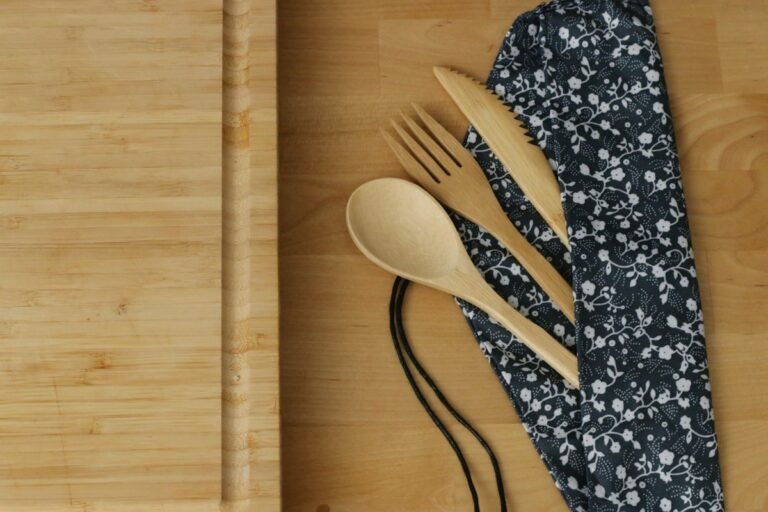
Fast food on trips usually comes with a mountain of plastic forks, spoons, and wrapped straws. Keeping a compact, lightweight bamboo cutlery set in your bag ensures you can enjoy meals anywhere cleanly. Bamboo straws are naturally heat-resistant, easy to wash, and lightweight enough to carry every single day.
When you upgrade your everyday accessories to high-quality, plastic-free alternatives, you eliminate plastic waste before it even happens. Check out sustainable lifestyle essentials designed for conscious daily living to keep your travel footprint completely clean.
Comparing Everyday Materials: Traditional vs Natural Alternatives
To understand why making the swap matters, it helps to compare standard consumer products directly against natural alternatives:
| Product Category | Traditional Option | Sustainable Bamboo & Natural Option | Key Environmental Benefit |
|---|---|---|---|
| Personal Hygiene | Synthetic Plastic Toothbrush | Organic Bamboo Toothbrush | Fully compostable handle, zero microplastics |
| Bags & Storage | Single-use Polyethylene Bags | Woven Jute Tote & Cotton Pouches | Reusable for years, completely biodegradable |
| Stationery | Disposable Plastic Ballpoint Pens | Plantable Graphite & Seed Pencils | Zero waste; grows into green plants after use |
| Kitchenware | Plastic Cutlery & Straws | Sanded Natural Bamboo Sets | Durable, washable, pesticide-free material |
| Travel Accessories | Synthetic Leather & Vinyl Holders | Harvesting-Safe Natural Cork | Cruelty-free, harvested without damaging trees |
Promoting Circular Living Through Educational Products
Sustainability is about more than just buying alternative goods; it is about changing how we view waste as a whole. Innovative products can turn everyday tasks into interactive environmental learning opportunities.

Plantable Stationery: Closing the Loop
Consider stationery items like plantable pencils. Instead of throwing away a short pencil stub, you plant it directly into potted soil. The biodegradable seed capsule embedded at the top sprouts into herbs, flowers, or vegetables.
This simple design transforms a routine waste item into fresh green life. It serves as an ideal educational tool for schools, corporate giveaways, and family homes, helping teach children and adults alike about circular economics and environmental care.
Mindful Homeware Design
Bringing natural textures like raw bamboo, jute, and cork into your home creates a calmer, more grounded living space. Natural homeware items do not off-gas volatile organic compounds (VOCs) commonly associated with cheap synthetic plastics, contributing to better indoor air quality alongside lower environmental impact.
Four Simple Steps to Transition to a Zero-Waste Lifestyle
You do not need to overhaul your entire house overnight. Trying to change everything at once often leads to burn-out. Instead, follow a sensible, step-by-step approach:
- Audit Your Current Plastic Output: Look in your bin at the end of the week. Identify the top two or three plastic items you throw away most frequently.
- Use Up What You Already Have: Do not throw away functional plastic items just to buy eco-friendly replacements. Use them until they wear out naturally.
- Replace Mindfully with Natural Goods: When an old item needs replacing, invest in a durable alternative made from bamboo, jute, or cork.
- Build Sustainable Daily Habits: Keep reusable tote bags by your front door and place a travel cutlery kit in your work bag so you are never caught unprepared.
Driving Regional Change Through Eco-Conscious Choices
Making conscious consumer choices creates a powerful ripple effect across local communities and regional supply chains. Prioritising locally sourced, natural raw materials supports ethical crafting practices, reduces carbon emissions tied to global freight, and encourages regional businesses to invest in greener production methods.
When schools, offices, and households choose plastic-free solutions, they collectively lighten the burden on local municipal waste systems. Every sustainable choice helps clean up waterways, protect regional wildlife, and reduce atmospheric carbon.
Ready to take your next step towards a plastic-free lifestyle? You can explore Aegle Sriphal’s eco-friendly products today and discover natural, beautifully designed travel and home essentials built for a greener tomorrow.