The Shift Towards Eco-Friendly Living
Every single plastic item ever made still exists somewhere on Earth today. That is a sober thought when you look around your kitchen, living room, or office. Mainstream consumer goods are usually mass-produced with cheap synthetic resins, leaving behind tons of non-biodegradable waste. Changing this story starts with small, daily decisions in our own homes. Transitioning to zero-waste swaps and organic materials helps reduce our environmental footprint while making our daily spaces healthier and far more pleasing to look at.
Making the switch to a greener lifestyle does not mean throwing away everything you own overnight. It is about replacing items mindfully when they wear out. Choosing fast-growing natural resources like bamboo, jute, and plantable stationery creates a circular routine that gives back to nature instead of taking away from it. If you are looking to revamp your everyday spaces, exploring sustainable lifestyle essentials from Aegle Sriphal offers a simple way to embrace thoughtful living without sacrificing utility or style.
Why Choose Natural Materials for Your Home?
Plastics and synthetic composites are everywhere. However, they come with hidden costs like microplastic contamination and chemical off-gassing. Natural materials present a clean, durable, and fully biodegradable alternative.
The Power of Bamboo
Bamboo is one of the fastest-growing plants on the planet. It requires no chemical fertilisers, minimal water, and regenerates automatically from its root system after harvesting.
- Remarkable Strength: Bamboo fibers possess impressive tensile strength, making them ideal for heavy-duty kitchen utensils and furniture.
- Naturally Antimicrobial: Bamboo contains a natural agent called bamboo-kun, which resists pests and bacteria naturally.
- Low Carbon Footprint: It absorbs huge amounts of carbon dioxide and generates 35% more oxygen than an equivalent stand of trees.
The Versatility of Jute
Often called the “golden fibre”, jute is completely biodegradable and recyclable. It is tough, breathable, and adds a warm, rustic texture to modern home décor.
- Soil Enriching: Growing jute actually improves soil fertility for future crop rotations.
- Zero Toxicity: Free from harmful chemical treatments, making it safe for food storage and everyday hand totes.
- High Durability: Highly resistant to wear and tear, making it ideal for carpets, storage bins, and shopping bags.
Top Sustainable Household Essentials for Every Room
Transitioning your home to eco-conscious alternatives is easiest when broken down room by room. Here are practical ways to replace plastic waste with durable, natural solutions.

1. Sustainable Kitchenware and Dining
The kitchen is typically the biggest source of single-use plastic waste in any household. From disposable cutlery to plastic food containers, plastic seems to dominate cooking spaces.
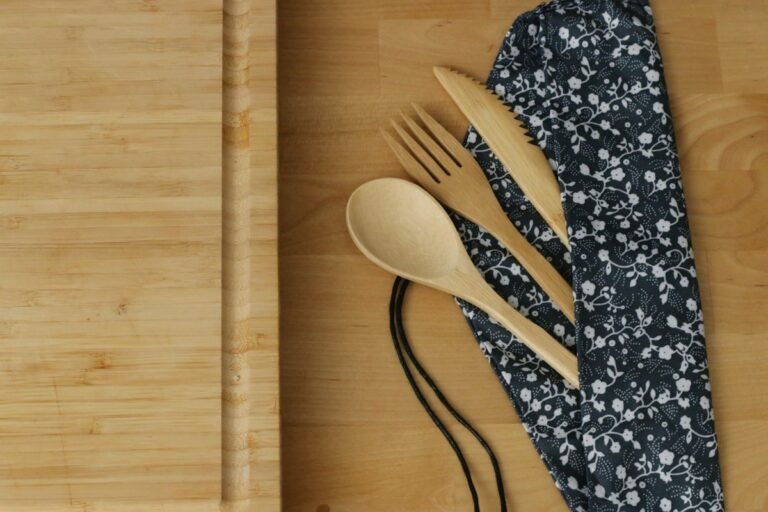
- Bamboo Utensils and Cutting Boards: Unlike plastic boards that shed microplastics into your food, bamboo boards are smooth, easy on knife blades, and naturally hygienic.
- Coconut Shell Bowls: Perfect for breakfast bowls, salads, and snacks, re-purposed coconut shells bring a piece of nature directly to your dining table.
- Jute Grocery Tote Bags: Keep a set of sturdy jute bags in your hallway or car trunk. They easily carry heavy grocery loads without tearing.
By making conscious upgrades, you can easily discover practical tips for an eco-friendly transformation that keeps plastic out of our landfills and oceans.
2. Mindful Workspaces and Stationery
Excess plastic isn’t limited to the kitchen. Plastic ballpoint pens, acrylic organizers, and synthetic desk pads clog up our study rooms and offices.
- Plantable Pencils: These innovative pencils contain seeds in a water-soluble capsule at the end. When the pencil becomes too short to use, plant it in a pot of soil, water it, and watch herbs or flowers bloom!
- Bamboo Desk Organisers: Replace plastic trays with smooth, elegant bamboo holders for your pens, documents, and tech accessories.
- Recycled Paper Notebooks: Choose unbleached, chemical-free paper products to lower water consumption during manufacturing.
Overcoming Mainstream Household Challenges
It is easy to see why cheap synthetic goods are so popular: they are cheap and available everywhere. But taking a long-term view changes the picture completely.
| Challenge | Plastic / Synthetic Items | Natural Material Items |
|---|---|---|
| Environmental Impact | Takes up to 500 years to decompose; breaks down into toxic microplastics. | 100% biodegradable; returns organic matter back to the soil safely. |
| Longevity & Quality | Warps, cracks, and degrades quickly under heat or heavy wear. | Sturdy, resilient, and gains a rich natural character over time. |
| Health Considerations | May leach chemicals like BPA and phthalates into food or air. | Non-toxic, natural materials free from synthetic additives. |
| Aesthetic Value | Generic, mass-produced look. | Warm, organic textures that enhance any interior decor. |
Educating and Inspiring the Community
True sustainability goes beyond purchasing green goods. It requires a shift in how we think about waste, consumption, and community action.

Teaching children and young adults about circular life cycles builds habits that last a lifetime. Using simple items like plantable pencils in schools proves that waste can lead to new growth. Encouraging businesses, universities, and local organisations to swap out corporate giveaways for eco-friendly products creates real impact on a regional scale.
Small daily actions, multiplied by millions of households, drive the systemic change required to protect local ecosystems and build climate resilience.
Simple Steps to Start Your Eco-Transformation Today
Ready to start your zero-waste journey? Here is a simple, stress-free checklist to help you transition smoothly:
- Audit Your Household Waste: Identify the top three single-use plastic items you use daily.
- Swap Items as They Wear Out: Replace items gradually instead of discarding usable products.
- Choose Renewable Materials: Prioritise bamboo, jute, organic cotton, and untreated wood.
- Support Mindful Brands: Purchase from companies dedicated to ethical sourcing and clean manufacturing.
- Compost and Plant: Dispose of natural items in garden compost or plant seed-based stationery to close the loop.
Small steps add up fast. Upgrading your daily items creates a healthier environment indoors and a cleaner planet outside. Explore Aegle Sriphal’s eco-conscious homeware collections today and take the first step towards a sustainable future!