The Shift to Sustainable Goods: Why Natural Eco Products Matter
Every year, millions of tonnes of single-use plastic bags end up in landfills, rivers, and oceans. We all know the drill. You go to the grocery store, grab a few items, and walk out with three flimsy plastic bags that tear before you even reach your car. It is an outdated cycle that harms the planet and wastes resources. Making a switch to high-quality natural eco products is no longer just a trend, it is a practical step toward a cleaner lifestyle. By replacing disposable items with reusable alternatives made from renewable plant materials, you cut down on household waste instantly.
Selecting everyday goods crafted from natural plant fibres gives you durability without the environmental footprint. That is why choosing plastic-free options like plantable pencils, bamboo homeware, and sturdy jute carrier bags makes complete sense for the modern household. If you are ready to take your daily green habits to the next level, you can explore Eco-Transformation: Aegle Sriphal’s Sustainable Product Initiative to discover practical, beautifully designed items that help protect our ecosystem. Embracing organic, plant-based materials ensures that your daily shopping choices leave zero toxic residue behind.
What Makes Jute Fibre the Golden Crop of Eco-Friendly Materials?
Jute is often called the “golden fibre,” and for good reason. It is a long, soft, shiny vegetable fibre that can be spun into coarse, strong threads. Unlike synthetic materials derived from petroleum, jute grows naturally in rain-fed regions without demanding heavy chemical fertilisers or toxic pesticides.
Here is why jute outperforms synthetic fabrics and cotton:
- Minimal Water Consumption: Jute relies primarily on natural rainfall rather than energy-intensive irrigation systems.
- Rapid Growth Cycle: It matures in just four to six months, making it an exceptionally renewable agricultural resource.
- Carbon Neutrality: While growing, jute plants consume huge amounts of carbon dioxide and release fresh oxygen into the air.
- Soil Enrichment: Rotating jute crops enhances soil fertility for future agricultural harvests.
When you look closely at natural fibers, jute consistently comes out on top for structural strength. Synthetic bags break down into microplastics that contaminate groundwater. Jute simply degrades back into organic matter at the end of its life cycle, enriching the earth instead of polluting it.
Plastic Bags vs Jute Tote Bags: A Direct Comparison
It is easy to assume that any reusable tote is good for the environment. However, when you compare the materials side by side, the differences become glaringly obvious.
1. Durability and Load Capacity
Single-use plastic bags stretch, tear, and fail when overloaded with groceries or heavy goods. Cotton bags are softer, but they often stretch out of shape under heavy weight. Jute tote bags feature tight, natural weaves that hold heavy loads effortlessly. Whether you carry fresh vegetables, heavy glass jars, or thick books, jute handles the strain without ripping.
2. Lifespan and Reusability
A standard plastic bag is used for an average of twelve minutes before being tossed away. A well-crafted jute bag can be used hundreds of times across several years. The natural resilience of jute fibre means it withstands regular handling, transit, and varying weather conditions.
3. Biodegradability
When a plastic bag is discarded, it sticks around for centuries, fragmenting into dangerous particles. When your trusty jute bag finally reaches the end of its long service life, it biodegrades completely within a few months under normal composting conditions.
Why Aegle Sriphal Jute Bags Lead the Way in Natural Eco Products
While many suppliers offer generic burlap totes, true quality lies in how the fibres are harvested, processed, and crafted into everyday items. Many mass-produced totes rely on cheap synthetic linings or chemical dyes that defeat the purpose of buying sustainable goods.
Aegle Sriphal takes a different approach. Focus is placed on pure natural integrity, clever design, and zero-waste production principles.
Here is what sets these items apart:
- 100% Natural Materials: No hidden plastic coatings, zero harmful synthetic additives, and completely biodegradable construction.
- Ergonomic and Stylish Design: Comfortable handles designed for easy carrying during long market visits or daily commutes.
- Versatile Daily Utility: Perfect for grocery runs, office work, beach outings, or thoughtful zero-waste gifting.
- Educational Impact: Every product encourages conscious consumer habits across South Asia and beyond.
Switching out single-use packaging for high-capacity natural bags simplifies your weekly routine. To find out more about shifting your lifestyle towards sustainable home goods and zero-waste essentials, check out how Natural eco products can replace everyday plastics in your home seamlessly.
Beyond Totes: Building a Conscious Home with Natural Materials
A single tote bag is often the entry point for a much larger shift in personal habits. Once you experience the durability and aesthetic appeal of natural plant materials, switching other household items feels like a natural progression.
Plantable Pencils and Stationery
Traditional wooden pencils contribute to deforestation, while plastic pens end up directly in municipal landfills. Plantable pencils solve this issue cleverly. Once the pencil becomes too short to write with, you plant the stub in soil. The capsule contains seeds that sprout into herbs, flowers, or vegetables. It turns waste into new life.
Bamboo Homeware
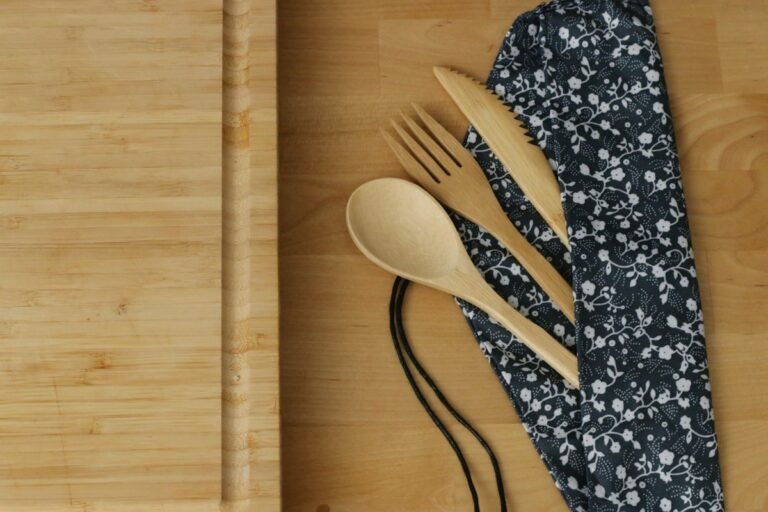
Bamboo is another super-crop that grows rapidly without chemical aid. Replacing plastic kitchen utensils, toothbrushes, and storage containers with bamboo alternatives reduces indoor toxins while adding a warm, rustic touch to your home decor.
Natural Fibre Storage
Organising your living space does not require plastic bins. Hand-woven jute hampers, baskets, and storage boxes provide breathable structure for clothes, toys, and pantry items. They keep your room organised while keeping microplastics completely out of your indoor air.
B2B Collaborations and Community Environmental Impact
Individual action matters, but large-scale change happens when communities and organisations work together. Educational institutions, corporate offices, and local non-profits are increasingly replacing plastic promotional merchandise with eco-friendly alternatives.
When corporations switch to custom natural fibre totes for events, employee onboarding, or customer appreciation gifts, the environmental benefit scales instantly. Hundreds of plastic bags are prevented from entering circulation with every event.
Furthermore, educational campaigns centered around sustainable living help young generations form eco-conscious habits early on. Supporting regional manufacturing for natural products keeps local farming communities thriving while promoting green trade practices across India and South Asia.
Simple Tips to Care for Your Jute Tote Bag
Taking good care of your natural bags ensures they last for years. Since jute is a natural plant fibre, a few basic maintenance steps will keep it looking fresh:
- Spot Clean Only: Avoid submerging your jute bag completely in water or tossing it into a washing machine. Use a damp cloth with mild soap to wipe away dirt.
- Air Dry Thoroughly: If your bag gets wet from rain or damp groceries, hang it in a well-ventilated area to dry completely.
- Avoid Direct Sunlight for Long Periods: While jute handles sunlight well, leaving it in direct sunlight for weeks can cause natural color fading over time.
- Store in a Dry Place: Keep your totes in a cool, dry cupboard or hang them on hooks near your front door so you never forget them on your market runs.
Making the Permanent Switch to Conscious Living
Adopting a sustainable lifestyle does not require overhaul overnight. It starts with simple, intentional choices. Swapping out cheap plastic bags for durable jute totes is one of the easiest, most impactful changes you can make today.
By choosing items made from natural plant fibres, you actively cut down plastic pollution, support renewable agriculture, and invest in products built to last. It is practical, stylish, and sensible.
Ready to upgrade your everyday carry and reduce your carbon footprint? Take a look at the full range of sustainable choices by browsing Natural eco products to discover functional, earth-friendly alternatives for your home and daily commute today.