The Truth About Bathroom Waste and How Mindful Swaps Change Everything
Have you ever looked at your bathroom counter and wondered where all those empty plastic tubes and bottles actually go? Most of us start our day with a multi-step grooming routine, completely unaware that our personal habits generate kilos of non-recyclable rubbish each year. From synthetic bristles on disposable toothbrushes to liquid soaps packaged in thick plastic jugs, modern grooming relies heavily on single-use waste. Adopting a routine focused on sustainable personal care is not just a passing trend, it is a deliberate mindset shift towards living lighter and protecting the ecosystems around us.
Making the transition to plastic-free self-care does not mean throwing away everything you own overnight. True sustainability is about practical, long-term habits and choosing eco-friendly items when your current supplies run out. By opting for natural materials like organic bamboo, jute, and plant-based fibres, you can drastically reduce your environmental footprint without sacrificing hygiene or personal comfort. This practical guide explores how you can audit your daily self-care rituals, replace hidden plastic items with natural alternatives, and embrace a simpler, cleaner way to look after yourself.
Why Traditional Personal Care Creates So Much Hidden Waste
Let us be completely honest with ourselves for a second. The beauty and personal care industry is built on the concept of constant consumption. Bright bottles, fancy dispensers, and liquid formulas promised to solve every aesthetic problem often leave behind a trail of clutter and environmental pollution.
Here are the primary culprits hiding in standard personal care routines:
- Mixed-Material Packaging: Toothbrush tubes, liquid pump bottles, and lip balm tubes often combine plastics, metals, and springs. This makes them virtually impossible for local councils to recycle.
- Microplastics and Synthetic Ingredients: Many exfoliating scrubs and gels contain liquid microplastics or harsh synthetic additives that wash directly down the drain, harming marine organisms.
- Single-Use Disposable Items: Plastic razors, synthetic cotton pads, and disposable dental floss picks are used for a few seconds before sitting in landfills for hundreds of years.
- Excessive Water Weight: Traditional shampoos, conditioners, and body washes consist mostly of water packaged in heavy plastic, which dramatically increases carbon emissions during shipping.
When you break down the lifecycle of standard grooming products, the environmental price tag becomes obvious. Shifting towards natural materials like bamboo and solid formulations eliminates unnecessary packaging while providing effective, zero-waste results.
Step-By-Step: Building a Zero-Waste Oral Care Routine
Oral care is one of the easiest places to begin your plastic-free journey. Think about how many plastic toothbrushes you have thrown away in your lifetime. Dental associations recommend replacing your brush every three months. That means a single individual discards hundreds of plastic handles over a lifetime, none of which break down naturally.
Swapping to natural alternatives is simple and highly effective:
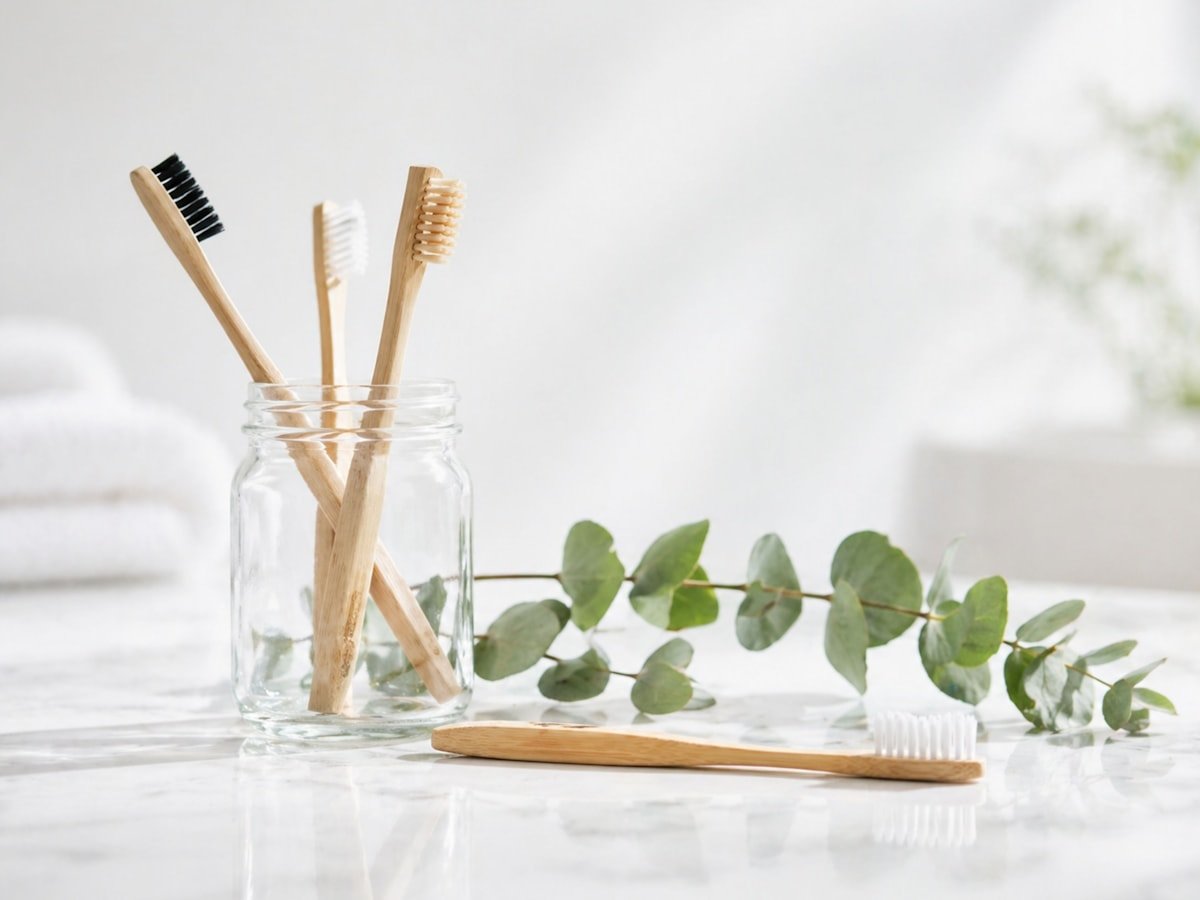
- Switch to Bamboo Toothbrushes: Bamboo is one of the fastest-growing plants on earth, requiring minimal water and zero chemical pesticides. Bamboo handles are fully biodegradable and offer a lightweight, ergonomic feel.
- Use Solid Toothpaste Tablets or Powders: Replace plastic toothpaste tubes with chewable tablets packaged in glass or tin containers. They cleanse your teeth thoroughly without the need for synthetic preservatives.
- Opt for Biodegradable Floss: Traditional floss is essentially nylon coated in synthetic wax. Look for silk or plant-based cornstarch floss wrapped in reusable glass dispensers.
- Try Natural Tongue Cleaners: Metal or wooden tongue scrapers last for years, improving oral hygiene naturally without generating plastic waste.
If you are looking to make this transition effortless, upgrading your routine with sustainable personal care essentials from Aegle Sriphal brings high-performing, 100 percent natural bamboo oral care kits directly to your bathroom shelf.
Simplifying Your Skincare and Bathing Habits
Does anyone actually need a ten-step daily skincare routine? Marketing campaigns love convincing us that more products equal better skin. In reality, cluttering your shelves with dozens of liquid creams often leads to skin irritation and an overflowing bin.
A mindful approach focuses on minimalism and solid formulations:
Solid Soap Bars and Shampoo Bars
Solid shampoo and conditioner bars have improved dramatically over recent years. They deliver rich lathers and concentrated nutrition directly to your hair without needing liquid carriers or plastic bottles. A single bar often outlasts two or three standard liquid bottles, saving you money while keeping plastic out of the ocean.
Natural Exfoliation Tools
Ditch synthetic plastic bath loofahs, which trap bacteria and shed microplastics into your shower water. Instead, use natural plant-derived loofahs, wooden body brushes, or sisal soap saver bags. They provide superior skin exfoliation, boost circulation, and can be composted naturally at the end of their lifespan.
Multi-Purpose Botanical Oils
Instead of purchasing separate eye creams, night creams, cuticle oils, and body lotions, opt for pure cold-pressed plant oils. Argan, jojoba, and coconut oils work beautifully across multiple areas of your body, cutting down on packaging clutter while keeping your skin hydrated naturally.
The Broader Impact: Choosing Natural Materials Over Plastics
Focusing on eco-friendly personal care is part of a larger lifestyle transformation. When you consciously choose natural materials such as raw bamboo, organic cotton, and durable jute, you support sustainable forestry and fair farming practices.
Choosing natural items helps reduce global reliance on fossil fuel extraction. Bamboo, for instance, absorbs vast amounts of carbon dioxide while generating fresh oxygen, making it an ideal raw material for sustainable everyday tools.
Mindful Habits to Maintain a Sustainable Household
Changing your physical products is only half the battle. Fostering a genuinely eco-friendly home requires a shift in daily habits and purchasing mindsets.
Here are four simple rules to live by:
- Use Up What You Have First: Never throw away usable products just to replace them with eco-friendly alternatives immediately. True sustainability means reducing unnecessary purchases and consuming what you already own.
- Focus on Durability: Look for personal care accessories made from sturdy hardwoods, stainless steel, or high-grade bamboo that are built to last for years rather than months.
- Repurpose Packaging: If you buy products in glass jars or tin containers, wash them thoroughly and reuse them to store cotton swabs, homemade balms, or travel items.
- Educate Others by Example: Show your friends and family how effortless a plastic-free routine can be. Gifting zero-waste kits or plantable products is a creative way to spark environmental conversations.
By committing to deliberate, small daily swaps, your bathroom transforms from a hub of single-use plastic waste into a calm space that aligns with your personal values.
Discover how simple, beautiful, and practical zero-waste living can be by exploring sustainable personal care solutions at Aegle Sriphal and begin your journey towards a cleaner lifestyle today.