Why Switching to Sustainable Personal Care Matters Today
Mainstream household goods and beauty products have a hidden cost. Most commercial essentials come packaged in single-use plastic, ending up in landfills or polluting ocean ecosystems. Making the shift toward sustainable personal care and natural homeware is no longer just a luxury lifestyle choice; it is an urgent necessity for conscious households across India and South Asia. When you choose items crafted from renewable resources like bamboo and jute, you take a direct stand against waste while creating a healthier, non-toxic living space for your family.
Transitioning to an eco-friendly lifestyle does not mean sacrificing quality, aesthetics, or performance. By exploring Eco-Transformation: Aegle Sriphal’s Sustainable Product Initiative, households can swap synthetic items for beautifully crafted alternatives made entirely from 100% natural materials. Aegle Sriphal is leading this movement by engineering thoughtful home and personal care goods designed to eliminate plastic waste in every room. Every small swap in your routine accumulates over time, creating a ripple effect that supports sustainable production and protects regional biodiversity.
The True Cost of Mainstream Personal Care and Homeware
Take a quick look around your bathroom or kitchen. How many plastic bottles, nylon scrubbers, synthetic brushes, and disposable wipes do you see? Traditional consumer brands rely heavily on cheap, petroleum-derived plastics. These materials take hundreds of years to break down, fragmenting into microplastics that poison soil and waterways across South Asia.
Beyond the environmental hazard, many standard personal care and cleaning items contain synthetic chemicals, parabens, and sulfates. These compounds can cause skin irritation and disrupt indoor air quality. Embracing sustainable personal care helps eliminate these unnecessary hazards from your everyday life.
Here is what typical non-sustainable household items leave behind:
- Plastic toothbrushes and razors: Billions are thrown away annually, taking over 400 years to decompose.
- Synthetic sponges: Made from polyurethane, these shed microplastics straight down your drain with every wash.
- Chemically treated accessories: Synthetic hairbrushes and plastic combs generate static, damage hair, and leak toxin residues.
Swapping out these items for natural bamboo, jute, and organic fibers reduces waste instantly while elevating the aesthetic of your living space.
Unpacking Natural Materials: Bamboo and Jute Leading the Charge
Why are materials like bamboo and jute taking center stage in modern conscious homes? The secret lies in their rapid growth cycles, natural strength, and total biodegradability.

The Magic of Bamboo
Bamboo is one of the fastest-growing plants on Earth. Some species grow up to 91 cm (36 inches) in a single day! Unlike hard wood trees that require decades to mature, bamboo can be harvested every three to five years without destroying the root system.
Key benefits of bamboo products include:
- Naturally Antibacterial: Bamboo contains a natural agent called bamboo-kun that resists bacteria and fungi, making it ideal for sustainable personal care tools like combs and toothbrushes.
- High Durability: It possesses a tensile strength that rivals steel, ensuring your homeware lasts for years.
- Water Resistance: Naturally resilient against moisture, making it perfect for bathroom accessories and kitchenware.
The Power of Jute
Known as the “Golden Fiber,” jute is an incredibly versatile plant native to South Asia. It requires minimal water, zero chemical pesticides, and absorbs vast amounts of carbon dioxide from the atmosphere during its growth cycle. Jute fibers produce rugged bags, scrubbers, and home storage units that biodegrade back into the soil harmlessly.
By combining bamboo and jute, Aegle Sriphal creates products that balance functional strength with organic elegance, making sustainable choices accessible to every household.
Room-by-Room Guide to Building a Sustainable Home
Transitioning your entire household to sustainable alternatives might feel overwhelming, but it does not have to happen overnight. Focusing on one room at a time makes the process smooth and manageable.
1. The Conscious Bathroom
Your bathroom is often the biggest source of hidden plastic waste. Upgrading your grooming tools to natural materials transforms your morning routine into a mindful, self-care ritual.
- Replace Plastic Toothbrushes: Switch to ergonomic bamboo toothbrushes with soft bristles. They clean just as effectively while remaining fully compostable.
- Adopt Bamboo Hair Combs: Plastic combs cause static and hair breakage. Smooth bamboo combs distribute your scalp’s natural oils evenly, promoting healthier hair while remaining free from toxic coatings.
- Opt for Plastic-Free Body Care: Ditch body washes sold in plastic bottles for natural soap bars paired with biodegradable jute washcloths or sisal scrubbers.
Integrating Discover Aegle Sriphal’s Sustainable Personal Care Essentials into your daily bathroom routine allows you to cut down on plastic waste effortless, proving that luxury and eco-friendliness can coexist.
2. The Eco-Friendly Kitchen
Kitchen scrubbers and plastic containers contribute massively to landfill accumulation. Replacing synthetic sponges with durable jute scrubbers and bamboo brushes ensures your dishes stay spotless without shedding microplastics into river systems.
- Bamboo Cutting Boards: Naturally antimicrobial, non-porous, and gentle on knife blades.
- Jute Storage Baskets: Perfect for organizing produce or pantry goods without relying on plastic tubs.
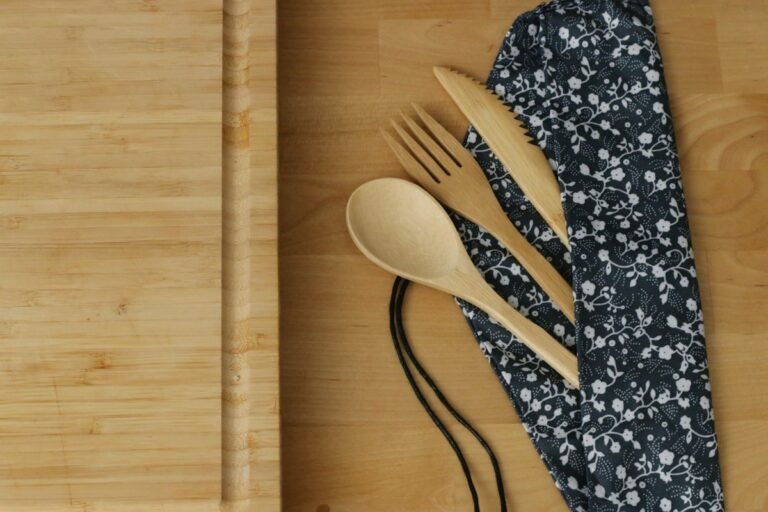
- Reusable Bamboo Utensils: Great for cooking and dining, offering a durable and heat-resistant alternative to synthetic utensils.
Mindful Living Beyond Personal Care: Educational and Plantable Innovations
Living sustainably extends beyond personal grooming; it involves changing how we interact with everyday items and teaching future generations to respect natural resources.
Aegle Sriphal takes eco-conscious product design a step further by offering innovative items like plantable pencils and stationery. These creative products contain embedded seeds at the end of their lifecycle. Once the pencil becomes too short to write with, you simply plant it in garden soil, water it, and watch it grow into herbs, vegetables, or flowers.

This hands-on approach serves as a powerful educational tool for children and adults alike. It flips the concept of trash on its head, demonstrating that products can give back to nature rather than burdening it.
Comparing Eco-Friendly Alternatives vs. Mainstream Products
Making informed choices requires understanding how natural alternatives stack up against traditional consumer goods.
| Feature / Metric | Traditional Synthetic Goods | Aegle Sriphal Sustainable Essentials |
|---|---|---|
| Primary Material | Petroleum-based plastics, synthetic fibers | 100% natural bamboo, jute, and organic materials |
| Decomposition Time | 400 to 1,000 years (breaks into microplastics) | Completely biodegradable within months/years |
| Chemical Exposure | BPA, phthalates, synthetic chemical coatings | Chemical-free, non-toxic, and naturally safe |
| Carbon Footprint | High (fossil fuel extraction & heavy refining) | Low (renewable crops absorbing atmospheric CO₂) |
| End-of-Life Benefit | Fills landfills, damages ocean wildlife | Compostable or plantable into gardens |
Practical Steps to Start Your Zero-Waste Transformation Today
You do not need to discard everything you currently own to live sustainably. True environmental responsibility means using what you have and choosing conscious, natural options when replacements are needed.
- Audit Your Daily Routine: Identify items you replace frequently, such as toothbrushes, razors, scrubbers, and stationery.
- Prioritize Natural Materials: When buying replacements, look for 100% bamboo, jute, or organic cotton alternatives instead of plastic.
- Support Ethical Brands: Choose companies that prioritize zero-waste production, transparent sourcing, and regional environmental advocacy.
- Educate Your Household: Involve family members in sorting waste, planting seed pencils, and understanding why eco-friendly swaps matter.
Practicing sustainable personal care is not about perfection; it is about consistency. Choosing natural items for your home supports sustainable craftspeople, protects ecosystems across South Asia, and keeps harmful pollutants out of your daily routine.
Ready to upgrade your household essentials with beautiful, plastic-free alternatives? Explore Aegle Sriphal’s Full Sustainable Collection Today and take a practical step toward a cleaner, greener tomorrow.