Navigating the Truth Behind Natural Eco Products: A Clear Guide to Standards
Ever bought a toothbrush labeled “100% natural” only to find out it was wrapped in three layers of non-recyclable plastic? You are not alone. The market for eco-friendly goods is booming, but greenwashing is everywhere. Finding genuine natural eco products requires looking past fancy green labels and understanding real material certifications. True sustainability isn’t just a marketing claim; it is a measurable commitment to protecting our planet through responsible sourcing, non-toxic manufacturing, and zero-waste lifecycles.
Whether you are looking for biodegradable homeware or plantable stationery, certifications give you peace of mind. They guarantee that raw materials like bamboo, jute, and cork are harvested ethically without destroying ecosystems. At Aegle Sriphal, we believe in complete transparency across our entire supply chain. If you want to dive deeper into how sustainable choices can transform your daily habits, check out Eco-Transformation: Aegle Sriphal’s Sustainable Product Initiative to discover how raw natural fibers are turned into practical, everyday tools.
Why Certification Labels Matter in Today’s Bioeconomy
Let’s be real for a moment. Anyone can print a green leaf on a cardboard box and call it eco-friendly. Without third-party verification, terms like “organic”, “bio-based”, or “sustainable” don’t mean much. Certifications act as an independent stamp of approval. They ensure that what you buy actually helps the environment instead of secretly harming it.
When independent auditors review a production facility, they look at several crucial factors:
- Resource Harvesting: Is bamboo or timber cut down faster than it can naturally regrow?
- Chemical Treatment: Are harmful toxins, synthetic dyes, or heavy bleaching agents used during processing?
- Waste Management: Does the manufacturing process create landfill waste, or is it zero-waste?
- Social Impact: Are workers paid fair wages and given safe working conditions?
Without these checks, cheap alternatives often rely on chemical binders or plastic resins to keep costs low. That completely ruins their ability to compost naturally.
Key Natural Material Certifications You Should Know
Understanding certification seals can feel like reading alphabet soup. Here is a simple breakdown of the most critical standards to look out for when shopping for plant-based items.

1. Forest Stewardship Council (FSC)
The FSC certification is the gold standard for wood, paper, and cork goods. It ensures materials come from responsibly managed forests that provide environmental, social, and economic benefits.
- FSC 100%: All materials originate from FSC-certified forests.
- FSC Recycled: Everything is made from 100% recycled materials.
- FSC Mix: A combination of FSC-certified wood, recycled material, or controlled wood.
2. Global Organic Textile Standard (GOTS)
If you are buying raw fibers like jute, cotton, or flax, GOTS is the benchmark. It covers the processing, manufacturing, packaging, and trading of organic textiles. To earn this label, products must contain at least 70% certified organic natural fibers and exclude toxic chemicals completely.
3. USDA Biobased / OK biobased
These labels certify the percentage of renewable biological content in a item. Instead of relying on petrochemicals, bio-based items use plant matter, agriculture residues, or algae.
Decoding Bamboo, Jute, and Cork: The Superstars of Zero-Waste Materials
Not all raw ingredients are created equal. Some natural resources grow insanely fast, require zero pesticides, and naturally restore depleted soil.
Bamboo: The Rapidly Renewable Giant
Did you know some species of bamboo can grow up to a metre a day? It requires no chemical fertilisers, consumes minimal water, and releases 35% more oxygen than an equivalent stand of trees.
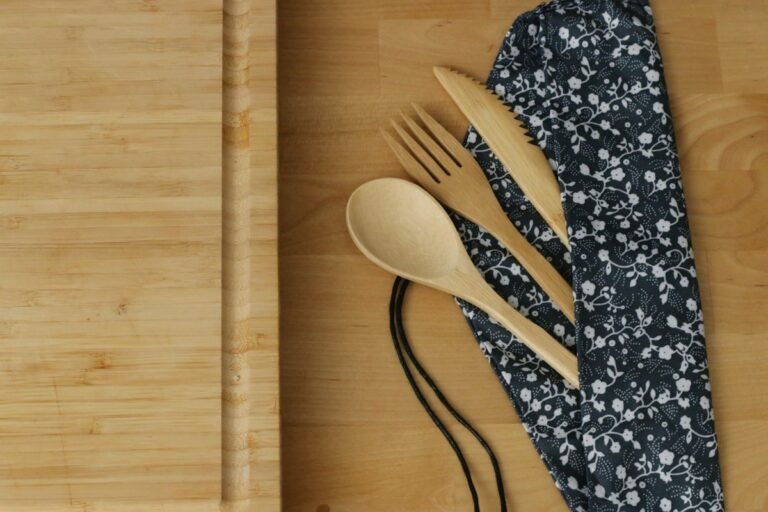
However, processing bamboo matters tremendously. Mechanical processing yields raw, chemical-free bamboo linen and hard durable goods. Chemical processing, on the other hand, can turn bamboo into viscose using harsh solvents. Choosing pure, mechanically crafted bamboo homeware keeps things completely toxic-free.
Jute: The Golden Fibre
Jute is 100% biodegradable and compostable. It absorbs massive amounts of carbon dioxide while enriching the soil it grows in. Farmers often rotate jute with other crops to improve soil health naturally. It is tough, versatile, and ideal for reusable bags and structural decor.
Cork: Nature’s Self-Renewing Shield
Cork is harvested from the outer bark of the Cork Oak tree without cutting down the tree itself. The bark regenerates every nine years, making it an exceptionally sustainable harvest. Even better, harvested cork trees absorb up to five times more carbon dioxide than unharvested ones!
To learn more about incorporating these certified, low-impact materials into your daily routines, explore our range of natural eco products designed specifically to help reduce domestic plastic reliance.
How Aegle Sriphal Redefines Sustainable Manufacturing
Making eco-conscious choices shouldn’t be complicated or overpriced. At Aegle Sriphal, our mission focuses on bringing high-quality, practical sustainability into every household across India and South Asia.
We do not believe in superficial greening. We build items with full lifecycle intentionality:
Plantable Stationery: Closing the Loop
Take our plantable pencils and notebooks, for example. Instead of throwing a stub in the bin when you finish writing, you simply plant it in a pot of soil. The seed capsule embedded at the end sprouts into herbs, flowers, or vegetables. It turns potential waste into fresh green life while teaching kids and adults alike about circular living.
Plastic-Free Homeware
Mainstream home goods are full of synthetic polymers that release microplastics over time. Aegle Sriphal’s bamboo cookware and cork accessories eliminate plastic entirely. They offer sleek, modern functionality while remaining completely safe for your family and the ecosystem.
Comparing Commercial Lodges & Eco Standards: Lessons in Building Green
To understand how material choices scale up, let’s look at eco-certified infrastructure. For example, prominent eco-lodges like the Nature Inn at Bald Eagle demonstrate how structural certification works on a grand scale. They feature FSC-certified timber, rainwater harvesting systems, and recycled non-toxic finishes.
While mega-projects prove that green architecture is viable, personal choices carry equal weight. Equipping your home with certified, natural goods builds the same ecological foundation on an individual level.

Here is how daily consumer swaps stack up against structural green building standards:
| Focus Area | Large-Scale Eco Infrastructure | Daily Personal Eco Choices |
|---|---|---|
| Wood Sourcing | Structural FSC framing & local timber | FSC bamboo utensils & cork coasters |
| Waste Reduction | Diverting construction waste from landfills | Zero-waste plantable pencils & compostable packaging |
| Material Health | Low VOC wall paints & non-toxic sealants | Chemical-free jute tote bags & unbleached natural fibers |
| Resource Mindset | Renewable solar power & rainwater harvesting | Reusable natural alternatives replacing single-use plastic |
Simple Steps to Avoid Greenwashing when Shopping
Want to ensure you are buying legitimate goods? Keep these four quick tips in mind next time you shop:
- Read the Full Material List: Look for 100% single-source materials like pure bamboo or raw jute. Avoid vague terms like “bamboo-infused” which often implies heavy plastic blending.
- Check for Certifications: Look for recognized seals like FSC or GOTS printed directly on the packaging.
- Examine End-of-Life Options: Ask yourself: can this item actually rot naturally in backyard compost, or does it require industrial processing?
- Support Purpose-Driven Brands: Choose companies that actively educate communities and prioritise localized environmental impact.
Making the switch to a conscious lifestyle does not require changing everything overnight. Start small. Replace your plastic stationery with plantable alternatives. Swap synthetic kitchen tools for raw bamboo. Every small decision adds up to massive structural change.
Ready to make a genuine difference with certified, zero-waste items designed for mindful living? Visit Aegle Sriphal’s eco products catalogue today and step into a greener, cleaner tomorrow.