The Environmental Crisis: Why Single-Use Plastic Alternatives Matter Today
Single-use plastics have quietly infiltrated almost every aspect of modern life. We use a plastic bag for ten minutes, throw away a water bottle after a quick drink, and discard disposable cutlery without a second thought. However, these convenience items stick around for centuries, cluttering our waterways, filling up landfills, and leaching harmful microplastics into our natural ecosystems. The sheer scale of global plastic pollution demands a fundamental shift in how we manufacture, consume, and discard everyday goods. Transitioning to sustainable, high-quality single-use plastic alternatives is no longer just a trend for conscious consumers; it is an urgent priority for protecting our planet for generations to come.
Understanding the direct environmental trade-offs between traditional petroleum-based items and plant-based substitutes is essential for making informed decisions. Shift your lifestyle by joining the Eco-Transformation: Aegle Sriphal’s Sustainable Product Initiative to see how everyday objects can naturally enrich our environment instead of damaging it. Brands like Aegle Sriphal are leading this essential movement by offering practical homeware and stationery crafted from natural, renewable resources like bamboo and jute. By substituting harmful disposables with thoughtful plantable stationery and durable natural essentials, both individual consumers and organizations can drastically lower their ecological footprint while actively restoring local ecosystems.
The Hidden Lifecycle Cost of Single-Use Plastics
Have you ever stopped to calculate the true cost of a plastic coffee lid or a synthetic disposable straw? The price tag on the shelf only tells a fraction of the story.
The lifecycle of conventional single-use plastic begins deep underground with fossil fuel extraction. Refining crude oil into synthetic polymers consumes immense energy reserves and releases heavy volumes of carbon dioxide into the atmosphere. Once manufactured, these cheap plastic items travel thousands of miles only to be used for a few minutes.
Here is what happens after you toss them into the bin:
- Endless landfill persistence: Most synthetic plastics take up to 1,000 years to decompose naturally.
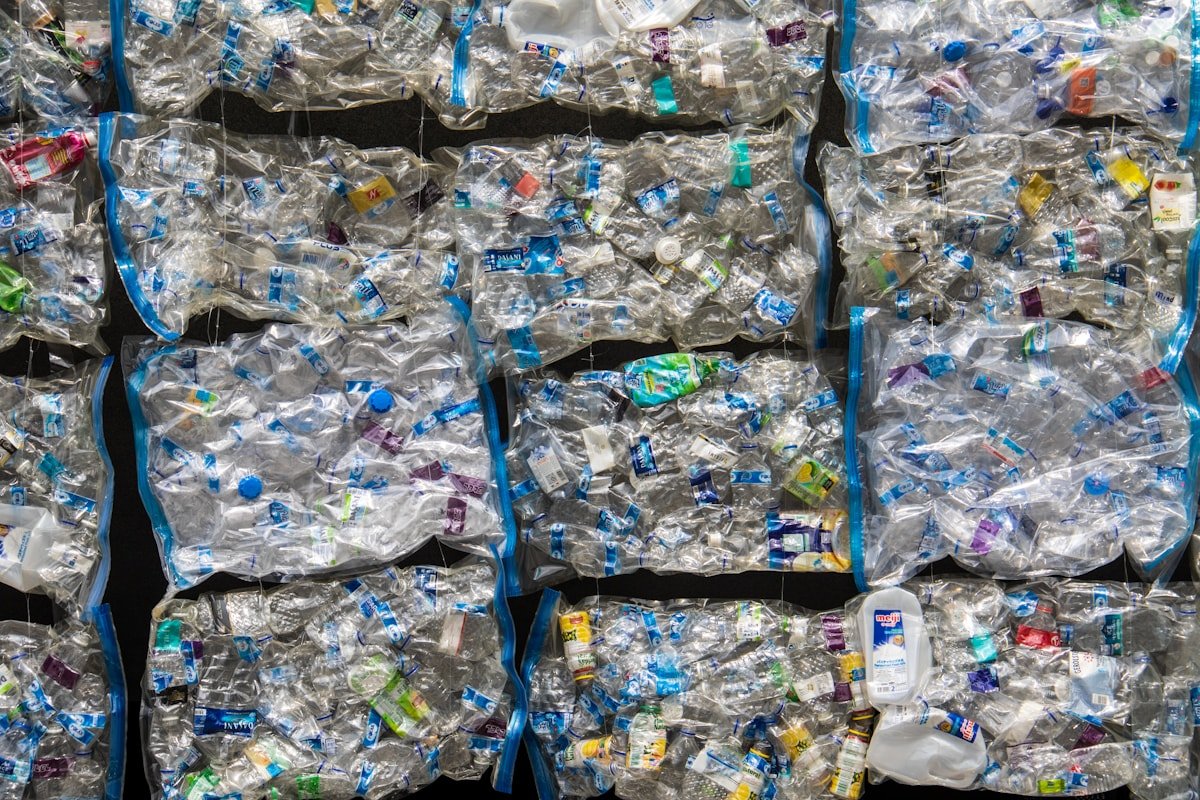
- Severe marine pollution: Over 8 million metric tonnes of plastic enter ocean ecosystems every year, harming fish, birds, and marine mammals.
- Toxic microplastic creation: Plastics do not disappear; they break down into microscopic particles that contaminate drinking water and agricultural soils.
- High methane emissions: Trash trapped in landfills off-gases potent greenhouse gases that accelerate global climate change.
Recycling alone cannot solve this crisis. Global data shows that only a tiny fraction of single-use plastics ever get recycled effectively. The rest ends up polluting waterways, choking wildlife, or burning in incinerators. The math simply does not add up. We need better materials from the start.
Exploring Biodegradable Solutions: Bamboo, Jute, and Plantable Items
So, what does a sustainable substitute look like in daily practice? The answer lies in natural, rapidly renewable materials that work with nature rather than against it.
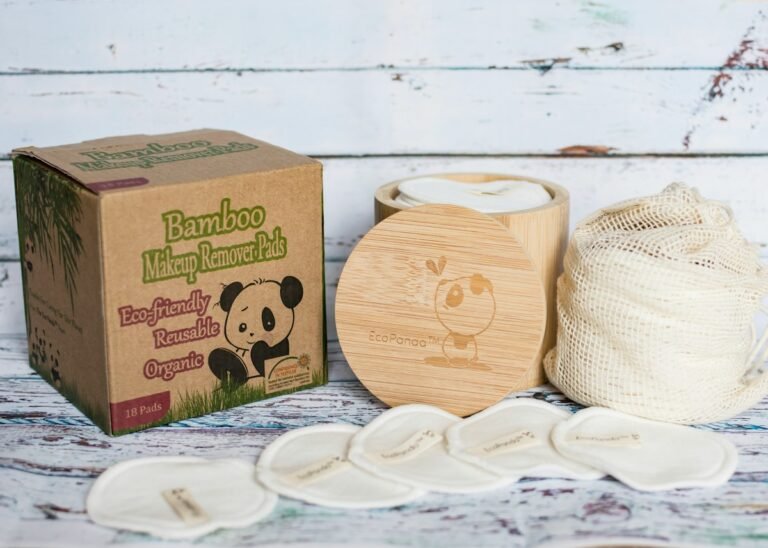
Instead of turning to fossil fuels, eco-friendly manufacturing harnesses plants like bamboo, jute, and seed-embedded paper. These natural fibers require minimal water, zero harsh chemicals, and grow rapidly without depleting the surrounding soil.
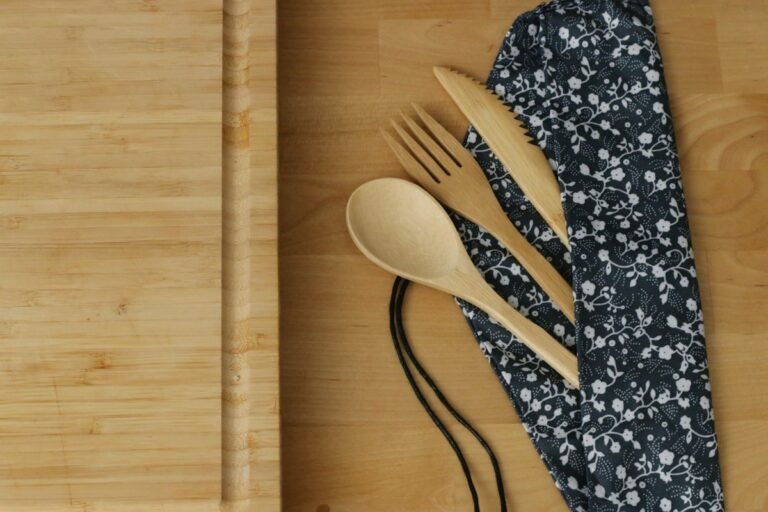
Bamboo Homeware and Kitchenware
Bamboo is one of the fastest-growing plants on Earth. It regenerates naturally after harvesting without needing replanting.
- Durability: Bamboo fibers are incredibly strong, making them ideal for reusable cups, bowls, and cutlery.
- Naturally antimicrobial: Perfect for home and kitchen items.
- Zero plastic residue: At the end of its useful lifespan, pure bamboo biodegrades safely back into organic compost.
Jute Goods and Packaging
Often called the “golden fibre,” jute is exceptionally versatile, tough, and completely biodegradable.
- High breathability: Excellent for grocery bags, tote sacks, and home storage.
- Low environmental footprint: Jute cultivation actually absorbs large amounts of carbon dioxide while improving soil fertility for subsequent crops.
Plantable Stationery: Closing the Loop
Imagine a pencil that grows into a garden after you finish using it. Plantable stationery turns waste into new life. When your plantable pencil gets too short to write with, you simply plant the stub in moist soil. The non-toxic seed capsule at the end dissolves, allowing seeds to germinate into flowers, herbs, or vegetables.
If you are looking for practical ways to swap out synthetic goods, you can Discover natural single-use plastic alternatives with Aegle Sriphal and see how simple daily switches transform your personal sustainability impact.
Comparing Energy, Waste, and Ecological Impact
When evaluating green substitutes against fossil-fuel plastics, analyzing the entire lifespan of the product reveals stark contrasts.
Energy Consumption during Production
Extracting oil, refining polymers, and molding plastic requires high heat and chemical processing. Conversely, growing natural crops like bamboo and jute relies primarily on sunlight and natural rainfall. Manufacturing natural goods uses far less energy and generates fewer harmful greenhouse gas emissions.
Waste Management Realities
When plastic waste enters municipal garbage systems, it sits indefinitely in landfills or spills into rivers. Biodegradable and compostable alternatives break down rapidly through microbial action. Instead of lingering as hazardous rubbish, plant-based materials break down into natural humus, returning valuable organic nutrients to the soil.
Practical Steps for Businesses and Consumers to Transition
Changing long-held consumer habits might seem daunting, but taking small, incremental steps yields massive long-term benefits. Whether you are managing a household or running a small-to-medium enterprise, eliminating plastic requires a clear action plan.
For Households and Individuals
- Audit your weekly bin: Identify the top single-use plastic items you toss out regularly, such as water bottles, shopping bags, or plastic pens.
- Swap pens for plantable pencils: Replace disposable plastic pens with wood-free, seed-embedded pencils that encourage gardening.
- Ditch plastic kitchenware: Switch to durable bamboo cutting boards, utensils, and food containers.
- Carry reusable jute totes: Keep folded jute bags in your car or backpack so you never need a single-use shopping bag.
For Businesses and Organizations
- Green your corporate gifting: Replace cheap plastic promotional trinkets with plantable pencils or bamboo desk accessories that showcase your brand values.
- Audit your supply chain: Partner with regional suppliers who prioritize 100% natural materials and minimal, plastic-free packaging.
- Educate your team: Run workshops and internal awareness campaigns focused on waste reduction and mindful consumption.
Making the Conscious Shift for a Greener Tomorrow
The global push toward environmental responsibility is more than a temporary trend; it is a vital movement toward economic and ecological survival. Mainstream consumer goods have relied on cheap plastic for far too long, placing an unfair burden on our soil, oceans, and wildlife.
Brands like Aegle Sriphal demonstrate that functionality, beauty, and ecological sustainability can exist harmoniously in everyday products. By choosing natural materials like bamboo, jute, and plantable paper, we actively refuse to participate in the wasteful single-use plastic cycle. Every small choice—from the pencil you write with to the tote bag you carry—sends a powerful signal to the market.
Are you ready to take actionable steps toward reducing your environmental footprint? Explore single-use plastic alternatives at Aegle Sriphal today and discover how effortless it is to incorporate beautiful, sustainable solutions into your everyday life.