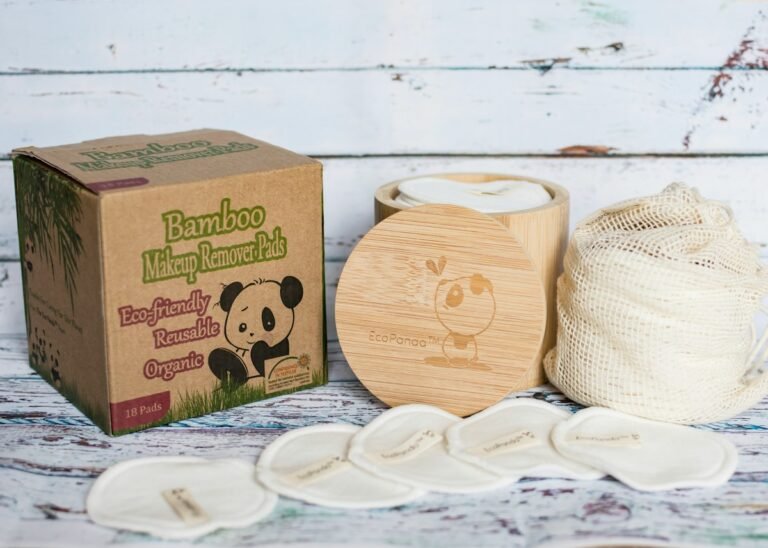
Rethinking Daily Routines: The Rise of Ethical Consumerism
Every single day, millions of plastic toothbrushes, liquid soap containers, and synthetic grooming tools end up in landfills across South Asia. Most of these products take hundreds of years to break down, leaving toxic microplastics behind in our soil and waterways. But your daily routine does not have to cost the Earth. By choosing Sustainable personal care solutions crafted from 100% natural materials, you can significantly shrink your personal carbon footprint without sacrificing quality or performance.
Transitioning toward eco-conscious living is far more than a passing trend. It is a fundamental social and environmental responsibility that directly impacts vulnerable communities disproportionately affected by plastic waste. Aegle Sriphal is leading this vital movement across India and South Asia, offering ethically sourced bamboo homeware, plantable pencils, and biodegradable daily essentials. In this guide, we explore how switching to sustainable daily items helps protect our ecosystems, support local supply chains, and build a greener future for everyone.
The Hidden Cost of Conventional Personal Care
Have you ever looked closely at the plastic waste in your bathroom cabinet? From disposable razors to synthetic combs and plastic packaging, traditional personal care relies heavily on single-use petrochemicals.
The environmental fallout is massive:
- Plastic accumulation: Billions of plastic items end up in coastal communities and oceans every year.
- Chemical pollution: Synthetic ingredients and non-recyclable containers leach harmful elements into local water networks.
- Resource depletion: Creating virgin plastic requires fossil fuel extraction, driving higher carbon emissions.
Marginalised communities often bear the brunt of this environmental degradation. Waste dumps and manufacturing plants are frequently placed near vulnerable populations, exposing them to health hazards and polluted water sources. True environmental justice requires us to address both the physical trash and the human cost behind product manufacturing.
Sustainable Personal Care: Natural Materials Making a Difference
What makes a product genuinely sustainable? It starts with raw materials. Instead of depending on petroleum-based plastics, forward-thinking brands use fast-growing, renewable resources like organic bamboo and jute.
“The true cost of a product includes its final journey. If it cannot return safely to nature, it is time to rethink its design.”
Why Bamboo and Jute Stand Out
Bamboo is one of the fastest-growing plants on Earth. It requires no chemical fertilisers, thrives on natural rainfall, and absorbs substantial amounts of carbon dioxide. Jute, another staple natural fibre across South Asia, offers incredible strength and full biodegradability.
Here is a quick comparison of material impacts:
| Feature | Single-Use Plastics | Bamboo & Jute Alternatives |
|---|---|---|
| Biodegradability | Takes 400+ years | Completely breaks down naturally |
| Carbon Footprint | Extremely high (fossil fuels) | Carbon-negative growth cycle |
| Community Impact | Pollutes local environments | Supports fair-trade farming jobs |
| Resource Renewal | Non-renewable resource | Harvestable in short cycles |
When you replace plastic tools with bamboo homeware and ethical alternatives, you cut down single-use waste right at the source.
Human Rights, Fair Sourcing, and Social Justice
Creating sustainable personal care products is about more than just avoiding plastic. It is about how those products are sourced and made.
In the global cosmetics and personal care sector, raw material harvesting frequently involves high-risk supply chains. Issues like forced labour, hazardous working conditions, and unfair compensation are widespread when supply chains lack oversight.
Building Ethical Supply Chains
Ethical consumerism demands transparency. Aegle Sriphal prioritises fair labour practices, worker health, and safe manufacturing standard across all production facilities.
Key priorities for ethical sourcing include:
- Fair Wages: Ensuring artisans and farm workers receive living wages.
- Safe Working Environments: Protecting workers from dangerous chemicals and harsh conditions.
- Resource Stewardship: Preventing soil degradation and deforestation during harvesting.
- Community Empowerment: Investing in local education and regional infrastructure.
When you invest in sustainable personal care options for a healthier home, you back a production model that respects both workers and natural ecosystems.
Practical Steps to Green Your Daily Routine
Ready to transform your daily routine into a zero-waste habit? You do not need to throw out everything in your house overnight. Instead, make intentional swaps as your current products wear out.
1. Upgrade Your Bathroom Essentials
Swap your plastic toothbrush for a biodegradable bamboo brush. Switch from liquid body washes in plastic bottles to natural bar soaps wrapped in compostable paper or jute packaging.
2. Choose Multi-Functional, Plantable Products
Look for innovative designs that extend a product’s life. Aegle Sriphal offers plantable pencils embedded with native seeds. Once the pencil becomes too short to write with, simply plant it in soil and watch fresh herbs or flowers grow. It is a simple, tactile way to teach kids and family members about circular sustainability.
3. Support Local and Regional Brands
Shipping products across oceans burns vast amounts of fuel. By picking brands operating within South Asia, you reduce transport emissions while strengthening regional green economies.
4. Ditch Synthetic Packaging
Opt for refillable containers or simple natural paper wrappings. Minimising packaging waste is one of the quickest ways to keep trash out of local landfills.
Educating Communities and Driving Grassroots Change
Individual consumer actions are powerful, but long-term environmental protection requires broader community engagement.
Educational initiatives in schools, universities, and corporate offices help individuals understand the lifecycle of everyday goods. When people see how single-use items impact regional ecosystems, making the switch to green alternatives becomes second nature.
Through targeted workshops, school programs, and digital campaigns across South Asia, Aegle Sriphal actively promotes environmental education. Teaching hands-on sustainability helps communities take ownership of their local environment, leading to cleaner streets and healthier living spaces.
Making the Switch Today for a Cleaner Tomorrow
Every positive change begins with a single conscious decision. By choosing natural materials like bamboo and jute over cheap plastics, you actively support ethical supply chains and clean up your daily living habits.
Sustainable personal care is not an all-or-nothing proposition. It is about making consistent, thoughtful choices every single day. Whether you start by swapping out a plastic comb, bringing home plantable stationery, or switching to bamboo homeware, your choices help drive a much needed shift toward environmental justice.
Take your next step toward an eco-friendly lifestyle today. Explore our collection of 100% natural, ethically crafted daily essentials and learn how easy it is to protect the planet. Discover how you can participate in this vital movement by exploring sustainable personal care products designed for eco-friendly living.