Escaping the Grid Without Trashing the Planet
Heading out into the wild sounds poetic until you look down at your pack and realise it is ninety percent petroleum. Synthetic ripstop, plastic cutlery, single-use wipes, and heavy-duty plastic storage boxes dominate modern trail life. Most conventional off-grid gear promises rugged performance, but it leaves behind a trail of non-biodegradable waste. Finding genuine sustainable lifestyle essentials that survive real weather without costing the Earth should not feel like an impossible quest. It is completely possible to thrive off the beaten track whilst honouring the natural world around you.
When you strip away city amenities, your relationship with everyday objects changes fast. You need gear that holds up, cleans easily, and will not sit in a landfill for four centuries after its final trip. Aegle Sriphal approaches this challenge by returning to the fundamentals: replacing disposable synthetic items with robust, earth-first materials like bamboo and jute. Whether you are building an off-grid cabin kit or packing light for weekend camping, embracing sustainable lifestyle essentials from Aegle Sriphal’s eco-transformation initiative proves that functional outdoor equipment can be kind to the planet, beautifully tactile, and completely plastic-free.
The Off-Grid Paradox: Rugged Gear Versus Real Sustainability
Mainstream overland gear lists often look like an advert for industrial plastics. Traditional outdoor media will tell you to buy heavy composite storage boxes, battery-powered heated pads made from virgin synthetics, and ultra-tough petrochemical shells. While these products are tough, they present a huge paradox. We venture into wild spaces to connect with nature, yet we surround ourselves with materials that actively harm it during production and disposal.
Consider everyday outdoor kit:
* Synthetic camp tableware: Melamine and cheap plastic plates chip, scratch, and shed microplastics directly into your food and campsite soil.
* Storage and organisation: Bulky plastic tubs crack under heavy sunlight and end up discarded after a season or two of rough use.
* Personal care items: Travel toothbrushes, synthetic travel towels, and plastic soap containers generate endless micro-waste in delicate backcountry streams.
* Throwaway stationery: Quick trail notes, route sketches, and logbooks often rely on cheap plastic pens that dry out and get tossed aside.
Switching to conscious living outdoors does not mean sacrificing durability. It means choosing items crafted with renewable raw materials that biodegrade safely at the end of their usable life cycle.
Why Bamboo and Jute Belong on the Trail
Natural fibres have sustained human journeys for thousands of years. Modern engineering has only made them better. When evaluating off-grid supplies, two materials consistently outperform synthetic rivals in sheer environmental balance: bamboo and jute.
The Untapped Strength of Bamboo
Bamboo is not technically wood; it is a fast-growing grass. It reaches full maturity in just three to five years without requiring synthetic fertilisers or massive irrigation. In an outdoor context, bamboo delivers exceptional tensile strength. It handles blunt impacts, resists water absorption naturally, and offers mild antibacterial properties. That makes bamboo homeware and camp gear ideal for cooking, eating, and personal care far from clean running taps.
The Durability of Natural Jute
Jute is another renewable powerhouse. Often dubbed the golden fibre, jute grows rapidly during monsoon seasons and enriches the soil it inhabits. For trail organisation, jute bags and gear wraps beat petroleum-based dry sacks on breathability and rough abrasion resistance. Unlike thin nylon bags that tear against sharp rocks or melt near campfires, woven jute fabric withstands serious rough-and-tumble handling.
Packing Conscious Gear: Sustainable Lifestyle Essentials in Action
Planning an off-grid escape requires rethinking what enters your rucksack. Instead of reaching for synthetic duplicates of household conveniences, consider how natural materials simplify your setup.
1. Zero-Waste Camp Kitchens
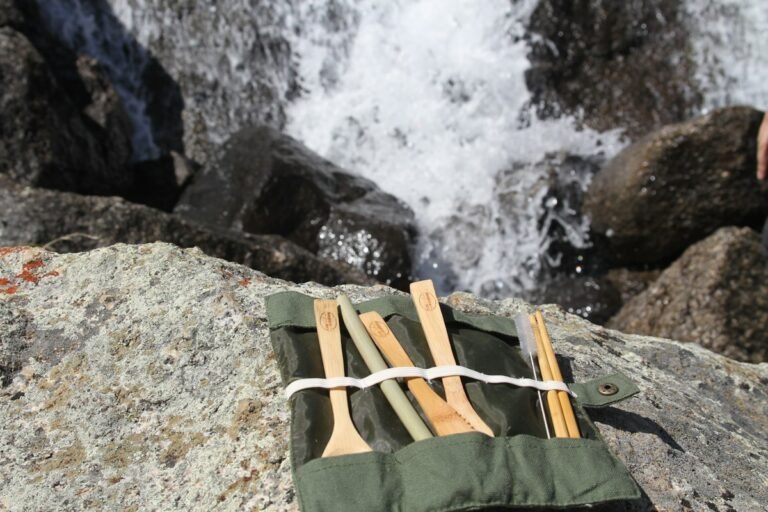
Camp cooking should feel grounded. Instead of packing flimsy plastic spatulas that warp over a camp stove, pack lightweight bamboo cutlery and cooking paddles. Bamboo does not conduct intense heat like aluminium, nor does it leach toxic chemicals into boiling stews. It wipes down with minimal water, making it a dream for arid environments where every drop counts.
2. Mindful Field Notes and Navigation Logs
Keeping an off-grid journal, route log, or wildlife tracker is standard practice for field adventurers. Ditch plastic-cased pens that stop working in the cold. Aegle Sriphal champions educational, low-impact field tools like plantable pencils. Once you use them down to the stub, you do not toss them into a bin. You plant them. They sprout herbs or flowers, turning your spent trail gear into a living contribution to local greenery.
By stocking your expedition kit with durable sustainable lifestyle essentials designed for conscious living, you cut down on waste before you even step foot outside your front door.
Mainstream Camp Supplies Versus Natural Alternatives
Many popular off-grid guides praise heavy composite gear trunks or multi-layered synthetic fabrics. Let us break down how natural materials actually stack up against typical high-end expedition gear when you are living off-grid.
Heavy Plastic Organisers Versus Woven Jute
Plastic crates like the famous expedition boxes advertised in 4×4 magazines certainly keep out dust, but they are heavy, rigid, and take up fixed volume whether full or empty. Woven jute bags adapt to awkward vehicle spaces. They breathe, which prevents mould from ruining damp clothes or dry food rations stored in humid climates. When a jute sack eventually wears out, it composts straight into rich soil instead of lingering in a rubbish tip for centuries.
Coated Petrochemical Fabrics Versus Breathable Plant Fibres
Insulated jackets, synthetic camp blankets, and plastic-coated tarps often rely on complex chemical coatings that shed toxic particles when washed or weathered. Plant-based accessories and natural textiles offer unmatched breathability, reduce static buildup around dry campsites, and create a warmer, more tactile camp environment.
Practical Steps to Build an Off-Grid Eco Kit
You do not need to replace all your existing gear overnight. True sustainability starts by keeping what works and replacing worn-out kit with natural alternatives. Here is a sensible checklist for assembling your eco-friendly off-grid kit:
- Audit your current pack: Lay everything out on your floor. Separate items into long-term durable goods and short-term throwaways. Target the throwaways first.
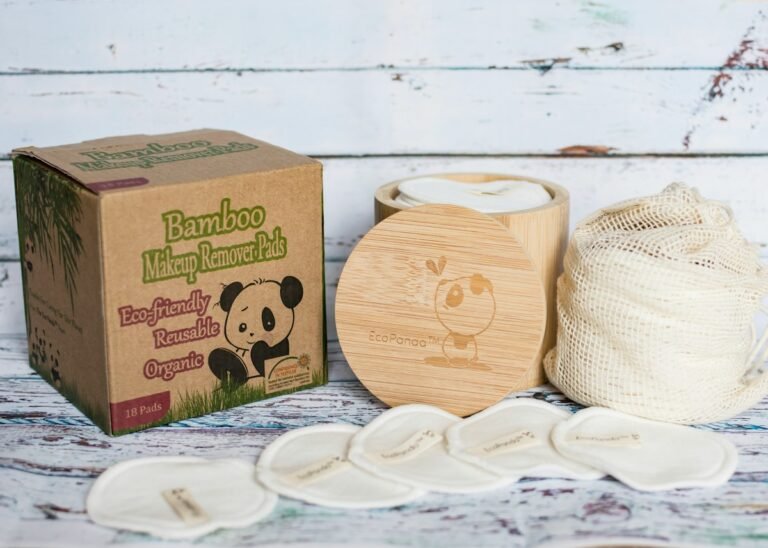
- Switch your personal care: Trade plastic toothbrushes and synthetic loofahs for raw bamboo brushes and natural fibre scrubbers.
- Upgrade your camp dining: Replace cheap travel sets with durable bamboo bowls, cups, and utensils.
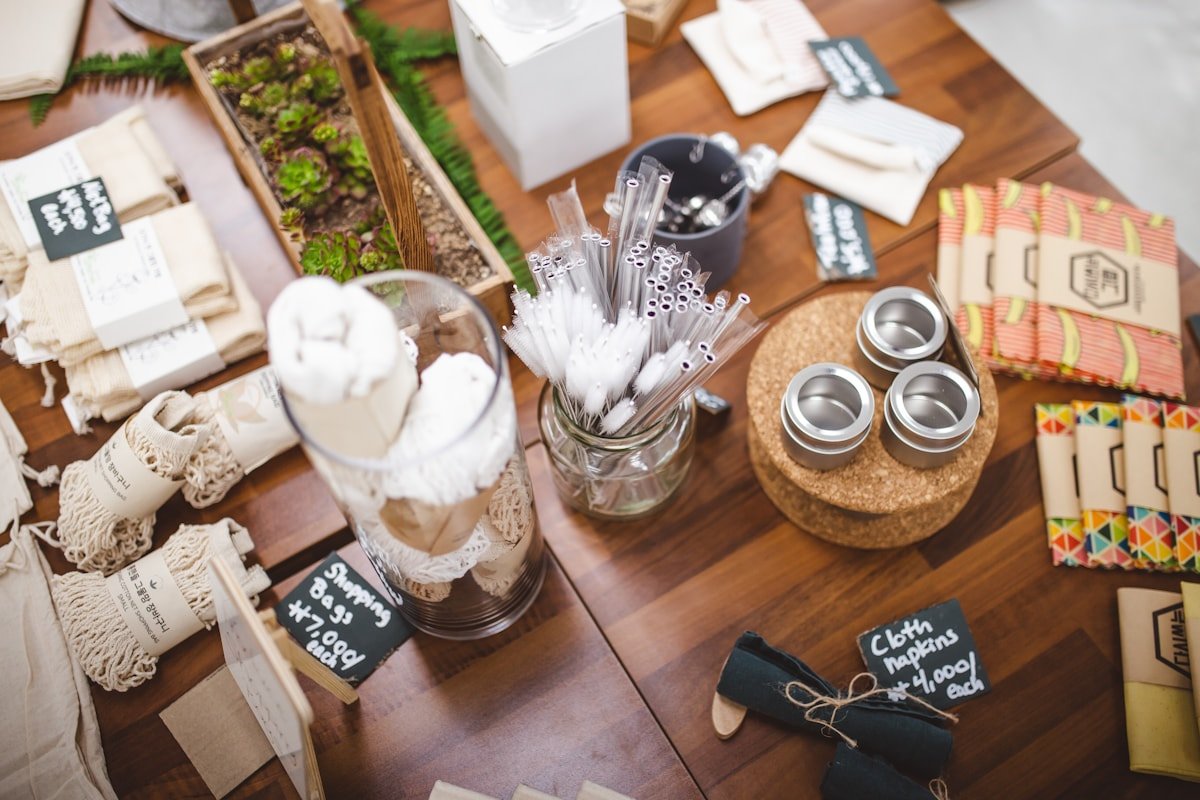
- Organise with breathable sacks: Use jute bags of various sizes to separate dry food, clean clothes, kindling, and camp tools.
- Choose plantable stationery: Keep track of weather patterns and trails using plantable pencils and recycled notebooks.
- Pack out everything: Practise strict zero-trace principles. Even biodegradable scraps should be composted properly, not tossed carelessly by the trailside.
The Bigger Picture: Empowering Mindful Living
Adopting eco-friendly habits on the trail inevitably filters into ordinary life. Aegle Sriphal focuses on this exact transition. By handcrafting products from 100% natural materials and using low-impact manufacturing techniques, they bridge the gap between outdoor adventures and mindful home routines. Sustainability is not a weekend hobby; it is a daily discipline that values resources, respects craftsmanship, and minimises environmental damage.
Choosing better gear sends a direct message to the wider market. It proves that consumers care more about the long-term health of our ecosystems than flashy, synthetic gadgets that look rugged on camera but harm the wilderness behind the scenes.
If you are ready to ditch plastic-heavy trail habits and step into nature with genuine peace of mind, invest in high-quality sustainable lifestyle essentials from Aegle Sriphal and lead the way toward a cleaner, greener tomorrow.