Why Everyday Swaps Matter More Than Grand Gestures
Look around your desk or kitchen counter right now. How many single-use plastic pens, synthetic coffee lids, or cheap notebooks wrapped in glossy film can you spot? Most of us do not wake up intending to clutter the planet with non-biodegradable waste. It just creeps into our daily routines because convenience usually wins. Yet, creating a meaningful, earth-aligned routine does not require moving to an off-grid cabin in the woods. By choosing thoughtful sustainable lifestyle essentials, you can radically cut down everyday rubbish while keeping your modern day-to-day rhythm completely intact. Real change happens when your daily tools match your environmental values.
Switching to ethical alternatives is about intention, tactile beauty, and practical utility. When you pick up everyday goods made from natural fibres, you cast a vote for clean production methods and fair sourcing. Instead of settling for flimsy petroleum plastics that take centuries to break down, conscious makers are showing that renewable raw materials deliver incredible durability and aesthetic charm. If you are ready to rethink your daily kit and embrace conscious living, exploring the Eco-Transformation: Aegle Sriphal’s Sustainable Product Initiative provides a straightforward path to ditching throwaway culture for good.
Rethinking Nature Connection: Beyond Passive Escapes
Platforms like Rooted in Nature in the Netherlands champion an inspiring concept: reconnecting directly with the natural world to restore mental balance, reduce stress, and heal our sense of well-being. Forest bathing, nature walks, and outdoor mindfulness retreats remind us that humans belong outdoors. Taking time out to sit under a woodland canopy or stroll through a wild meadow does wonders for the nervous system.
There is an obvious limitation with relying solely on nature escapes. What happens on Monday morning when you return to a crowded flat, a hectic office, or a long commute?
A quick walk in the woods cannot solve the mountains of urban rubbish piling up in our cities. Healing your personal connection with nature is only half the battle. The other half involves making sure your everyday physical consumption stops harming nature in the first place. You cannot spend your Sunday advocating for pristine ecosystems and then spend the rest of your week filling landfill bins with throwaway plastic cutlery and synthetic stationery.
Bridging this gap requires bringing nature directly into your daily routines. When you touch, use, and carry items crafted from the earth, you keep that grounded feeling alive at your desk or dining table.
The Power of Raw Materials: Bamboo, Jute, and Cork
Choosing sustainable alternatives comes down to understanding raw materials. Not all green products are created equal. Some items hide behind clever marketing while still relying on toxic resins or heavy transport miles. Genuine sustainability relies on regenerative fibres that replenish quickly without chemical fertilisers or heavy irrigation.
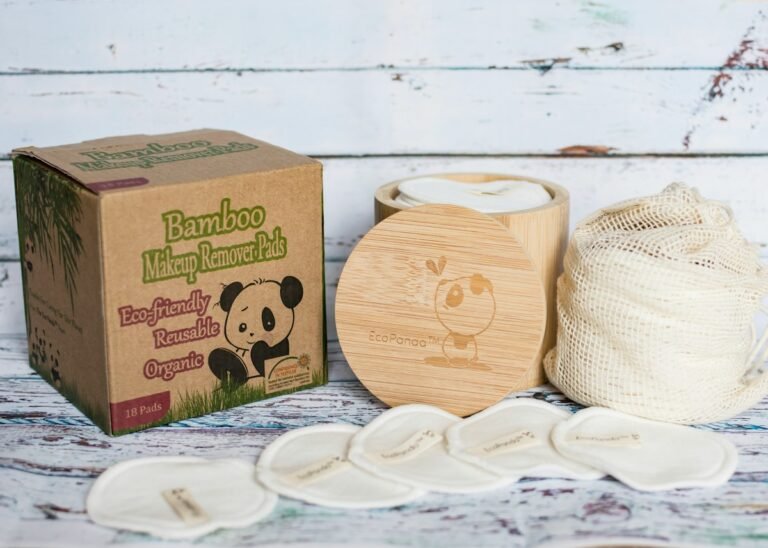
- Bamboo: One of the fastest-growing plants on earth. It requires no pesticides, absorbs large amounts of carbon dioxide, and generates strong, naturally antibacterial fibres. From kitchen boards to desktop organisers, bamboo offers rock-solid longevity.
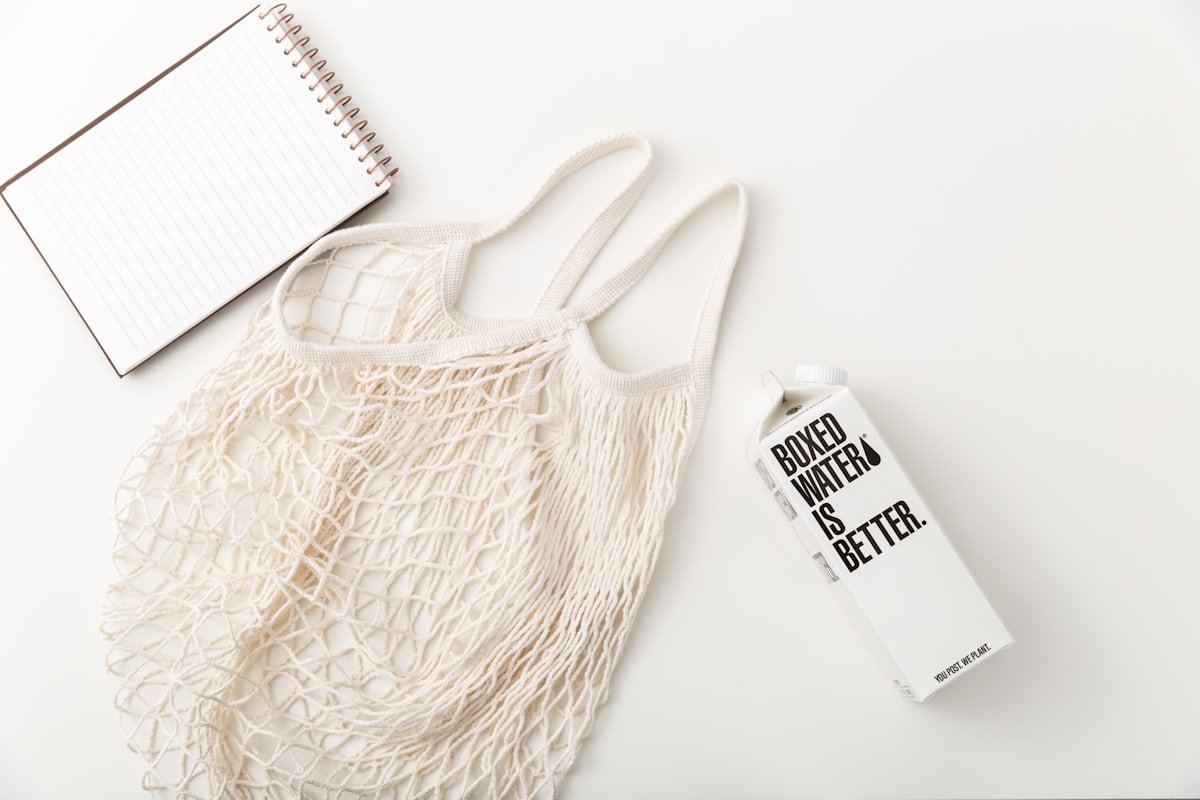
- Jute: Known as the “golden fibre”, jute is completely biodegradable and recyclable. It enriches the soil it grows in rather than depleting it. It makes durable, breathable carry bags and textile accessories that outlast synthetic nylon alternatives.
- Natural Cork: Harvested simply by stripping the outer bark of cork oak trees without cutting the tree down. The tree continues living, absorbing even more carbon as it regenerates its bark over the following decade. It is lightweight, water-resistant, and silky smooth to touch.
By focusing on these raw materials, you keep petroleum out of the manufacturing cycle. You also ensure that when the product reaches the end of its long life, it degrades harmlessly back into the soil instead of lingering as toxic microplastics.
Building Your Daily Mindful Toolkit
Transforming your home and workspace into an eco-conscious space does not mean throwing everything into the bin today. Use what you have until it wears out. When an item reaches the end of its useful lifespan, replace it with an intentional upgrade designed to last.
Mindful Workspaces and Stationery
Most offices generate an astonishing volume of throwaway plastic. Consider the standard ballpoint pen: cheap, disposable, and destined for an incinerator within weeks.
Swapping conventional desktop supplies for plantable pencils, notebooks crafted from recycled paper, and desk organisers made from untreated bamboo turns a mundane workspace into an intentional study. Plantable pencils, for example, turn waste into life. Once the pencil becomes a stub too short to hold, you stick the end into a pot of soil. The seed capsule dissolves, watering triggers germination, and soon you have fresh herbs or flowers growing on your windowsill. That is how simple everyday actions become genuine educational experiences.
Finding reliable, thoughtfully designed sustainable lifestyle essentials crafted from renewable bamboo and jute can transform your desk into an eco-friendly sanctuary that keeps you inspired throughout the workday.
Mindful Kitchen and On-the-Go Habits
Grabbing a morning coffee or a quick lunch on the run is where single-use habits thrive. Plastic-lined takeaway cups cannot easily be recycled because separating the thin plastic film from the paper pulp is costly and complex.
Carrying a natural cork-insulated travel mug keeps your beverage warm while offering a tactile, slip-free grip. Cork feels warm and organic in your hands, distinct from sterile stainless steel or cheap acrylic. Pair it with reusable bamboo utensils and a sturdy jute tote bag, and you will navigate workdays, grocery runs, and weekend markets without taking home a single piece of single-use packaging.
Addressing Regional Realities: Practical Sustainability
It is easy for eco-friendly lifestyle guides to assume every reader has access to expensive zero-waste bulk stores or doorstep compost schemes. In many parts of the world, particularly across rapidly urbanising areas in India and South Asia, local waste management infrastructure faces massive strain.
High-tech recycling systems often take a back seat to sheer volume. In these environments, individual consumer choices matter even more. Opting for plant-based goods like bamboo homeware and raw jute carriers tackles pollution at the absolute source. Because these materials are deeply woven into traditional craft heritage across the region, supporting them also revitalises rural artisanal communities and keeps local production loops humming.
Sustainability should never feel like an exclusive luxury. When designed properly, earth-friendly goods are durable, cost-effective over time, and grounded in regional traditions of resourcefulness.
Practical Steps to Cultivate Conscious Living
Adopting an eco-friendly mindset is a marathon, not a sprint. Trying to overhaul every single corner of your home overnight leads straight to burnout and unnecessary spending.
Here is a straightforward, low-friction plan to establish your routine:
- Audit your weekly bin: Take a genuine look at what you throw away the most. Is it takeaway coffee cups? Flimsy produce bags? Plastic pens? Target the single biggest culprit first.
- Prioritise natural fibres: When purchasing replacement items, look at the material label. Choose untreated bamboo, unbleached jute, organic cotton, and natural cork over synthetic composites.
- Carry a basic survival kit: Keep a reusable canvas or jute tote, a light bamboo utensil set, and your personal travel mug packed inside your day bag. Having them on hand stops spontaneous single-use trash in its tracks.
- Learn how to discard: Know where your items end up. Ensure your organic paper and plantable items go directly into rich compost or garden soil rather than plastic waste sacks where they cannot degrade properly.
Every small swap removes pressure from strained landfills and cuts down industrial demand for fossil fuel-based polymers. It is about steady consistency rather than impossible perfection.
Small Swaps, Lasting Environmental Transformation
Living mindfully does not mean depriving yourself of comfort, style, or modern convenience. It simply asks you to pause and evaluate the real cost of the items you handle every day. When your mugs, journals, bags, and daily tools come directly from the earth, you experience an authentic connection to nature that survives far beyond a brief weekend escape.
By demanding natural, renewable materials, you help steer the wider market toward responsible production and regenerative design. Begin with one intentional choice today. Explore the inspiring collection of sustainable lifestyle essentials designed for conscious living and take your next confident step toward an enduring, zero-waste future.