The Shift to Slow Living: Everyday Sustainable Lifestyle Essentials
Have you ever looked around your living room or kitchen and felt slightly overwhelmed by the sheer volume of plastic? You are not alone. Most of us pick up everyday items out of convenience without thinking about where they end up once we bin them. Yet, shifting towards a slower, cleaner way of being does not mean you have to pack your bags and move to a remote island retreat. Real change happens right at home, in the small, deliberate swaps you make every morning. Embracing sustainable lifestyle essentials from Aegle Sriphal allows you to strip away synthetic clutter and bring functional, earth-friendly materials into your daily routine without sacrificing style or comfort.
Living sustainably is simply about slowing down enough to pay attention. When you choose items crafted from renewable resources rather than petrochemicals, you reduce waste while creating a calmer domestic atmosphere. Throughout India and South Asia, households are rediscovering traditional, biodegradable fibres that blend old-school wisdom with modern design. This guide explores how practical, nature-first swaps can transform your space into a genuine eco-conscious home.
Why Modern Homes Need to Rethink Daily Materials
Take a quick audit of your desk, bathroom counter, and pantry. What do you see? Cheap plastic pens, synthetic organisers, and disposable containers dominate modern retail shelves. These items are mass-produced with zero regard for their afterlife, ending up in overflowing landfills or polluting waterways across South Asia.
The trouble with conventional convenience is that it creates an invisible trail of ecological damage. When we rely on synthetic goods, we trap ourselves in a cycle of buying, discarding, and replacing low-grade items.
Choosing natural fibres breaks that loop entirely:
- Renewability: Crops like bamboo and jute mature rapidly without intensive chemical inputs or heavy irrigation.
- Biodegradability: At the end of their useful lifespans, organic plant fibres break down into the soil naturally without leaching microplastics into our groundwater.
- Durability: High-grade natural homeware resists daily wear and tear far better than brittle plastics.
- Aesthetic warmth: Organic textures introduce calming, earthy tones that make a living space feel grounded and intentional.
When you switch to natural materials, you vote for circular design and cleaner production systems.
The Power of Jute: South Asia’s Golden Fibre
Jute is often called the “golden fibre,” and for good reason. It has been a cornerstone of South Asian agricultural heritage for centuries. Unlike synthetic alternatives such as nylon or polyester, jute absorbs carbon dioxide rapidly and enriches the soil it grows in.
Bringing Jute into Daily Routines
How does jute fit into a contemporary flat or house? Consider everyday utility:
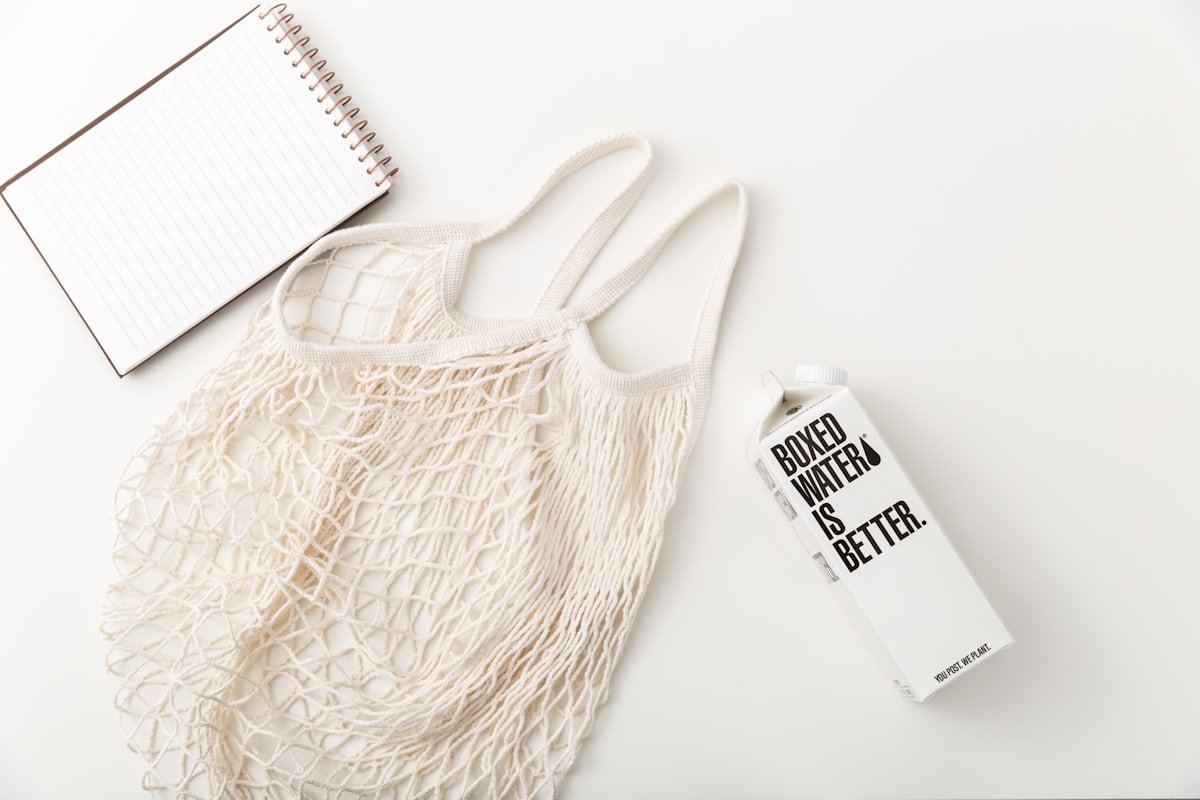
- Shopping and Storage: Ditch the thin poly bags. Jute totes can carry heavy groceries, books, and laundry without tearing.
- Home Organisation: Woven jute baskets offer a tidy, breathable place to stash blankets, children’s toys, or workspace cables.
- Floor Coverings and Tableware: Coarse-woven runners and place mats protect surfaces while bringing an authentic, tactile finish to your dining area.
By relying on regional crops like jute, we also support domestic farming communities, making your home decor socially and environmentally beneficial.
Bamboo: The Everyday Workhorse of the Green Home
If jute is the foundation of soft storage, bamboo is the ultimate renewable building block for daily utensils and functional accents. Technically a fast-growing grass, bamboo can shoot up over a foot in twenty-four hours without synthetic fertilisers.
Versatile Bamboo Homeware
Because bamboo possesses natural antimicrobial properties and solid structural strength, it works brilliantly throughout the house:
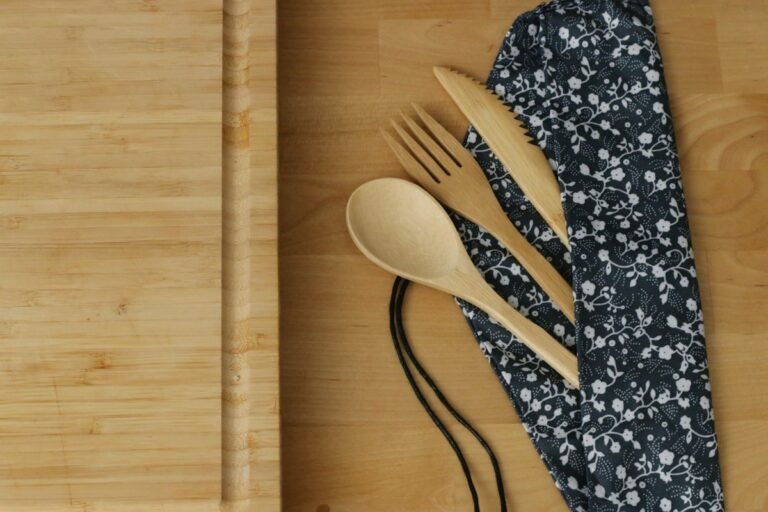
- Kitchenware: Bamboo chopping boards, spatulas, and salad bowls resist moisture damage and avoid dulling your knives.
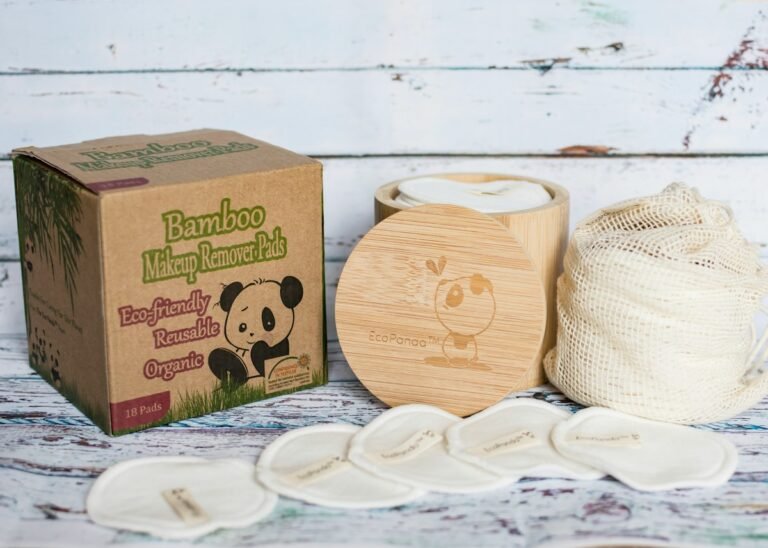
- Bathroom Essentials: Toothbrushes, soap dishes, and combs made of bamboo eliminate single-use plastics from your morning wash routine.
- Workspaces: Sturdy bamboo desk tidies and document trays keep your home office streamlined, warm, and plastic-free.
Making smart choices about the items you interact with all day is the easiest way to weave sustainability into your life. To see how functional design pairs with ethical manufacturing, explore Aegle Sriphal’s sustainable product initiative and begin rethinking your household setups.
Small Habits, Huge Impact: Simple Swaps for Every Room
Transitioning to a greener lifestyle is not an all-or-nothing proposition. In fact, trying to throw away every piece of plastic you own all at once creates unnecessary waste. The secret lies in gradual, sensible replacements.
1. The Home Office: Stationery That Grows
Think about how many ballpoint pens you have lost or discarded over the past few years. They are virtually impossible to recycle. Instead, opt for creative alternatives like plantable pencils. Once the pencil becomes a stub, you simply plant it in a pot of soil, water it, and watch herbs or flowers sprout. It turns waste management into an enjoyable learning moment for both adults and children.
2. The Kitchen and Pantry
Swap out petrochemical kitchen sponges for tough, biodegradable jute scrubbers. Store dry lentils, grains, and spices in reusable glass jars or breathable fabric bags rather than thin plastic packaging.
3. Personal Care
Bathrooms generate an astonishing amount of single-use debris. Moving to solid shampoo bars, bamboo toothbrushes, and safety razors immediately eliminates dozens of empty bottles and disposable plastic heads from your yearly rubbish bin.
Inspiring the Next Generation: Education Through Everyday Objects
A vital component of long-term environmental protection is education. We cannot expect communities to change their habits overnight without understanding the real ecological cost of their purchases.
When you introduce plantable products and natural homeware to your household, you create immediate conversation starters. Children learn where materials come from, how plants grow, and why throwing things “away” is an illusion; there is no real “away” on a finite planet.
Partnering with Schools and Communities
Across India and South Asia, grassroots workshops, school programmes, and local community initiatives are proving that sustainability can be practical rather than theoretical. When schools switch from conventional rewards to plantable pencils and recycled notebooks, students build an active, hands-on relationship with conservation from an early age.
Designing a Mindful Home That Lasts
Building an eco-conscious home is not about chasing trendy minimalist aesthetics for social media. It is about quiet, persistent care for your living environment and the world beyond your doorstep.
Take things at your own speed. Celebrate each small win, whether that means finally carrying your own jute bag to the local market or swapping out plastic bathroom goods for natural timber and bamboo. When we collectively demand better materials and support conscious regional production, we protect our local ecosystems and secure cleaner air and water for future generations.
If you are ready to begin your home’s eco-transformation, browse the complete range of sustainable lifestyle essentials designed for conscious living and discover how effortless everyday sustainability can be.