Why Ancient Wisdom Meets Daily Modern Living
Ever feel overwhelmed by the sheer mountain of plastic entering your home every single week? You pick up groceries, unpack personal care bottles, unwrap household goods, and suddenly your dustbin is overflowing with petroleum-based junk that outlives us all. Modern living sold us convenience, but it quietly robbed us of our connection to nature. The antidote is surprisingly straightforward: merging ancient regional wellness principles with low-impact everyday habits. When we embrace authentic daily practices, choosing thoughtful Sustainable lifestyle essentials from Aegle Sriphal’s eco-initiative becomes the most natural, rewarding step toward genuine balance.
Holistic wellness is not about expensive spa retreats or complicated routines that you abandon after four days. It is about the physical objects you handle every morning, the materials resting on your kitchen counter, and the mindfulness you bring to ordinary moments. Across India and South Asia, traditional living was inherently circular long before “zero waste” became an internet trend. By stepping away from disposable culture and returning to renewable materials like bamboo, cork, and jute, you protect your personal wellbeing while actively healing the planet.
The Problem with Modern Convenience Goods
Look around your living space. What do you see?
Plastic toothbrushes that take five centuries to decompose. Synthetic kitchen sponges harbouring bacteria. Disposable plastic pens tossed into desk drawers only to end up in local waterways.
Mainstream consumer goods prioritise quick production margins over longevity and ecological safety. These items shed microplastics directly into our domestic spaces, leach synthetic chemicals into our water supplies, and create an unmanageable disposal crisis across South Asian cities and towns.
When you break down the life cycle of common items:
* Raw petroleum gets extracted and refined using energy-intensive operations.
* Goods are manufactured with artificial additives, dyes, and chemical sealants.
* They travel hundreds of kilometres in disposable wrappings.
* You use them for a few days or weeks.
* They sit in a regional landfill or clog waterways for generations.
It is an exhausting cycle. More importantly, it directly contradicts the principles of personal health. How can we nourish our bodies with good food and mindful routines if every tool we use is steeped in industrial waste?
Merging Ancient Traditions with Low-Impact Living
Holistic balance recognises that internal health reflects external environment. If your surroundings are cluttered with disposable synthetic clutter, your mind absorbs that same restlessness.
For centuries, everyday routines across the subcontinent relied on raw, natural earth elements:
1. Neem and bamboo for oral care and grooming.
2. Jute and coir for hauling, storage, and cleaning.
3. Earthenware and untreated wood for serving and resting.
4. Plant-based extracts for health, rejuvenation, and cleaning.
These were not aesthetic statements; they were practical decisions based on local availability, human safety, and effortless biodegradability. When an object reached the end of its functional life, it returned harmlessly to the soil.
Today, digital shops often attempt to capture this ethos by selling expensive imported guides or single-use wellness manuals. You might come across high-priced digital booklets or imported kits that charge hefty sums just to outline basic habits. But reading about low-impact living does not reduce domestic waste on its own. True change requires physical utility. It requires replacing daily plastic gear with durable, compostable alternatives made right here from regional crops.
Rethinking Daily Utensils: The Power of Bamboo and Cork
Why do natural materials matter so much for everyday routines? Let us look at two champions of the renewable world: bamboo and cork.
The Wonder of Bamboo
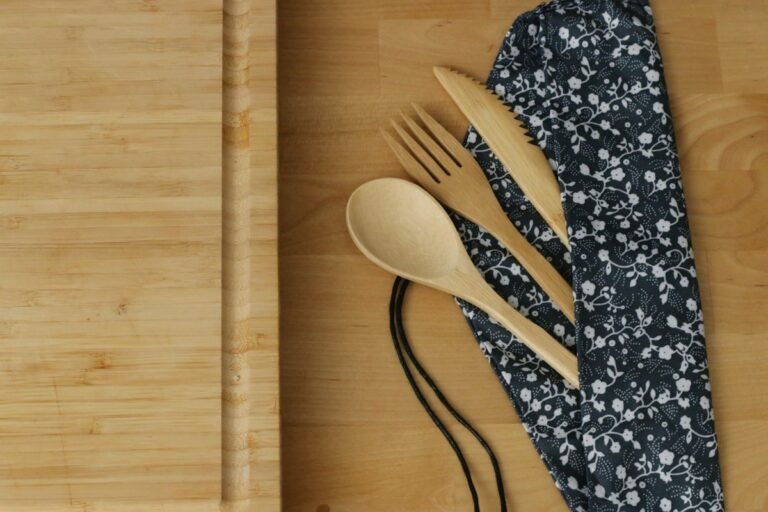
Bamboo is an absolute powerhouse of sustainability. It is technically a giant grass, meaning it grows at astonishing speeds without requiring synthetic fertilisers, pesticides, or massive irrigation networks.
- Regenerative Growth: When bamboo is harvested, the root system stays intact, preventing soil erosion and sprouting fresh shoots immediately.
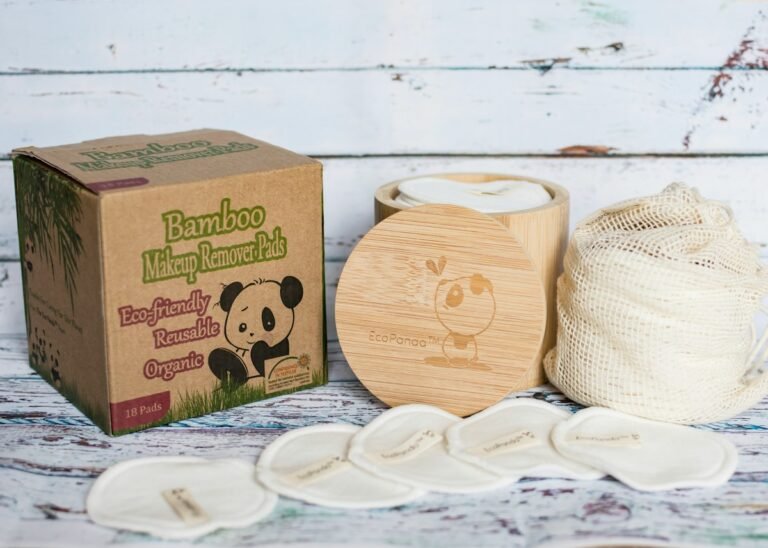
- Natural Antibacterial Qualities: Bamboo fibres naturally resist pests and microbial growth, making them ideal for homeware, cutting surfaces, and bathroom accessories.
- Strength and Lightness: It easily replaces brittle plastics and heavy metals without sacrificing durability.
Bringing bamboo homeware into your kitchen and personal care routine eliminates synthetic coatings. Your chopping boards do not leave plastic shavings in your chopped vegetables. Your soap dishes do not crack and leak dyes onto your tiles.
The Understated Brilliance of Cork
Cork is harvested strictly from the bark of the tree, leaving the living trunk standing tall to absorb carbon dioxide for decades. It is naturally water-resistant, shock-absorbing, and warm to the touch.
Using cork coasters, desk organisers, and storage lids creates tactile warmth in your home. You eliminate synthetic foam mats and petroleum rubber pads with a material that naturally composts in a garden bed.
Practical Shifts for an Accessible Zero-Waste Home
You do not need to empty your cupboards into the bin today to live sustainably. Tossing working plastic items into the rubbish just to buy green replacements completely misses the point.
Instead, practice mindful replacement:
* The “Use It Up” Rule: Keep using whatever plastic items you currently own until they are genuinely broken or worn out.
* The Renewable Swap: When that nylon hairbrush or plastic desk organiser finally gives up, switch to a crafted, biodegradable alternative.
* Look for Multipurpose Tools: Choose homeware that performs multiple tasks so you purchase fewer objects overall.
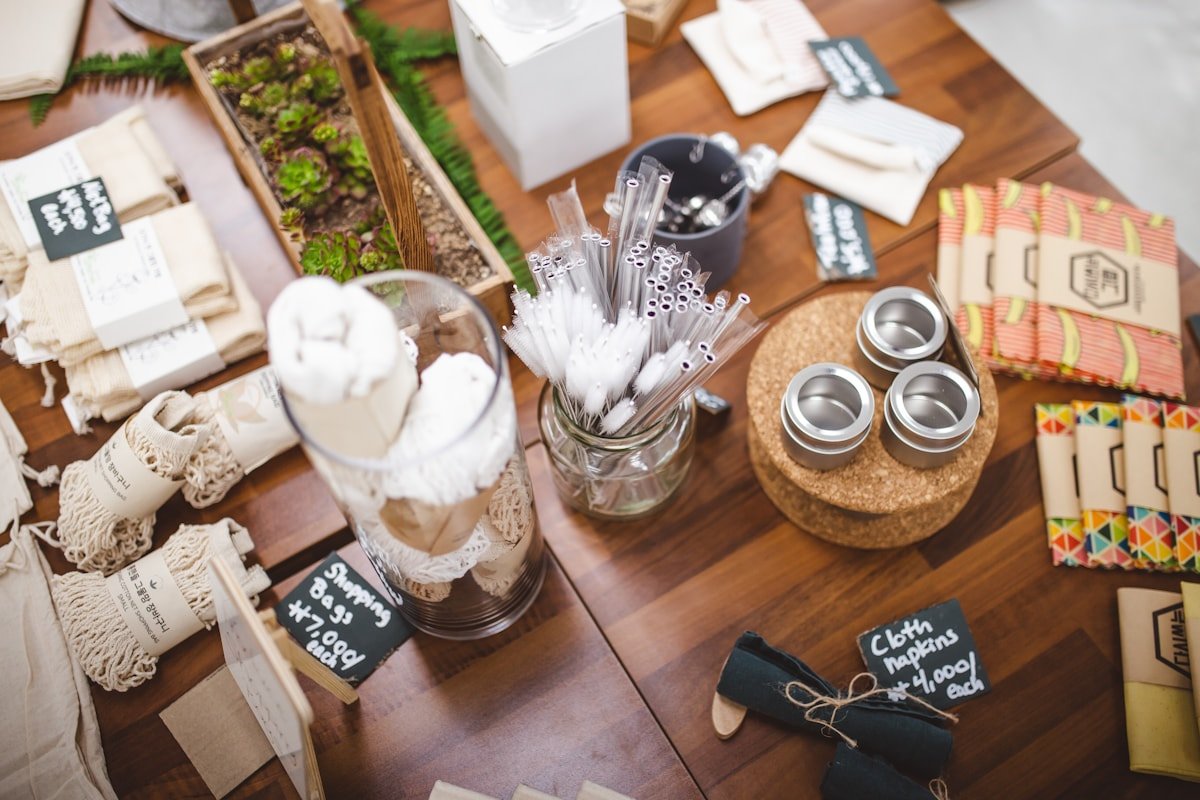
When selecting everyday items, discovering durable sustainable lifestyle essentials designed for conscious living ensures that your household switches do not compromise on functional durability or clean design.
Consider your work desk, for example. Millions of plastic ballpoint pens are thrown away every month across offices and schools. Switching to plantable seed pencils or refillable bamboo writing tools shifts an unconscious habit into an educational act. Once the pencil wears down, you place the stub into a pot of soil, water it, and watch herbs or flowers sprout. It transforms waste into living flora, offering a visual lesson in closed-loop systems.
Regional Action: Why Local Context Matters
Sustainability cannot follow a one-size-fits-all Western blueprint. What works in North America or Northern Europe does not always fit the ecological realities, climate considerations, and municipal waste systems of India and neighbouring South Asian regions.
Our domestic spaces contend with high humidity, distinct seasonal monsoons, and unique waste management challenges. Imported zero-waste trinkets shipped across oceans leave an enormous carbon footprint and often fail to withstand local climatic conditions.
True environmental stewardship focuses on domestic resources:
* Sourcing local jute that supports rural agricultural processing.
* Utilizing indigenous bamboo varieties that thrive without intensive intervention.
* Creating products that naturally degrade in standard compost heaps without needing specialised commercial recycling facilities.
When schools, community centres, and businesses integrate local natural goods, the educational impact multiplies. Children learn that everyday tools originate from the soil, not industrial smokestacks. Corporate offices swap disposable event kits for plantable stationery and plastic-free homeware, normalising conscious consumption across wide professional networks.
Building Lifelong Mindful Routines
Zero waste living is not a rigid test of perfection. You do not need to fit three years of rubbish into a single tiny glass jar.
Instead, it is about shifting your baseline perspective:
* Refuse the disposable items you do not need, from single-use cutlery to cheap plastic promotional pens.
* Reduce the clutter on your shelves, investing only in functional goods that serve daily routines.
* Choose raw materials that respect your bodily wellness and regional biodiversity.
Every time you choose untreated bamboo over moulded polymer, or natural jute over woven polypropylene, you vote for cleaner waterways, healthier agricultural communities, and a home free from synthetic degradation. You bridge ancient domestic sensibility with the urgent requirements of our modern planet.
Begin with one room, one swap, and one thoughtful habit at a time. Explore our complete collection of sustainable lifestyle essentials at Aegle Sriphal and begin building your natural, waste-free daily sanctuary today.