Rethinking Daily Habits: The Spark for Conscious Living
Most of us want to do right by the planet, but everyday life gets in the way. Look around your desk right now. Chances are, you are surrounded by cheap plastic ballpoint pens, synthetic stationery, and disposable junk destined for a landfill. Plastic is cheap, convenient, and everywhere. Yet switching towards sustainable lifestyle essentials does not mean you have to move off the grid or weave your own clothing from scratch. It starts with simple, practical swaps that make ecological sense while teaching us how our daily consumption ripples outward into local rivers, soil, and communities across South Asia.
Real change happens when our everyday tools become teaching instruments. When you choose thoughtfully designed alternatives, like items made of bamboo or jute, you create a tangible reminder of where materials come from and where they end up. That is why initiatives focusing on sustainable lifestyle essentials through Aegle Sriphal’s eco-transformation are so critical today. By merging natural materials with hands-on learning, we can turn standard desk accessories into daily lessons in resource conservation, regenerative habits, and waste reduction.
The Problem with the Disposability Trap
Let us be honest for a second. We have all bought multi-packs of cheap plastic pens without giving them a second thought. You use them for three weeks, they run dry, or the cap snaps, and into the dustbin they go. Multiply that by billions of people. What you get is an environmental disaster unfolding in slow motion.
Single-use plastics choke our waterways, overload municipal landfills, and break down into toxic microplastics that seep into our groundwater. In India and South Asia, rapid urbanisation and shifting consumer patterns have driven plastic waste to an all-time high.
The trouble is not just the physical trash. The larger issue is mental. Throwaway culture disconnects us from production cycles. When an item costs pennies, we assume it holds zero value. We forget the petroleum used to refine it, the emissions spewed to ship it, and the hundreds of years it will sit under the sun without decaying.
To break that mindset, we must restore value to what we handle every day.
How Everyday Tools Can Educate
Education does not only happen behind desks reading textbooks. In fact, lecture-style environmental education often falls flat because it feels abstract. Global targets like the United Nations Sustainable Development Goal 12 (Responsible Consumption and Production) or SDG 4.7 (Education for Sustainable Development) sound grand, but what do they mean when you are just jotting down a grocery list?
Practical education requires physical contact. This is where creative material choices step in:
- Direct Feedback: Using an item made from raw jute or carved bamboo feels different. It reminds your senses that nature supplied the raw fibre.
- Closing the Lifecycle Loop: When an item is plantable or fully biodegradable, it teaches the concept of a circular economy. Things do not simply disappear; they transform.
- Sparking Curiosity: A child using a wooden pencil with a seed capsule at the tip will naturally ask questions. Why is there a seed here? What happens when I finish writing? Can I plant this in dirt?
That single moment of curiosity achieves more than twenty slides on waste management ever could.
The Power of Plantable Pencils and Natural Materials
Imagine finishing a pencil down to the stub and, instead of binning it, sticking it into a pot of soil. Add some water, give it a bit of sunlight, and within weeks you have fresh herbs, flowers, or vegetables.
This is not a gimmick; it is an active classroom. Plantable pencils fundamentally flip the script on consumption. Instead of ending a product’s life cycle with waste, you end it with growth. It bridges the gap between functional design and real-world biology.
Beyond stationery, materials like bamboo and jute are foundational to regional sustainability in South Asia. Here is why:
1. Bamboo: The Rapid Renewable
Bamboo is technically a grass, not a tree. It grows blisteringly fast, sometimes up to a metre a day, requiring zero pesticides and remarkably little water. It absorbs massive amounts of carbon dioxide while producing clean oxygen. When harvested properly, the root system stays intact, preventing soil erosion and allowing the shoot to regrow immediately.
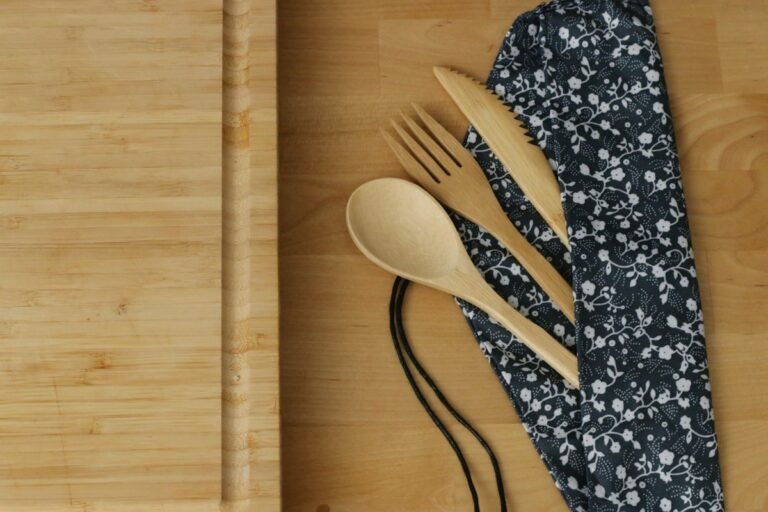
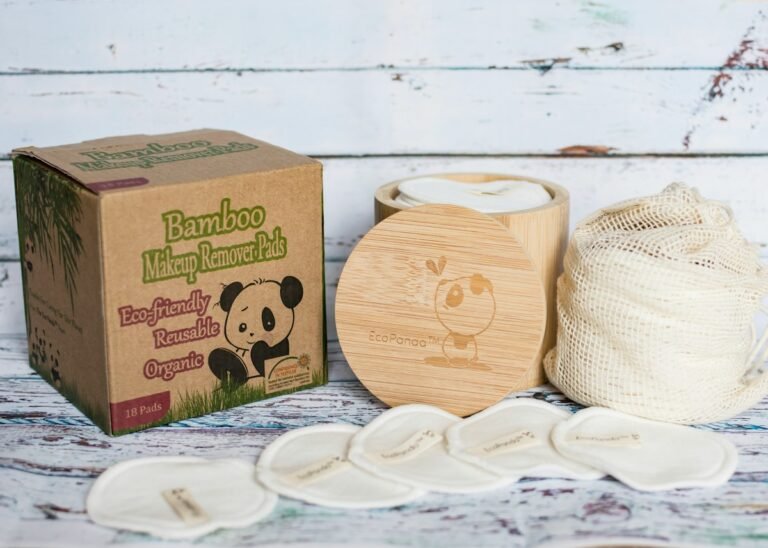
Using bamboo homeware or personal care goods replaces petroleum-derived plastics with a durable, naturally antimicrobial material that safely returns to the earth at the end of its life.
2. Jute: The Golden Fibre
Jute is completely biodegradable, highly durable, and native to the fertile plains of South Asia. For decades, synthetic plastic packaging pushed jute aside because fossil fuels made cheap synthetics effortless.
Bringing jute back into everyday bags, sleeves, and accessories restores local rural economies, cuts down on synthetic poly-sacks, and eliminates long-lived synthetic fibres from our domestic waste streams.
By opting for thoughtfully crafted sustainable lifestyle essentials designed for conscious living, households and workplaces can phase out non-recyclable goods while actively investing in regional green economies.
Bridging the Gap: Communities, Schools, and Workplaces
No movement survives purely on solo efforts. While personal choices count, scaling them up requires structural adoption. This is why B2B partnerships with local institutions, schools, colleges, and mission-driven organisations are so valuable.
Classrooms and Universities
Children and teenagers absorb habits quickly. Introducing plantable stationery or natural homeware in schools transforms environmental policy from a lecture into a hands-on routine. When an entire classroom plants their pencil stubs at the end of an academic term, they create a school garden. That garden becomes living proof of what happens when you treat resources with care.
Modern Workplaces
Corporate offices generate mountains of trash: branded plastic pens, cheap synthetic swag bags, and non-recyclable cafeteria goods. By swapping company handouts for items made of bamboo and jute, businesses can reduce their immediate environmental footprint while making an honest statement to staff and clients. It aligns corporate practices with regional ecological needs instead of relying on empty corporate greenwashing.
Community Outreach
Local NGOs and community networks across South Asia can leverage regional social media platforms to open practical conversations about waste separation, composting, and zero-waste alternatives. Demonstrating that eco-conscious choices are easy, durable, and practical encourages wide public adoption.
Why Regional Solutions Matter Most
Sustainability is not one-size-fits-all. A solution that works in a suburban town in Europe might not make any practical sense in a bustling South Asian city.
Regional contexts require regional materials. India and its neighbouring countries possess centuries of traditional wisdom regarding natural materials. Long before plastic arrived, daily life revolved around terracotta, brass, bamboo, cotton, and jute. Reviving these materials with sleek, contemporary designs is not about going backwards; it is about combining traditional intelligence with modern utility.
Addressing local sustainability challenges, such as clogged urban stormwater drains, stressed water tables, and overloaded open dumps, demands products made from materials that decompose safely without releasing toxins. By staying focused on South Asian regional needs, we support local manufacturing, minimise long-distance transportation emissions, and tackle our local waste problems head-on.
Making the Shift: Simple Steps for Mindful Living
Ready to reduce your reliance on plastics? You do not need to overhaul your entire life overnight. Try these simple, low-effort changes:
- Conduct a Waste Audit: Look at your dustbin at the end of the day. What makes up the bulk of your trash? Is it plastic packaging, stationery, or disposable cutleries? Spot the biggest offender and tackle it first.
- Swap Before You Shop: Use up what you already own. Do not throw away working plastic pens just to buy wooden ones. That defeats the purpose! But when a plastic tool breaks or runs dry, replace it with a compostable, natural alternative.
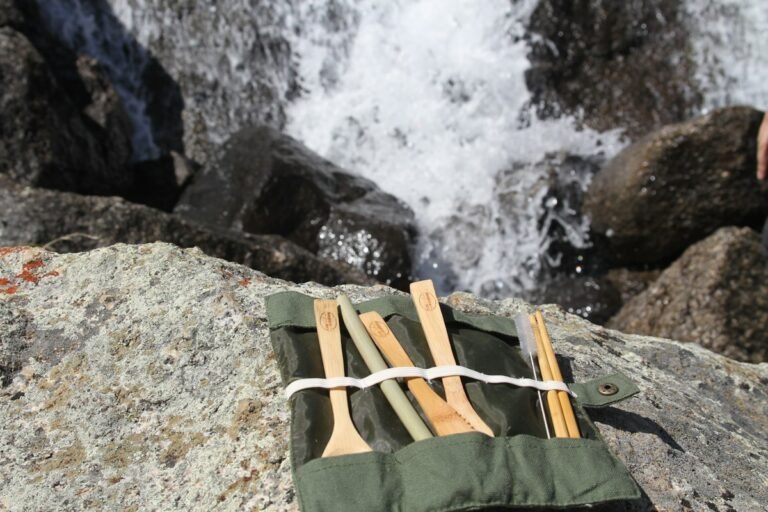
- Bring Your Own Kit: Keep a compact jute tote bag and a reusable bamboo bottle in your backpack or car. You will avoid dozens of plastic carry bags every single week.
- Choose Dual-Purpose Products: Look for items that serve a secondary purpose, such as plantable products that turn into greens after use.
- Spread the Word Without Preaching: The best advocacy is action. When people see you using a well-crafted bamboo product or planting your pencil stub, explain how it works. Curiosity opens far more minds than criticism.
The Long-Term Vision for a Greener Tomorrow
Shifting culture takes patience, education, and accessible alternatives. When sustainable goods are durable, beautifully made, and affordable, choosing them ceases to feel like a chore. It simply becomes the smart, intuitive thing to do.
By linking daily consumer decisions directly with environmental education, we empower ourselves and the next generation to make mindful choices every single day. Every small swap helps protect natural habitats, cuts down our reliance on fossil fuels, and nurtures a culture that treats the earth with the dignity it deserves.
If you are ready to begin making practical changes in your daily routine, take the first step today by bringing sustainable lifestyle essentials into your daily environment and being a direct part of the solution.