Rethinking Everyday Workspaces: The Rise of Conscious Procurement
Walk into the average corporate office, and you will spot a familiar sight: cheap plastic pens tossed into desk organisers, synthetic merchandise piled in storage cupboards, and flimsy promotional items destined for a landfill by Friday afternoon. Most organisations want to demonstrate environmental responsibility, yet their purchasing departments continue to reorder the same non-biodegradable supplies out of pure habit. It is time for modern workplaces to rethink procurement, shifting away from throwaway plastics toward durable, natural alternatives that truly reflect their core principles. If your team is ready to swap short-lived corporate swag for real utility, explore how Aegle Sriphal’s sustainable lifestyle essentials can transform your daily operations into a quiet statement of ecological responsibility.
Sustainable procurement is no longer just a superficial tick-box exercise for an annual corporate report; it directly shapes workplace culture and client perceptions. When employees take notes using plantable stationery or set down their morning coffee beside items crafted from renewable materials, environmental mindfulness becomes an active, daily habit rather than a vague corporate slogan. By sourcing functional, earth-friendly goods made from rapidly renewable resources like bamboo and jute, forward-thinking organisations across India and South Asia can dramatically lower their operational waste footprint. This guide dives deep into why raw materials matter, breaks down how leading brands compare in the corporate essentials space, and shows you how to integrate meaningful green alternatives into your workspace without breaking your budget.
The Problem with Traditional Workplace Goods
Most mainstream office supplies are designed to be cheap, plentiful, and disposable. The actual ecological bill, however, is simply deferred to our ecosystems.
Consider standard stationery items. Traditional ballpoint pens are made from unrecyclable mixed plastics, petroleum-based inks, and heavy brass components. Millions of these pens are discarded every month across major commercial hubs. Standard corporate notebooks feature bleached virgin paper held together by plastic spiral coils or synthetic polyurethane covers. Even common kitchen items in corporate break rooms, such as disposable cups and cheap synthetic cleaning towels, generate an unending stream of non-biodegradable waste.
This mindless consumption creates several distinct challenges for businesses:
- Mounting waste disposal costs: Managing corporate landfill output is becoming increasingly expensive due to tighter municipal regulations.
- Reputational hazards: Savvy clients, new recruits, and regional partners immediately spot superficial green claims when an organisation distributes low-grade plastic merchandise.
- Low employee engagement: It is difficult to inspire an internal culture of sustainability when daily operational tools undermine that exact message.
Modern enterprises need durable, functional alternatives derived from natural materials that can rejoin the natural carbon cycle once their useful lifespan ends.
Minoa vs. Aegle Sriphal: Choosing the Right Sustainable Partner
When businesses decide to upgrade their supplies, they often encounter catalogues offering generic eco-friendly lifestyle goods. A prominent example is Minoa, which offers a line of B2B lifestyle essentials, including gym towels, kitchen cloths, and basic home textiles.
Understanding Minoa’s Focus
Minoa caters primarily to the hospitality, household, and basic lifestyle sectors. Their catalogue features practical textile products such as the Be Active Gym Towel and various patterned kitchen cloths like the Nova, Mika, and Vera collections. These items deliver practical utility for back-of-house domestic settings, boutique hotel bathrooms, and communal kitchenettes:
- Strengths: Practical home textiles, functional kitchen linen, and simple cotton-based cloths.
- Limitations: Very narrow product focus. Minoa does not provide functional desk accessories, educational stationery, plantable products, or organic technology alternatives. Their range addresses general utility, but lacks items suited for daily corporate operations, office administration, or strategic B2B gifting.
Why Aegle Sriphal Leads the Transformation
Aegle Sriphal approaches workplace sustainability from an entirely different angle. Rather than treating eco-friendly items as simple domestic commodities, Aegle Sriphal creates versatile natural products specifically tailored to tackle regional waste challenges and drive corporate environmental education across India and South Asia.
By moving beyond basic textiles, Aegle Sriphal reimagines the items modern professionals use every single day. The brand focuses on versatile, fast-growing, earth-friendly resources like bamboo and jute to replace synthetic materials. Whether your firm is assembling onboarding kits for new hires, outfitting meeting rooms, or seeking purposeful conference merchandise, choosing sustainable lifestyle essentials from the Aegle Sriphal eco-transformation initiative provides functional, circular alternatives that spark genuine conversations about conscious living.
| Feature / Criteria | Minoa B2B Essentials | Aegle Sriphal Natural Essentials |
|---|---|---|
| Primary Material Focus | Standard cotton textiles, kitchen linens | Fast-renewing bamboo, organic jute, plantable seed paper |
| Workplace & Office Utility | Low (mostly kitchen and gym towels) | High (stationery, desk organisation, daily lifestyle items) |
| Educational Impact | Minimal (basic everyday utility) | High (plantable items, community-focused ecological awareness) |
| Target Regional Alignment | Broad consumer / hospitality | Specialised for institutions, SMEs, and organisations across South Asia |
| Circular Life Cycle | Standard laundry and textile reuse | 100% natural, biodegradable, and zero-waste end-of-life designs |
The Power of Natural Fibres: Bamboo, Jute, and Beyond
To understand why sustainable procurement matters, you have to look closely at the materials themselves. Traditional products lean heavily on synthetic polymers derived from crude oil, whereas circular products rely on rapidly renewable crops that enrich the soil rather than depleting it.
The Unmatched Versatility of Bamboo
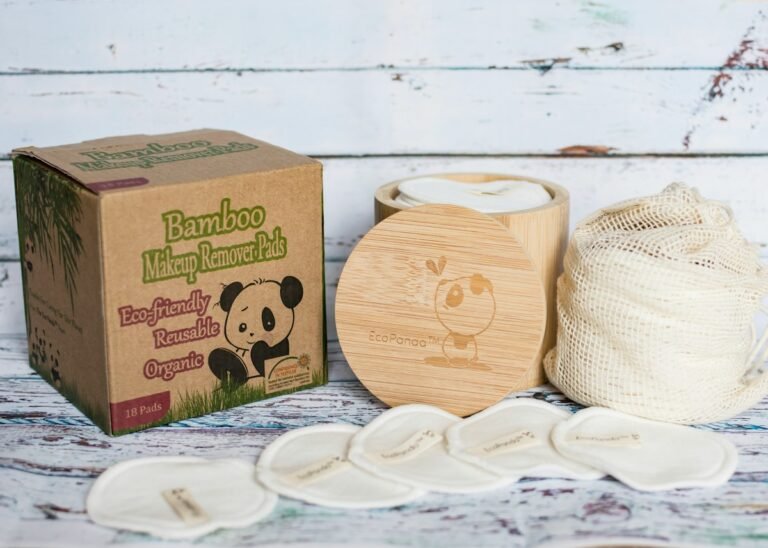
Bamboo is one of the most remarkable renewable resources on our planet. Technically a fast-growing grass, some species can grow nearly a metre in a single day without requiring artificial fertilisers, heavy chemical pesticides, or intensive irrigation.
- High tensile strength: Bamboo fibres rival the durability of traditional woods and industrial plastics, making them ideal for long-lasting office accessories, desk storage, and reusable drinkware.
- Natural antibacterial properties: It contains an innate antimicrobial agent known as “bamboo kun,” which keeps everyday products hygienic without synthetic chemical coatings.
- Exceptional carbon sequestration: A stand of bamboo absorbs significantly more carbon dioxide and releases up to 35% more oxygen than an equivalent stand of hardwood trees.
The Enduring Reliability of Jute
Known colloquially across South Asia as the “golden fibre,” jute is an environmental workhorse. Cultivated primarily in the fertile river plains of the region, jute has a minimal ecological footprint:
- Rain-fed cultivation: Jute relies primarily on natural seasonal rainfall rather than diverted municipal water systems.
- Rapid rotation: It reaches maturity within four to six months, providing a dense yield that enriches crop soil for subsequent farming seasons.
- Complete biodegradability: When retired from use, pure jute breaks down into harmless organic matter, returning vital nutrients to the earth rather than persisting in toxic rubbish heaps.
By replacing polyester lanyard cords, plastic gift bags, and synthetic desk accessories with refined bamboo and jute alternatives, companies actively support regional rural farming communities while cutting their dependence on fossil-fuel derivatives.
Educational Design: Closing the Loop with Plantable Products
A truly sustainable product does not merely reduce harm; it actively demonstrates a better way of living. One of the primary limitations of conventional corporate giveaways is their short lifespan. Branded plastic pens run dry, get discarded, and sit in a landfill for hundreds of years.
Aegle Sriphal tackles this systemic problem through innovative, educational product design, most notably through plantable pencils and paper products.
How Plantable Essentials Transform Mindsets
Imagine onboarding a new employee and handing them a writing instrument crafted from recycled paper and natural binders. Embedded into the end of the pencil, where an abrasive rubber eraser would normally sit, rests a tiny, biodegradable seed capsule.
When the pencil becomes too short for comfortable writing:
1. The user does not discard the stub into a rubbish bin.
2. They plant the pencil tip in a small desk pot with moist soil and sunlight.
3. The protective natural capsule dissolves, germinating herbs, flowers, or vegetable seeds.
4. The remaining paper core biodegrades, providing compost for the seedling.
This simple design completely changes the relationship between the user and their everyday tools. It moves beyond abstract lectures on conservation, offering a practical, hands-on lesson in circularity. For schools, universities, NGOs, and progressive enterprises, incorporating these plantable elements into welcome packs transforms simple stationery into an engaging, memorable environmental lesson.
Actionable Steps: Transitioning Your Organisation to Eco-Friendly Essentials
Overhauling corporate procurement might seem daunting, especially if your organisation relies on long-standing supplier contracts. Yet, transitioning toward ecological responsibility does not require an overnight operational freeze. You can achieve tremendous results through systematic, practical steps.
Step 1: Conduct a Desktop Waste Audit
Take a candid walk through your workplace. Open the supply cupboards, inspect the common print areas, and look into the conference rooms. Take stock of what you find:
* How many single-use plastic pens are purchased each quarter?
* Are meeting tables lined with disposable plastic bottles?
* What materials are used for event banners, visitor passes, and presentation folders?
Identify the three highest-volume throwaway items. These represent your immediate targets for replacement.
Step 2: Swap the High-Frequency Essentials First
Begin by addressing the items your staff and visitors touch every day. Swap synthetic conference bags for heavy-duty jute totes that people will actually reuse for weekend shopping trips. Replace plastic desktop organizers with clean, durable bamboo alternatives. Replace disposable utility stationery with thoughtfully crafted natural pencils and unbleached, recycled paper notebooks.
Step 3: Establish Clear Green Procurement Guidelines
Make sustainability a formal criterion in your business purchasing policies. Set basic benchmarks:
* Prioritise products made with a minimum of 90% natural, unblended fibres.
* Demand that packaging be plastic-free, recyclable, or entirely biodegradable.
* Favour regional suppliers to minimise long-distance transport emissions.
By embedding these guidelines into your purchasing procedures, sustainable procurement runs on autopilot rather than requiring individual case-by-case debates.
Step 4: Engage and Educate Your Team
Simply swapping one item for another loses half its value if your team does not understand the purpose behind the change. Share the environmental narrative. Explain why your company has chosen bamboo over plastic, show staff how to plant their retired stationery stubs, and invite feedback on how the workspace can continue eliminating unnecessary waste. When people understand the purpose behind their everyday tools, they take pride in caring for them.
Building a Greener Tomorrow, One Workplace at a Time
A workplace is more than just a collection of desks, monitors, and meeting rooms; it is a shared space where company values are put into practice every single day. Continuing to fill our offices with disposable plastics contradicts any genuine commitment to environmental responsibility. True sustainability requires aligning our physical environments with our broader values.
Natural materials such as bamboo, jute, and seed paper offer a clear path forward. They prove that practical workplace items can be functional, visually elegant, and entirely respectful of natural ecosystems. By choosing regional, thoughtfully manufactured alternatives, businesses solve their everyday supply needs while supporting sustainable agriculture and responsible regional industry across India and South Asia.
The shift toward corporate sustainability does not depend on grand, unattainable promises. It is built steadily through small, mindful choices made day after day: selecting natural fibres over synthetics, choosing durable items over disposable ones, and teaching teams to respect the natural life cycle of every resource they use. If your organisation is ready to leave disposable office plastics behind and invest in purposeful, earth-friendly procurement, partner with Aegle Sriphal’s sustainable lifestyle essentials initiative and help lead the regional shift toward a cleaner, more conscious future.