Why Mindful Habits Make Everyday Eco-Friendly Living Work
Have you ever stopped to count how many single-use plastic items pass through your hands before lunchtime? Between toothbrushes, takeaway containers, and throwaway pens, modern convenience quietly generates piles of non-biodegradable rubbish. True green living is not about perfection or throwing out everything you own overnight. Instead, it is an intentional shift in everyday awareness, choosing better materials, supporting fair production methods, and picking up sustainable lifestyle essentials from Aegle Sriphal to gently ease your daily footprint on the earth.
When we integrate thoughtful values into our morning routines and workspace habits, conscious consumption stops feeling like a chore. Sustainable living simply becomes an extension of kindness towards our environment and the communities around us. By swapping resource-heavy synthetics for regenerative resources like bamboo and jute, you create a ripple effect of practical conservation that starts directly at home.
The Three Pillars: Kindness, Generosity, and Willingness
Living green runs much deeper than chasing aesthetic zero-waste trends. It requires genuine personal development rooted in three everyday qualities: kindness, generosity, and willingness.
- Kindness: Compassion is vital. You cannot shame people into protecting the planet. Kindness means meeting yourself where you are without guilt, whilst offering patience to others navigating their own green path.
- Generosity: Sustainability thrives on shared knowledge. When you find a reliable alternative, share the insight, gift an eco-friendly swap, and encourage community habits that conserve resources.
- Willingness: Good intentions mean very little without action. Willingness is the practical choice to refuse convenience plastic, recycle properly, and pick natural materials when replenishing daily supplies.
When these principles guide your habits, reducing waste feels like second nature rather than an uphill battle.
Moving Past Synthetic Waste: Natural Materials That Regenerate
Mainstream consumer goods rely heavily on cheap, petroleum-based plastics that stick around for centuries in local landfills. Replacing them requires materials that grow quickly, require minimal chemical inputs, and return harmlessly to soil when discarded.
The Everyday Strength of Bamboo
Bamboo is one of nature’s most resilient resources. Technically a fast-growing grass, some species can shoot up over three feet in twenty-four hours without pesticides or intensive irrigation. Unlike timber, harvesting bamboo does not kill the root cluster, preventing topsoil erosion and enabling rapid regeneration.
From bathroom brushes to durable homeware, bamboo handles daily wear and tear effortlessly while resisting natural moisture. It is sturdy, lightweight, and completely biodegradable at the end of its life cycle.
The Practical Charm of Jute
Known globally as the “golden fibre,” jute is another regional staple across South Asia that punches well above its weight. It demands minimal fertilisers, absorbs vast volumes of carbon dioxide, and produces strong fibres ideal for durable bags, storage baskets, and homeware accents.
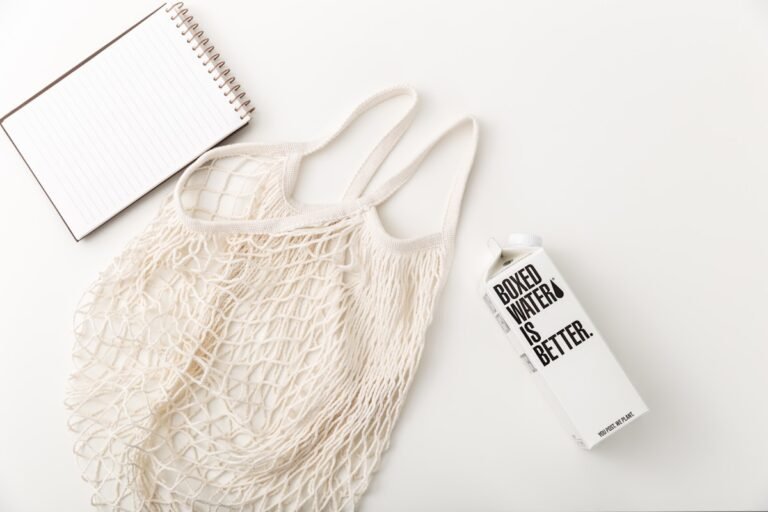
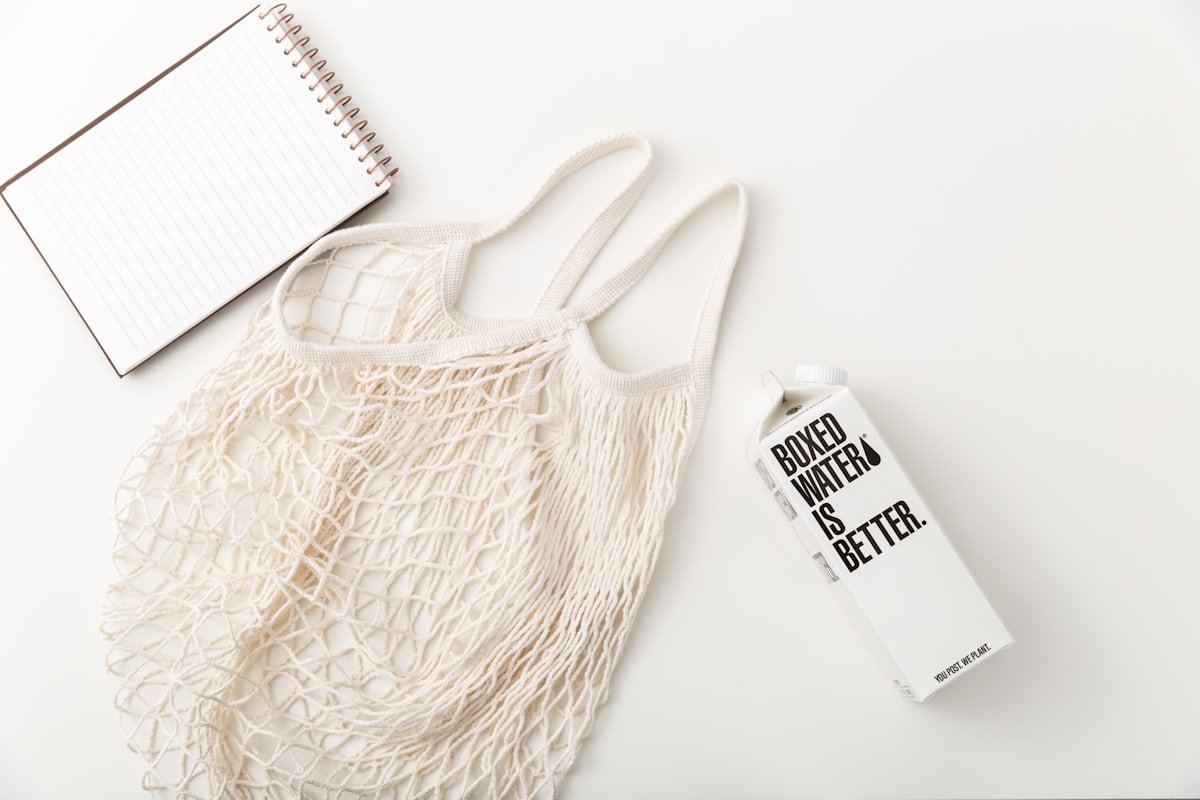
Swapping flimsy polythene shopping bags for breathable, reusable jute totes keeps unnecessary waste out of local storm drains and waterways.
Small Routine Shifts: Upgrading Your Everyday Toolkit
You do not need to overhaul your entire household at once. Lasting transformation happens when you replace empty supplies with better options as you go.
A Mindful Morning Routine
Start where your day begins: the bathroom basin. Standard plastic toothbrushes cannot be recycled curbside and linger in municipal waste dumps indefinitely. Switching to a carved bamboo toothbrush instantly eliminates half a dozen discarded plastic handles from your annual footprint. Add natural soap bars wrapped in recyclable paper, and your morning wash becomes a clean, low-impact ritual.
Greening Your Study and Workspace
Plastic pens are among the most neglected sources of everyday litter. Millions of empty plastic casings run out of ink every week and end up straight in the dustbin.
A clever, modern alternative is the plantable seed pencil. Carved from sustainably harvested graphite and biodegradable casings, these pencils feature a small water-soluble seed capsule at the tip. Once the pencil becomes too short to hold comfortably, you invert it, push it into a small pot of moist soil, and water it regularly. Within days, your spent pencil sprouts fresh herbs or wildflowers. It turns waste disposal into a practical biology lesson.
To make practical upgrades across your home and office, discover the range of eco-friendly alternatives with Aegle Sriphal and bring durable, natural materials into your everyday setup.
Transforming Consumer Culture Through Community and Education
Purchasing habits do not exist in a vacuum. Real, long-term environmental protection depends on helping individuals, schools, and workplaces understand the ecological lifecycle of the items they buy.
When schools replace standard stationery with plantable alternatives, students experience resource regeneration first-hand. When companies choose bamboo stationery and jute totes for conferences, they signal a clear commitment to environmental stewardship without generating piles of throwaway promotional plastic.
Education bridges the gap between passive concern and active participation. By speaking openly about waste management, resource extraction, and soil health, local initiatives empower households to make informed, conscious decisions every single day.
How to Build a Sustainable Home Without Getting Overwhelmed
Transitioning to a conscious lifestyle can sometimes feel daunting, especially with mixed messaging around green trends. Here is a simple, no-nonsense approach to keep your eco-friendly journey realistic and steady:
- Use up what you own: Never toss functional plastic goods into the bin just to buy bamboo replacements. True sustainability means extracting full utility from existing possessions first.
- Audit your daily bins: Notice what makes up the bulk of your dry household waste. Is it packaging, takeaway cups, or disposable writing gear? Target your biggest waste culprit first.
- Choose multi-use over disposable: Prioritise durable homeware, reusable cloth carry bags, and refillable containers over single-use items, even if those single-use items claim to be compostable.
- Support transparent supply chains: Back businesses that prioritise natural materials, fair regional manufacturing, and plastic-free packaging.
- Cultivate green patience: Treat living sustainably as a lifelong learning curve. Missed a recycling run or bought a takeaway coffee in a paper cup? Do not sweat it; focus on consistency over perfection.
Every time you invest in mindful materials, you cast a vote for healthier ecosystems, cleaner waterways, and responsible manufacturing.
Take your next step toward mindful living by choosing reliable sustainable lifestyle essentials designed for conscious living and build an eco-friendly daily routine that truly lasts.