Rethinking Your Everyday Carry with Mindful Living
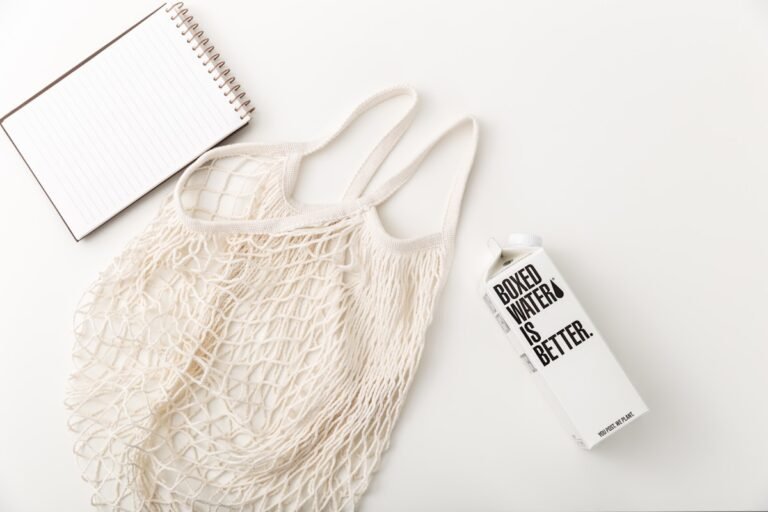
Look inside your everyday bag right now. What do you see? Odds are, there is a tangle of plastic pens, synthetic pouches, disposable coffee cups, and mystery plastic wrappers that seem to multiply overnight. We have been conditioned to rely on cheap convenience, but our planet simply cannot handle the load anymore. Shifting away from throwaway habits does not mean overhauling your life overnight in a state of panic. Instead, it starts with curating functional, durable pieces that serve real needs every single day without leaving a trail of indestructible rubbish behind. Embracing Sustainable lifestyle essentials through the Aegle Sriphal eco-transformation initiative allows you to strip away clutter and focus entirely on intentional living.
Adopting a capsule approach for your daily carry brings the same relief as clearing out an overstuffed wardrobe. When you swap synthetic junk for natural materials like bamboo and jute, you solve daily friction while respecting the planet. This guide breaks down how to build a reliable everyday kit tailored for conscious living. We will look at why natural fibres outshine petrochemical plastics, how mindful accessories save time and money, and how smart regional choices support community sustainability across India and South Asia.
The Capsule Wardrobe Philosophy Applied to Everyday Objects
You have probably heard about capsule wardrobes. The idea is simple: keep a small collection of versatile, high-quality garments that work together effortlessly. Think of durable linen shirts, sturdy trousers, and timeless cuts that outlast fickle fashion trends. That exact mindset applies just as beautifully to the items you carry in your pockets, backpacks, and work satchels.
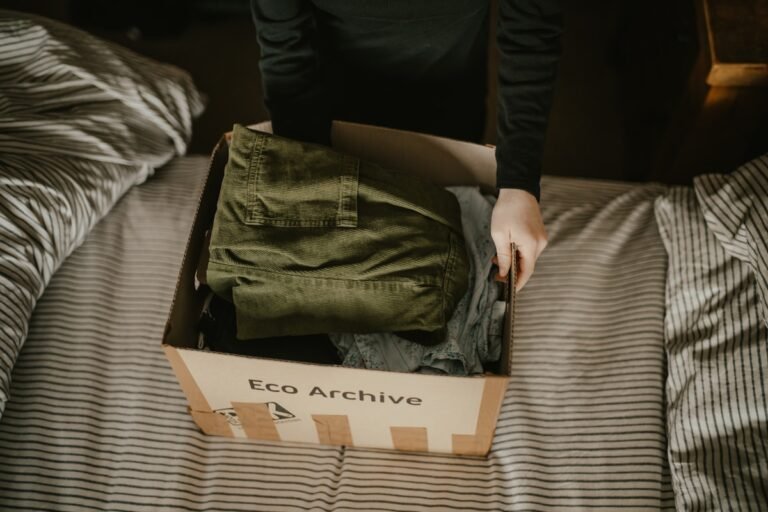
Instead of buying dozens of flimsy items that break within three weeks, you choose a handful of reliable tools made to endure. Fast fashion creates mountains of textile waste and guzzles precious water supplies. Cheap consumer knick-knacks do the exact same thing with non-biodegradable plastics. A capsule carry cuts through the noise.
When you apply the capsule ethos to daily utility:
* You stop spending money replacing broken disposable items every month.
* Your pack feels lighter because every single item serves a clear purpose.
* You reduce reliance on petrochemical derivatives that linger in landfills for centuries.
* You support ethical craftsmanship rooted in renewable agriculture.
It comes down to quality over quantity. Choose objects crafted with care, and you will find genuine pleasure in using them every single day.
Why Natural Materials Matter: The Bamboo and Jute Edge
If you want to cut ties with single-use culture, you need materials that are both resilient and gentle on the earth. This is where bamboo and jute step into the spotlight. They are not just aesthetic choices; they are functional powerhouses.
The Wonder of Bamboo
Bamboo is technically a grass, not a tree. That distinction matters because bamboo grows at staggering speeds without requiring synthetic fertilisers or massive irrigation systems. When harvested, the root system stays intact, meaning it regenerates quickly while stabilising soil quality.
Bamboo fibres are naturally strong, lightweight, and antimicrobial. That makes bamboo ideal for:
* Reusable cutlery and travel straws.
* Smooth, durable writing tools.
* Homeware accessories that resist moisture and daily wear.
The Enduring Strength of Jute
Known historically as the golden fibre, jute has been a staple across South Asia for generations. It boasts high tensile strength, low extensibility, and total biodegradability. Unlike synthetic nylon or polyester tote bags, which shed microplastics every time you wash or scrape them, jute returns harmlessly to the soil at the end of its useful life. It offers a rugged, rustic charm that pairs seamlessly with minimalist designs.
By combining these two botanical assets, everyday items transition from disposable liabilities into regenerative tools.
Curating Your Personal Accessory Capsule
Building your capsule does not require purchasing everything at once. Begin by auditing what you use on an ordinary Tuesday morning. Identify the disposable culprits and replace them step by step with thoughtful alternatives.
1. The Conscious Work and Study Kit
How many cheap ballpoint pens have dried up and ended up in your bin this year alone? Plastic pens are one of the most overlooked sources of office clutter.
A mindful desk setup swaps mass-produced plastic pens for plantable pencils and reusable wooden tools. Plantable pencils feature a small seed capsule at the tip. Once the pencil becomes too short to hold comfortably, you plant the stub directly in a pot of moist soil. Soon, you have fresh herbs or flowers instead of useless plastic waste. It is a simple, tactile reminder that manufacturing can work in harmony with nature.
2. The Clean Travel and Commute Pouch
Commuting exposes our worst convenience habits. We buy a takeaway coffee, grab a plastic straw, wipe our hands with synthetic wet wipes, and throw it all into the nearest bin without a second thought.
Pack a compact, dedicated pouch made from natural jute containing:
* A compact bamboo cutlery set that handles work lunches and street snacks.
* A reusable napkin crafted from organic cloth.
* Personal care items housed in natural containers rather than mini plastic bottles.
When you invest in discovering high-quality sustainable lifestyle essentials from Aegle Sriphal, you carry functional pieces that make single-use alternatives look entirely outdated. You avoid plastic contact with your food, dodge unnecessary disposables, and set an inspiring standard for those around you.
3. Natural Homeware on the Go
A seamless routine moves effortlessly between home and travel. Consider swapping harsh synthetic sponges and plastic toothbrushes for bamboo homeware and natural personal care tools. Bamboo toothbrushes clean effectively without adding to the millions of plastic handles washing up on shorelines worldwide. When worn down, the handles can be composted or repurposed in the garden for plant markers.
Tackling Regional Sustainability Realities
Global conversations around sustainability often ignore regional realities. What works in a small European town does not always match the infrastructure and cultural landscape of South Asian communities. In India and neighbouring markets, waste management systems face immense strain from explosive population density and rapid urban development.
Aegle Sriphal designs with these exact local contexts in mind. Rather than adopting an abstract, one-size-fits-all environmental philosophy, the initiative focuses directly on local challenges: resource conservation, regional waste reduction, and consumer education.
When regional consumers embrace domestically sourced natural materials:
* Local agricultural supply chains receive vital financial support.
* Transportation footprints drop because materials are grown and processed locally.
* Organic materials decompose naturally, reducing pressure on municipal landfills.
Sustainability cannot exist solely as a luxury label for the few. It needs to be practical, affordable, and deeply rooted in everyday traditions.
Practical Steps to Prevent Greenwashing Confusion
The sudden surge in green consumerism has brought plenty of deceptive marketing along for the ride. Many brands slap a leafy label on petroleum-based items and call it a day. Here is how you can spot genuinely sustainable choices:
- Scrutinise Material Lists: Look for items made from 100% natural materials like raw bamboo, jute, or untreated linen. Beware of blended materials that mix natural fibres with synthetic polymers, as these cannot be easily recycled or composted.
- Examine Manufacturing Practices: Meaningful brands minimise processing chemicals and embrace low-impact production methods that protect waterways and artisan communities.
- Seek Real Educational Purpose: Dedicated eco-initiatives work to build long-term awareness. They don’t just sell an item; they show you how to care for it, extend its lifespan, and responsibly dispose of it.
- Prioritise Durability: A sustainable product that breaks after two uses is not sustainable at all. Look for solid construction, tight stitching on bags, and well-finished surfaces on timber and bamboo.
The Ripple Effect of Institutional Change
Individual actions create powerful momentum, but widespread impact happens when organisations join the fold. Across India and South Asia, schools, universities, NGOs, and corporate offices are seeking ways to align daily operations with ecological responsibility.
B2B collaborations play a massive role here. Imagine a university campus welcoming incoming students with sustainable welcome packs: plantable pencils, jute tote bags, and bamboo accessories, rather than plastic merchandise destined for the bin. Or corporate workplaces swapping generic branded plastic items for natural desk essentials during annual conferences.
These institutional partnerships normalise sustainable daily accessories for thousands of people at once. They bridge the gap between abstract corporate policies and tangible, real-world habits.
Caring for Your Natural Materials
Natural accessories require slightly different care than indestructible plastics, but the routine is simple and rewarding:
- Keep Bamboo Dry: After cleaning bamboo cutlery or homeware, dry it thoroughly with a clean towel before storing it. Do not let it soak submerged in water for extended periods.
- Spot Clean Jute Bags: For everyday jute pouches and totes, gentle spot cleaning with mild soap and cold water works wonders. Hang them in an airy spot out of harsh midday sun to dry naturally.
- Repurpose Before Retiring: When a natural accessory finally reaches the end of its functional life, think creatively. An old bamboo cup becomes a desk organiser for pens, and worn jute fabric makes excellent weed-suppressing mulch for home garden beds.
Building Your Capsule Today
A sustainable life is not built on sweeping, dramatic declarations. It is crafted quietly through the small decisions you make every morning. When you reach for your keys, your wallet, and your bag, what values are you carrying out into the world?
Choosing durable, earth-first accessories allows you to align your daily actions with your ethical values. You bypass the endless loop of cheap consumerism, free up mental space, and directly support natural agriculture. By choosing practical sustainable lifestyle essentials by visiting the official Aegle Sriphal catalogue, you take a concrete step toward a cleaner, simpler, and more mindful future. Assemble your everyday carry with intention, and watch how a few simple swaps transform your routine.