Rethinking Everyday Living: The Real Meaning of Conscious Design
Most of us look around our flats and realise that almost everything we touch is made of cheap, flimsy plastic. From kitchen storage to desk organisers, our daily routines are packed with synthetic materials that stick around for centuries. Breaking this pattern does not mean throwing out everything you own overnight. Instead, it starts with choosing thoughtful items built from earth-derived elements. Modern living demands smart utility, but it should never cost the earth. By curating genuine Sustainable lifestyle essentials through the Aegle Sriphal eco-transformation initiative, you can bring organic warmth, functional beauty, and lasting durability into your home without sacrificing everyday convenience.
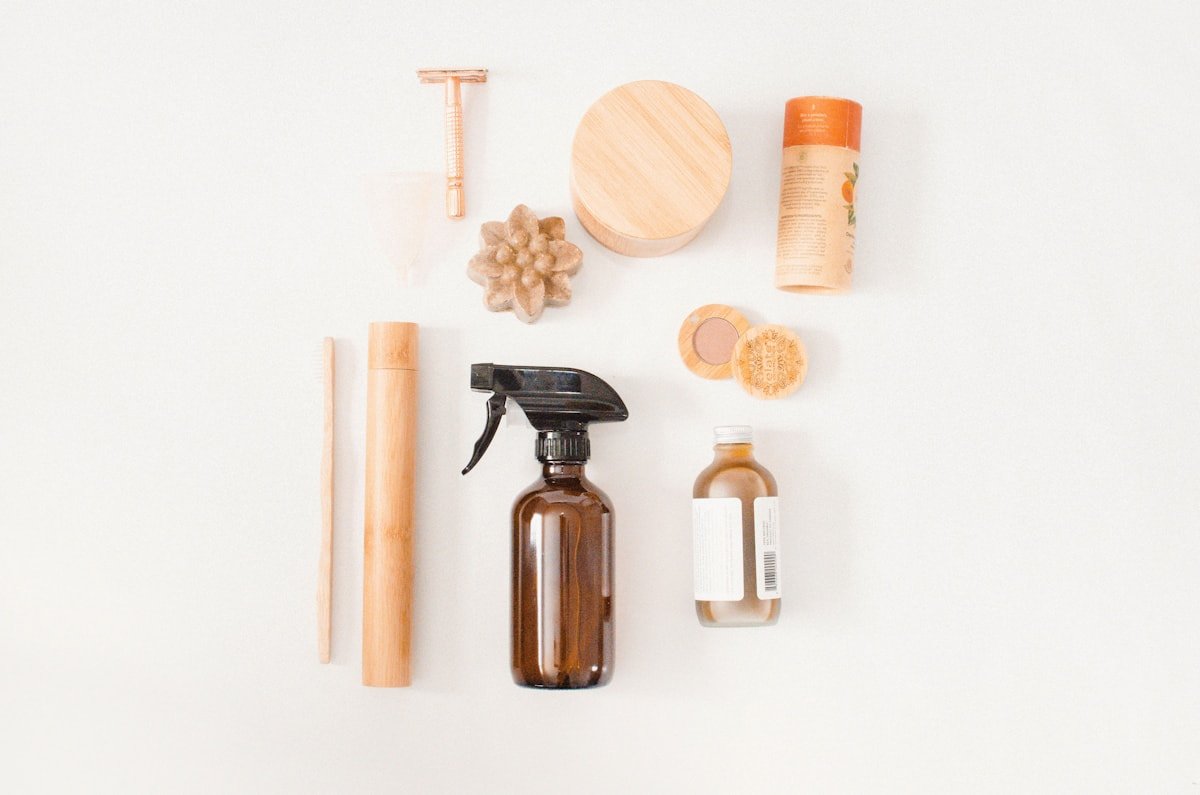
Making your home greener is really about making your daily habits more intentional. When you choose items crafted from renewable resources like bamboo and jute, you support a circular lifestyle that respects natural ecosystems. Many commercial home goods promise quick fixes, yet they rely on petroleum-heavy plastics or chemically treated composites that end up in landfills. Opting for honest materials creates a healthier indoor environment, cuts down on microplastics, and connects your living space to responsible craft traditions across South Asia. Here is your practical handbook for redesigning your home space with intention, simplicity, and natural materials.
The Problem with Conventional Housewares
Let us be completely honest for a moment. Conventional housewares are engineered for built-in obsolescence. Cheap storage bins crack under pressure, plastic desk trays warp in the sun, and synthetic homeware leaches unwanted compounds into our living spaces.
The global waste crisis is not just an abstract problem happening somewhere far away. It happens right on our kitchen counters and desks. The mainstream retail market floods consumers with mass-produced goods made with little regard for their lifecycle footprint. When these goods degrade, they cannot decompose naturally. They break down into harmful particles that pollute soil, water, and local air systems.
Switching to conscious materials fixes this cycle at the source:
- Fast Renewability: Natural materials like bamboo grow at astonishing speeds without needing synthetic fertilisers or toxic pesticides.
- Zero Synthetic Toxicity: Natural fibres do not off-gas volatile organic compounds (VOCs) into your bedroom or living room.
- True Biodegradability: When a pure bamboo or jute product reaches the end of its multi-year life, it returns safely to the soil.
- Artisanal Craft: Investing in natural pieces supports traditional processing techniques rather than polluting chemical factories.
Curated Marketplaces vs Dedicated Eco-Craft: Choosing What Fits
When shopping for green home supplies in India, you have likely encountered broad eco-marketplaces such as Suspire. These multi-brand aggregator platforms list thousands of products across diverse categories, ranging from organic snacks and vegan spreads to third-party home goods like the Kheoni handwoven storage box or BeeGreen sprays.
Broad platforms offer plenty of variety, but they also have clear trade-offs. Aggregators frequently suffer from inconsistent material sourcing, fragmented delivery parcels from dozens of separate vendors, and mixed quality standards across different makers. One brand might deliver an authentic product, while another on the same platform relies on hidden synthetic binders or excessive packaging.
In contrast, dedicated eco-initiatives focus deeply on specific, renewable resources. At Aegle Sriphal, the focus stays squarely on high-integrity plant materials like bamboo and jute. Instead of acting as an open storefront with thousands of disparate third-party listings, Aegle Sriphal designs everyday goods with complete material transparency. Every single item addresses regional sustainability challenges, resource conservation, and mindful consumption directly.
| Feature | Curated Multi-Brand Marketplaces | Aegle Sriphal Initiative |
|---|---|---|
| Material Sourcing | Variable; depends on independent sellers | 100% focused on renewable bamboo and jute |
| Supply Chain Control | Fragmented across hundreds of vendors | Dedicated, uniform eco-friendly production |
| Primary Focus | Retail aggregation and varied product range | Purpose-led design and consumer education |
| Packaging Standards | Varies widely by vendor | Minimal, environmentally mindful packaging |
| Regional Relevance | Broad commercial listings | Targeted solutions for South Asian living |
Sustainable Lifestyle Essentials for Every Room
Creating a greener home works best when tackled room by room. You do not need to purge your flat; simply replace items with superior, planet-safe alternatives as old things wear out.
1. The Mindful Workspace
If you work from home or spend hours at a desk, your workstation deserves natural textures that boost focus and cut clutter. Plastic desk organisers and cheap acrylic stands feel cold and break easily.
Replace synthetic cable boxes and synthetic stands with natural bamboo holders. A brilliant example is the Aegle Sriphal Bamboo Speaker Amplifier and Mobile Holder. It props your phone at an ergonomic viewing angle while naturally amplifying sound through acoustic resonance chambers. That means zero electricity, zero wires, and pure acoustic warmth. Pair it with plantable pencils that grow into herbs when placed in soil, turning everyday stationery into living greenery.
If you are looking to modernise your desk setup with clean, natural lines, explore durable bamboo homeware designed for sustainable lifestyle essentials that balance ergonomics with environmental integrity.

2. The Low-Waste Kitchen and Dining Area
The kitchen usually produces the highest volume of daily household waste. Between plastic food wrap, disposable takeaway cutlery, and synthetic kitchen containers, it is easy to generate bags of rubbish every week.
Start by replacing synthetic containers with natural alternatives:
- Bamboo Flasks: Carry water or tea in a double-walled flask wrapped in organic bamboo to maintain drink temperatures without single-use plastics.
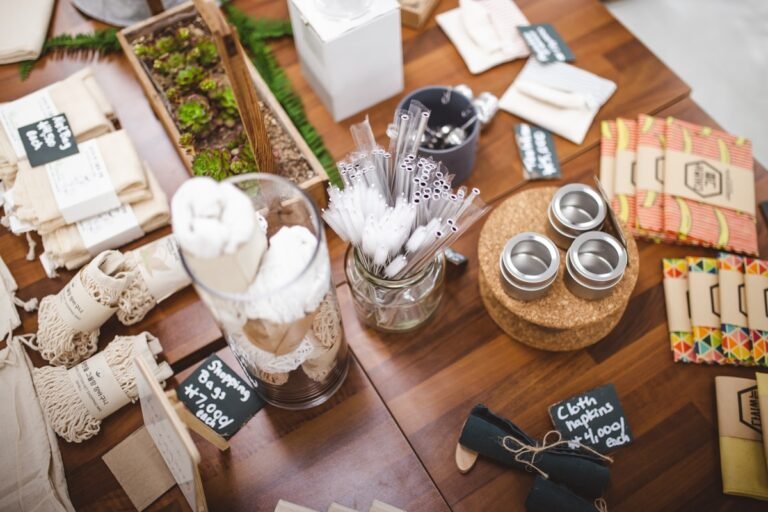
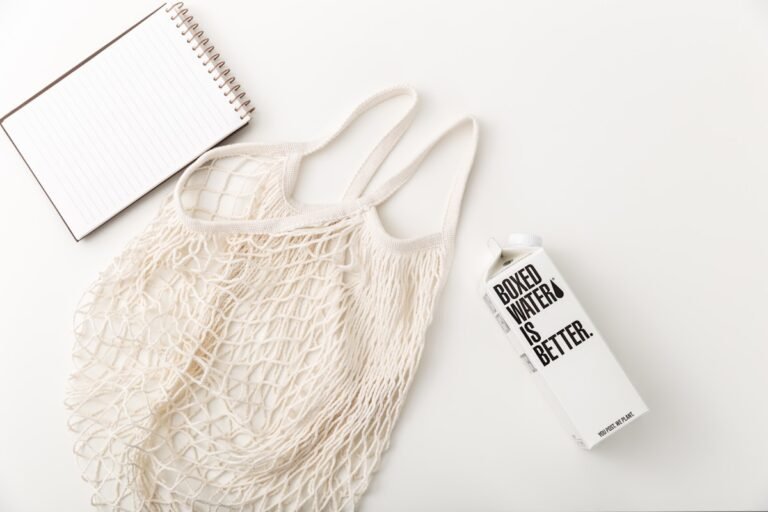
- Jute Produce Sacks: Keep your root vegetables and fruits aerated in breathable, handwoven jute bags that keep food fresher than suffocating poly-bags.
- Compostable Kitchen Sheets: Swap out petroleum-based plastic wrap for natural paper covers when packing lunches or baking.
3. Living Room and Entryway Utility
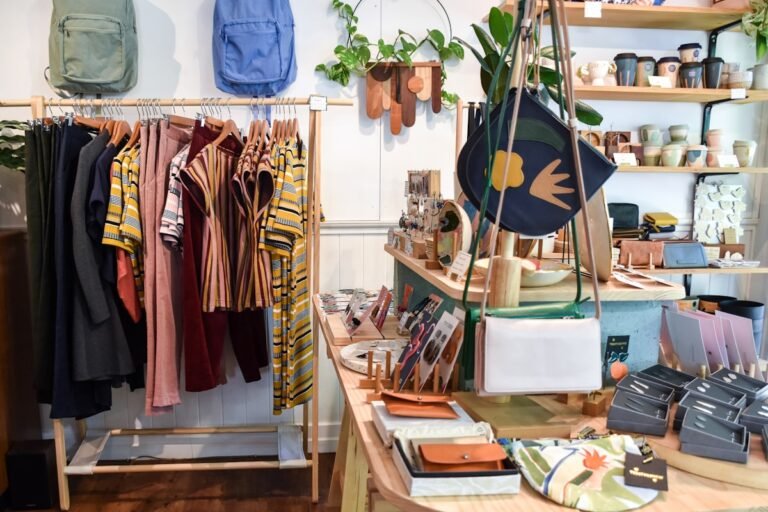
Your entryway and living areas set the tone for your whole home. Instead of synthetic rugs and industrial particle-board tables, lean into handcrafted, tactile textures.
Handwoven water hyacinth and jute storage baskets keep throws, books, and toys neat without adding more synthetic resin to your rooms. Furthermore, choosing functional items crafted with natural woods or fast-growing reeds brings an earthy calm that synthetic decor simply cannot duplicate.
Why Natural Materials Matter: Bamboo and Jute
Why do we constantly champion bamboo and jute over other materials? The science behind these two plants makes them true powerhouses for responsible design.
The Power of Bamboo
Bamboo is not technically wood; it is a rapid-growing grass. Certain species can grow up to 90 centimetres in a single 24-hour window.
- Resource Efficiency: Bamboo requires zero chemical pesticides and significantly less water than timber forests.
- Structural Strength: Its tensile strength rivals steel, making it ideal for everything from furniture to daily tableware.
- Carbon Sequestration: Bamboo stands absorb higher levels of carbon dioxide and release up to 35% more oxygen than an equivalent stand of hardwood trees.
The Durability of Jute
Known historically as the golden fibre, jute is deeply woven into the agricultural heritage of South Asia.
- Low Footprint: Jute relies primarily on natural seasonal monsoon rainfall rather than intensive artificial irrigation.
- Complete Degradability: A pure jute item will naturally decompose in soil within a few months at the end of its useful lifespan.
- Toughness: Its thick, insulating fibres resist tearing, making it the perfect raw material for heavy-duty tote bags, mats, and structural wraps.
Small Daily Habits That Make a Real Difference
Stocking your home with earth-safe tools is only the first step. Genuine sustainability comes alive through daily, repeatable habits that conserve resources.
- Refuse Before You Recycle: The greenest product is always the one you did not consume. Say no to free plastic giveaways, flimsy event pens, and single-use delivery cutlery.
- Air-Dry Whenever Possible: Take advantage of natural sunlight to dry your clothes and sanitise kitchen boards naturally, saving electricity.
- Opt for Plantable Learning: Introduce children and housemates to plantable stationery. Watching a pencil end sprout into a basil or tomato plant is a fantastic lesson in natural lifecycles.
- Prioritise Local Craft: Choose home products created from materials native to your region. By reducing international shipping mileage, your household footprint drops significantly.
Living mindfully does not require extreme minimalism. It is simply about curating pieces that last, support your daily routines, and protect natural systems. When you replace fragile plastic wares with well-made items derived straight from the soil, your home becomes calmer, more resilient, and completely aligned with the natural world.
Transform your daily living space by investing in thoughtfully made sustainable lifestyle essentials from Aegle Sriphal and lead the way toward a cleaner, greener tomorrow.