Rethinking Daily Routines: The Real Shift to Sustainable Living
Most of us want to do better for the planet, but it often feels overwhelming. Walk into any shop and you are surrounded by plastic wrap, disposable containers, and cheap synthetic items built to break in a month. It is easy to think that one person switching a single household item will not make a dent. Yet, real environmental change rarely starts with grand gestures. It begins when regular people quietly decide to stop buying junk and start curating sustainable lifestyle essentials that last. When you swap out throwaway conveniences for durable, biodegradable goods, you pull the plug on everyday waste while building a calmer, cleaner personal space.
The goal is not perfection or living out of a tiny glass jar filled with seven years of rubbish. Instead, it comes down to intentional choices: choosing natural materials like bamboo and jute over petroleum-based plastics, supporting ethical craftsmanship, and paying attention to where everyday objects end up. If you are ready to reshape your daily habits and discover how simple, functional choices transform everyday routines, check out Eco-Transformation: Aegle Sriphal’s Sustainable Product Initiative to see practical, earth-first goods in action. Taking small steps today sets up resilient habits for years to come.
Why Natural Materials Beat Synthetic Plastics Every Time
Plastic took over our lives because it was cheap, light, and convenient. But that convenience comes with a massive hidden cost. Most plastic items linger in landfills or waterways for centuries, fragmenting into microplastics that poison soil and drinking water.
Natural fibres offer a cleaner path forward. Consider materials that regenerate rapidly without toxic chemical fertilisers:
- Bamboo: A fast-growing grass that requires minimal water and zero pesticides. It is naturally antibacterial, tough, and completely compostable at the end of its lifecycle.
- Jute: Known as the “golden fibre,” jute is exceptionally strong, fully biodegradable, and leaves virtually no carbon footprint during cultivation.
- Terracotta and Clay: Traditional, non-toxic materials that return directly to the earth without releasing synthetic compounds.
- Repurposed Wood: Durable, repairable, and warm, keeping raw carbon locked away instead of burning in waste heaps.
When you switch your kitchenware, bathroom kit, or carrying bags to natural alternatives, you eliminate harmful off-gassing and throwaway culture from your home. You surround yourself with textures that age gracefully rather than clutter that cracks and ends up in the bin.
Morning to Night: Everyday Swaps That Make Sense
Living sustainably does not mean stripping your home bare. It means upgrading what you already use so it serves both you and the environment. Here is how simple adjustments throughout your day can turn into lasting eco-friendly habits.
1. In the Bathroom: Ditching the Hidden Plastics
Bathrooms are notorious for single-use plastic waste. Bottled shampoos, liquid body washes, disposable razors, and nylon toothbrushes pile up fast.
- Switch to solid bars: Shampoo and soap bars eliminate plastic bottles entirely. They also last longer because you are not paying for watered-down formulas.
- Choose plant-based bristles and handles: A bamboo toothbrush cuts down on plastic handles that sit in tips forever.
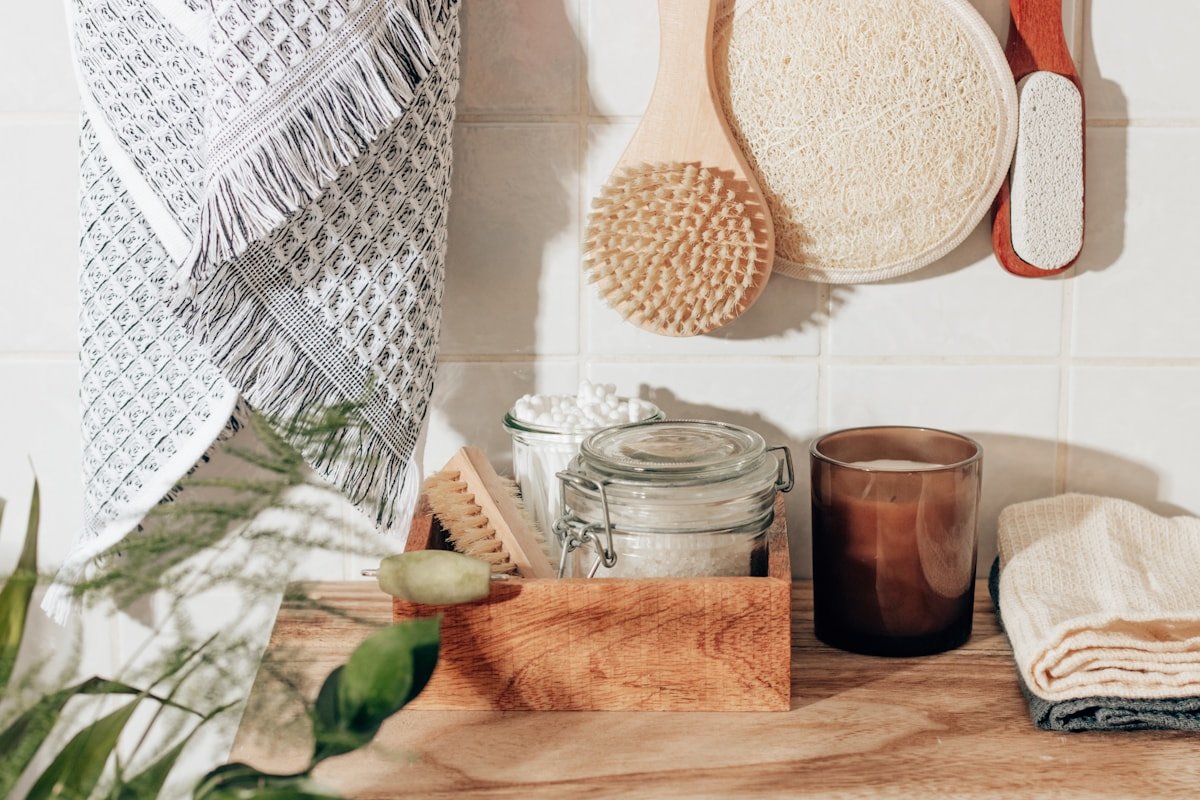
- Use natural loofahs: Ditch the synthetic shower puffs that shed microplastics down the drain. Dried loofah gourds or woven jute scrubbers clean better and compost easily.
2. In the Kitchen: Clean Cooking and Smart Storage
The modern kitchen generates a startling amount of film, cling wrap, and takeaway packaging. You do not need high-tech gadgets to cut this down.
- Ditch cling wrap: Use stainless steel containers, silicone covers, or wax wraps to keep leftovers fresh.
- Invest in bamboo homeware: Bamboo cutting boards, salad bowls, and utensils are gentle on cookware, highly resilient, and free of artificial sealants.
- Clean with plant fibres: Replace synthetic yellow-and-green sponges with coconut coir brushes or jute dish scrubbers. They scour pans effectively without shedding plastic threads into the municipal water system.
3. On the Move: The Portable Zero-Waste Kit
A huge chunk of everyday rubbish happens when we are out running errands, commuting, or travelling. Keeping a small grab-and-go kit in your bag stops unnecessary waste before it happens.
- Carry a lightweight steel water bottle to skip single-use bottled water.
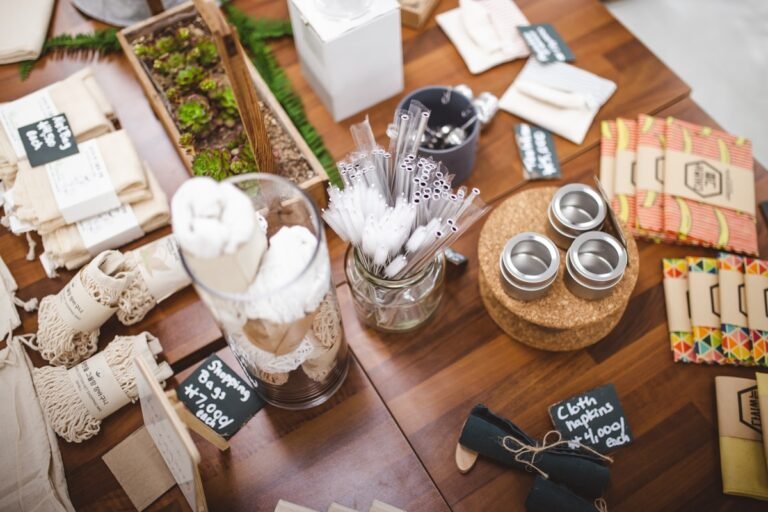
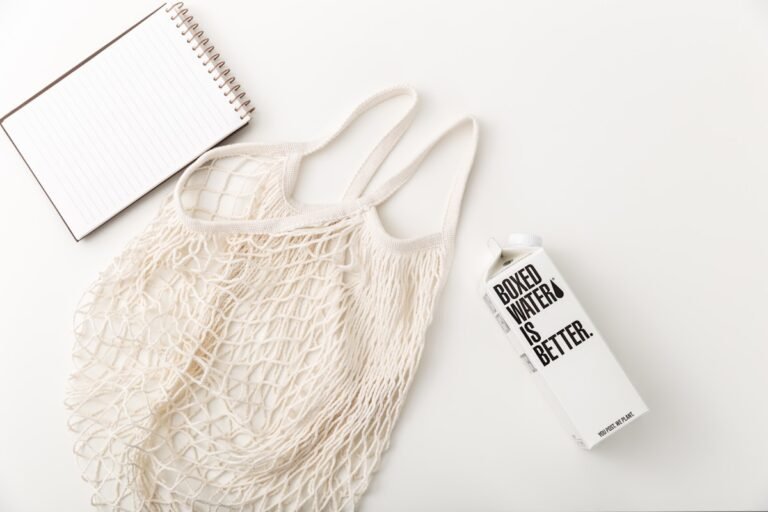
- Keep a sturdy jute tote folded inside your everyday pack so you never need a shop carrier.
- Pack a compact set of bamboo cutlery and a cloth napkin to avoid plastic forks and flimsy paper tissues.
By stocking your routine with thoughtfully crafted sustainable lifestyle essentials designed for conscious living, you avoid countless single-use plastics without sacrificing comfort or convenience on busy days.
Cultivating a Conscious Workspace and Mindful Learning
Sustainability should not stop at your front door. Our workspaces and schools are full of hidden waste: cheap plastic pens, glossy paper, and synthetic desk organisers that break after a few months.
Think about how many plastic ballpoint pens you have discarded in your life. Millions of these plastic tubes sit in landfill sites annually. A smarter alternative is turning functional tools into environmental education. Plantable stationery, such as pencils embedded with seeds at their tips, offers a practical lesson in circular living. When the pencil becomes too short to hold, you plant it in a pot of soil, water it, and watch herbs or flowers sprout.
Small design shifts like this connect everyday actions with tangible living outcomes. Pairing plantable pencils with notebooks made from recycled or tree-free paper helps students and professionals reconnect with the natural lifecycle of the objects they handle every day.
Community Action and Regional Environmental Care
Individual action is a critical starting point, but widespread ecological resilience needs community participation. Across South Asia and emerging markets, local waste management systems face immense pressure from packaging waste and single-use wrappers. Addressing these issues requires more than personal discipline; it demands regional collaboration.
Schools, universities, and corporate offices can lead by example by overhauling their supply chains:
- Institutional Sourcing: Swapping corporate plastic gift hampers for artisanal jute bags and natural homeware supports local craft communities while removing non-recyclable packaging.
- B2B Collaborations: Educational institutions partnering with mission-driven enterprises can introduce practical sustainability workshops, teaching composting, material reuse, and soil health directly to students.
- Localised Solutions: Tackling river cleanups, local composting setups, and neighbourhood recycling drives grounds abstract global climate goals into immediate, visible community benefits.
When neighbourhoods and local businesses unite around reducing waste, eco-conscious living transforms from a solitary habit into a shared cultural norm.
Sustainable Travel: Leaving Places Better Than You Found Them
Whether you are heading out on a weekend trek or travelling across regions, stepping out of your regular environment presents unique sustainability challenges. Tourism often strains local water supplies, overburdens regional waste processing, and leaves delicate natural spots littered with packaging.
To travel with a lighter footprint:
- Choose slow, local transit: Whenever possible, choose trains or shared transport over short flights to cut transport emissions.
- Eat where the locals eat: Dine at local markets and family-run spots that source seasonal, local produce instead of international hotel chains that fly in packaged goods.
- Pack light and wash along the way: Carrying fewer clothes reduces luggage weight, saving transit fuel. Wash natural fabrics by hand with biodegradable soap bars.
- Support regional conservation projects: Look into community-run ecovillages, permaculture spaces, or responsible conservation volunteering. Spending time working alongside local growers provides direct insights into land stewardship and seasonal living.
Respecting local resources ensures that the destinations we love remain vibrant, clean, and welcoming for the communities who call them home.
Building a Greener Tomorrow, One Choice at a Time
Adopting an eco-friendly routine is not an overnight test of willpower. You do not have to discard everything in your cupboards today to buy green replacements. In fact, throwing away usable items just to replace them with eco-friendly alternatives completely misses the point.
Use up what you currently own. Repair what is loose or torn. When something finally wears out and cannot be mended, replace it deliberately. Choose renewable goods, back artisans using natural fibres, and champion mindful design over cheap mass production.
To explore a complete collection of practical, plant-derived products that support this journey, take your next step with Aegle Sriphal’s sustainable lifestyle essentials and begin building an intentional, waste-free lifestyle today. Every small choice matters, and the best time to start is right now.