Rethinking Daily Habits: The New Wave of Sustainable Living
Take a quick look around your desk or kitchen. How much single-use plastic can you spot right now? Most of us grew up surrounded by cheap synthetic items, from throwaway pens to flimsy plastic storage boxes. While Western lifestyle movements often push expensive capsule wardrobes or minimalist aesthetics that feel out of reach, true sustainability does not need to be fancy or foreign. In fact, South Asia already holds the blueprint for living in balance with nature, relying on crops that grow right in our backyard. Switching to functional, durable, plant-based goods is the easiest way to cut down your household footprint without overcomplicating your routine.
When you invest in regional, circular design, everyday routines become cleaner and simpler. Fostering a greener home starts when you source genuinely renewable goods made from regional crops like bamboo and golden jute fibre. That is why so many households are choosing Sustainable lifestyle essentials from Aegle Sriphal’s eco-transformation initiative to swap out harmful synthetic throwaways for compostable, beautifully designed household goods. Real change is not about buying fifty new eco-gadgets; it is about replacing the small things you touch every single day with items that can safely return to the earth.
The Problem with Mainstream Consumer Goods
We have a plastic problem, and it is not a secret. Walk through any local market across India or neighbouring regions, and you will see mountains of discarded packaging, synthetic pens, and cheap homeware. Most mainstream consumer products are manufactured with zero thought given to their end of life. They get used for twenty minutes, sit in a rubbish bin for a week, and then linger in a landfill or waterway for five centuries.
Worse still, many alternative products on the market fall into the trap of greenwashing. You see a notebook marketed as green, but it is coated in synthetic polymer film. You buy an eco-cup, only to discover it contains non-recyclable melamine resin.
Here is what makes conventional consumer items so damaging:
* They depend on petrochemical extraction that drains finite resources.
* They break easily, forcing you into a constant cycle of rebuying.
* They shed microplastics into local water systems every time they are washed or discarded.
* They travel thousands of food-and-freight miles, racking up massive carbon footprints before reaching your door.
South Asia needs solutions that make sense for its own geography and climate. We do not need imported Nordic minimalism; we need regenerative everyday goods built from the ground up.
Rediscovering Local Materials: Why Bamboo and Jute Win
Nature already figured out high-performance materials long before factories started churning out polypropylene. Two materials stand tall when it comes to regional sustainability: bamboo and jute.
Bamboo is technically a grass, not a tree. It shoots up at astonishing speeds, sometimes growing nearly a metre in a single day. It requires no toxic pesticides, minimal water, and regenerates from its own roots after harvesting. That means no soil erosion, no replanting headaches, and massive carbon absorption.
Jute, often called the golden fibre, is another regional powerhouse. Grown predominantly in the fertile river deltas of South Asia, jute absorbs carbon dioxide rapidly and enriches the soil it grows in. Unlike nylon or polyester tote bags that leach plastic threads into the environment, jute is 100% biodegradable and exceptionally tough.
When you combine these two natural fibres, you get durable, lightweight, stylish homeware that can withstand intense humidity and daily wear. From sturdy plantable pencils to breathable storage bags and resilient homeware, natural fibres outperform brittle plastics every single time.
Beyond the Minimalist Trend: Practicality Meets Purpose
You might have come across guides advising you to build an ultra-minimalist aesthetic wardrobe or toss everything you own to buy bespoke linen. While reducing clutter is great, real-world sustainability must be accessible, practical, and useful for working households.
Sustainable living is not an aesthetic you curate for social media; it is a series of quiet, mindful decisions. Do your kitchen utensils leach chemicals when heated? Does your stationery leave behind toxic plastic casings when empty?
By switching to everyday items crafted from unvarnished bamboo and raw jute, you bring practical beauty into your home. A bamboo organiser does not crack when dropped; it develops a natural patina. A jute sack breathes, keeping dry goods fresh instead of trapping moisture like polyethylene wrappers do.
If you are ready to rethink your daily setup, explore durable bamboo and jute sustainable lifestyle essentials that fit effortlessly into busy South Asian homes. Practical swaps always beat rigid lifestyle trends because they are easy to maintain for life.
Smarter Design: Products that Give Back to the Soil
What happens when an item reaches the end of its useful life? That is the ultimate test of any sustainable brand. Traditional pens, for instance, are among the dirtiest culprits in schoolrooms and corporate offices. Millions are tossed every day, ending up buried in dirt where their plastic shells never rot.
Innovative designs solve this problem directly at the source. Consider plantable stationery:
1. You write with a pencil made from recycled materials or sustainably sourced wood.
2. Once it becomes too short to hold comfortably, you do not toss it into the wastepaper bin.
3. You invert the pencil and plant the seed capsule embedded in the tip directly into a pot of soil.
4. With a little water and sunlight, that old pencil transforms into fresh herbs, vegetables, or flowering plants.
This turns a mundane school or office supply into an active lesson in environmental science. It reconnects children and adults alike with the natural lifecycle of plants. Sustainability stops being a theoretical concept in a textbook and becomes something green sprouting on your windowsill.
Building Grassroots Awareness Across South Asia
Solving environmental challenges is not solely about retail transactions; it demands a massive cultural shift. That is why community-led initiatives and regional education matter so much. Across India and neighbouring countries, young people are demanding cleaner air, reduced plastic waste, and smarter municipal recycling systems.
To make a lasting impact, sustainable brands must partner with local institutions:
* Schools and Universities: Running workshops where students replace plastic stationery with plantable alternatives, learning hands-on botany and waste reduction.
* Corporate Workplaces: Assisting offices in ditching single-use conference kits, plastic promotional pens, and synthetic lanyards in favour of natural bamboo accessories.
* Non-Governmental Organisations: Teaming up to tackle waste management challenges at community festivals and local gatherings.
By taking regional environmental challenges seriously, from plastic-choked drains during monsoon season to overflowing suburban landfills, we create solutions that resonate with real people. Engaging communities on familiar platforms helps normalise sustainable choices, turning conscious living from a niche luxury into a shared cultural priority.
Making the Switch Today
You do not need to overhaul your entire house overnight. Radical overhauls rarely stick. Instead, focus on gradual, high-impact replacements:
- Replace plastic writing instruments with biodegradable, plantable options.
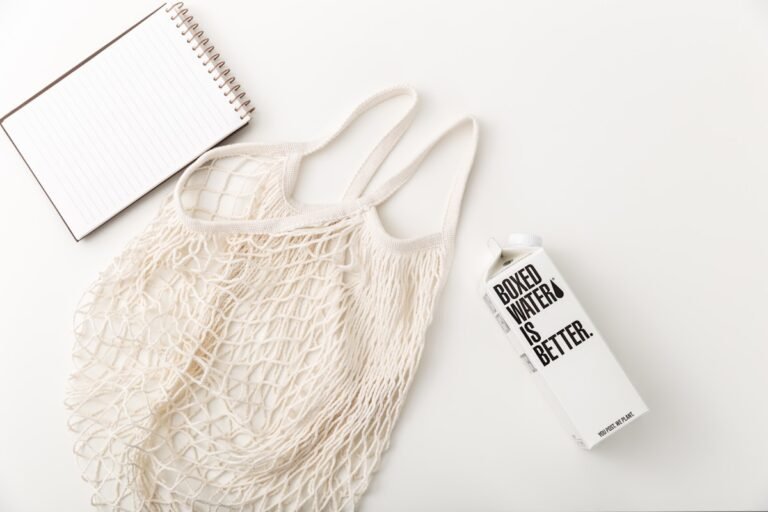
- Swap synthetic grocery and utility bags for resilient, naturally woven jute totes.
- Trade cracked plastic kitchen boards and utensil pots for antimicrobial bamboo homeware.
- Share your habits with friends, family, and colleagues to multiply your positive impact.
Every plastic toothbrush, pen casing, and shopping bag you refuse keeps petrochemical trash out of our rivers, agricultural lands, and oceans. South Asia has all the ancient traditions, natural raw materials, and modern design talent needed to lead the world in ecological harmony.
Take the first step toward a cleaner home by picking up authentic South Asian sustainable lifestyle essentials designed for mindful everyday living, and help turn conscious consumerism into our region’s defining standard.