Why Your Daily Skincare Routine Needs a Clean Reset
Let us talk about the dirty secret hiding in your bathroom bin. Every single night, millions of single-use face wipes and bleached cotton pads get tossed straight into the rubbish bin. Most of these wipes contain hidden polyester fibres, artificial fragrances, and harsh chemicals that do nobody any favours. They do not break down in municipal landfills; they sit there for centuries, leaching microplastics into our waterways and soil. The good news? Switching to sustainable self-care does not mean you have to sacrifice performance, skin comfort, or your hard-earned cash.
Making the transition toward zero-waste personal care starts with finding dependable, practical items you can wash and reuse for years. If you want to purge plastic from your dressing table, investing in thoughtful Bamboo reusable products provides an effortless way to upgrade your beauty habits while protecting our shared natural spaces. Let us look closely at why traditional wipes are failing our skin, how modern natural fibres change the game, and why conscious households across India and South Asia are making a permanent swap.
The Hidden Cost of Disposable Face Wipes
We reach for wet wipes because modern life feels busy. After a long commute through city dust, wiping off foundation and heavy eye makeup in thirty seconds feels like pure convenience. Yet that momentary convenience comes with an astronomical price tag for our bodies and the planet.
Plastic Fibres Hiding in Plain Sight
Most shoppers assume single-use makeup wipes are made of simple pressed cotton. Unfortunately, that is rarely true. The vast majority of mass-market wet wipes are manufactured from non-woven synthetic blends like polyester, polypropylene, and rayon.
- When you drag a synthetic wipe across your face, you are essentially rubbing micro-plastics directly over delicate pores.
- These materials do not rot or decompose naturally; instead, they fragment into microscopic plastic dust that travels into drainage networks.
- Municipal waste systems across South Asia face massive blockages due to non-biodegradable sanitary goods and wipes dumped into plumbing.
Beyond the plumbing disaster, chemical preservatives are required to keep wet packs moist on store shelves for months on end. Synthetic alcohol, parabens, and synthetic perfumes strip your natural sebum barrier, prompting your sebaceous glands to overproduce oil. The result? Unwanted breakouts, irritated redness, and micro-tears around the sensitive eye contour.
The Cotton Myth: Pesticides and Thirsty Crops
When consumers steer clear of synthetic wipes, they frequently turn to standard disposable cotton rounds. While cotton sounds innocent and earthy, conventional cotton farming represents one of the most resource-draining, chemically intensive agricultural sectors globally.
Conventional cotton cultivation consumes thousands of litres of fresh water just to produce a handful of disposable discs. Add synthetic bleaching agents to turn those discs pristine white, and you have an everyday item that takes immense ecological resources to manufacture, only to be discarded in under twenty seconds.
The Natural Solution: The Power of Bamboo Fibres
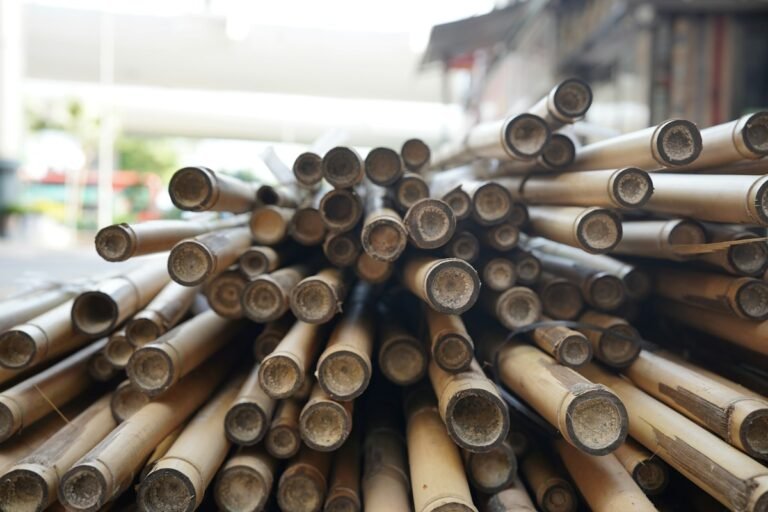
Nature already engineered superior solutions long before disposable plastics took over our shop shelves. Bamboo is a fast-growing, naturally regenerative grass that yields incredibly soft, resilient, and absorbent fabric without depleting precious natural resources.
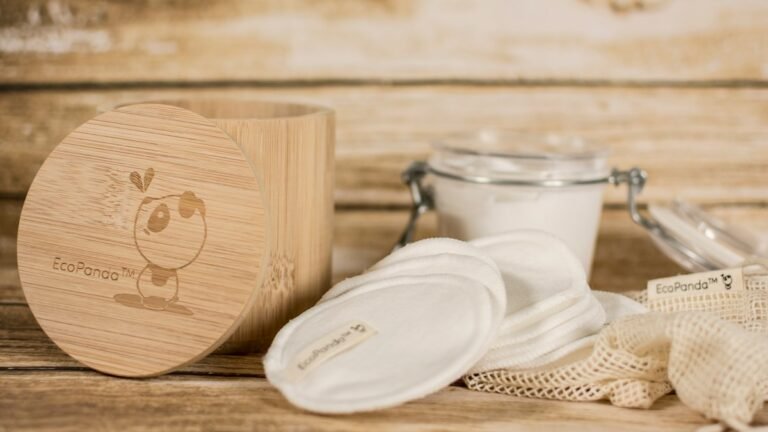
When woven into plush rounds, bamboo fabric feels velvety against sensitive eyelids. Unlike scratchy synthetic sheets or rough paper discs, bamboo rounds glide smoothly. They grip long-wear liquid pigments, waterproof mascaras, and thick sunscreens effortlessly, lifting them off your face using nothing more than warm water or a dash of your favourite cold-pressed botanical oil.
Comparing Options: Alamea Palm Beach vs Aegle Sriphal
As awareness spreads, multiple brands have introduced washable rounds. You might have seen international options like the reusable makeup remover pads from Alamea Palm Beach. While foreign brands have helped highlight the zero-waste beauty lifestyle, their offerings come with practical limitations for residents living in South Asian environments.
The Strengths and Limits of Overseas Imports
Alamea Palm Beach provides gentle, dual-sided pads built around coastal branding and chic pastel aesthetics. Their pads perform well for basic cleansing, come with standard mesh wash bags, and offer a soft touch for delicate complexions.
However, importing beauty goods from boutique western labels presents significant challenges:
- Inflated Costs: High cross-border shipping tariffs and overseas handling fees drive the price up significantly, making them impractical for standard daily routines.
- Heavy Freight Carbon Footprint: Flying small batches of personal accessories thousands of kilometres across oceans defeats the core purpose of low-impact, sustainable living.
- Detached from Local Context: Foreign lifestyle brands do not address regional waste-management realities or direct their production power into domestic communities.
The Aegle Sriphal Approach: Regional Impact and Conscious Design
This is where Aegle Sriphal steps forward to redefine the sustainable goods landscape. Operating with a clear dedication to India and neighbouring South Asian territories, Aegle Sriphal crafts everyday alternatives made entirely from natural materials like bamboo and jute.
By eliminating long international supply chains, the initiative makes sustainable living accessible and practical. Discover how Eco-Transformation: Aegle Sriphal’s Sustainable Product Initiative works directly with regional eco-friendly production methods to cut out needless single-use plastics without overseas markups.
The focus goes far beyond simply selling an item. It addresses community education, school outreach, and sustainable workplace practices. Every design balances daily durability with genuine ecological integrity, giving conscious households a local solution they can trust.
| Feature Comparison | Typical Disposable Wipes | Imported Boutique Brands | Aegle Sriphal Ecosystem |
|---|---|---|---|
| Material Base | Polyester & bleached synthetic cotton | Standard bamboo fabric | 100% natural, regional bamboo & jute |
| Lifespan | Single-use (30 seconds) | Washable for months | High-density weaves built for years |
| Skin Safety | High risk of chemical stinging & micro-tears | Soft, safe for daily usage | Chemical-free, hypoallergenic, ultra-gentle |
| Packaging & Origin | Non-recyclable metallised plastic packets | Shipped across global flight paths | Regionally sourced and distributed |
| Ecological Impact | High landfill accumulation | Moderate transport footprint | Low-waste, circular approach |
How to Build a Sustainable Nighttime Cleansing Ritual
Switching from disposable pads to washable bamboo alternatives requires only a tiny shift in your evening habits. Here is a simple, highly effective routine to keep your skin clear and your bathroom bin completely empty:
1. Apply Your Favourite Natural Cleanser
Instead of rubbing dry fibres over your face, apply your preferred cleansing balm, micellar solution, or almond oil directly onto dry skin. Massage gently with your fingertips in circular motions to break down sun protection and pigmented cosmetics.
2. Moisten Your Bamboo Pad
Dampen your bamboo pad with warm water and gently press it over your eyes and face. The warm moisture softens the fabric, allowing the dense microscopic weave of the bamboo to sweep away stubborn debris without tugging at your skin.
3. Quick Rinse and Store
After wiping away your makeup, give the pad a quick rinse under running tap water with a dab of natural soap. Squeeze out excess moisture and place it into a breathable mesh pouch. At the end of the week, toss the pouch in with your regular laundry wash cycle. They emerge fresh, clean, and ready to use again.
Caring for Bamboo Fabric to Ensure Years of Use
Bamboo fibres are extraordinarily strong, but treating them with care preserves their natural softness for hundreds of washes:
- Wash Temperature: Use cool or warm cycles (30°C to 40°C) rather than boiling water, which can shrink natural plant fibres.
- Skip Harsh Fabric Softeners: Liquid fabric conditioners coat bamboo fibres in synthetic wax, reducing their natural absorbency. Use a splash of white vinegar in the rinse drawer instead.
- Sun Dry Naturally: Take advantage of natural sunlight. Hanging your pads outside naturally brightens the fabric and acts as an organic, non-toxic sanitiser.
Inspiring a Mindful Lifestyle Across South Asia
The choices we make in front of the bathroom mirror ripple outward into our wider communities. Moving away from disposable wipes is about reclaiming a culture of mindfulness, care, and resourcefulness.
When you choose everyday items rooted in nature, you support circular local supply networks, reduce the strain on overburdened landfill facilities, and protect local rivers from plastic contamination. Whether it is bringing plantable products into school classrooms or replacing daily plastic essentials in the bathroom, small intentional swaps lead to profound long-term change.
Take the next step in refreshing your beauty regimen with zero-waste confidence. Explore Aegle Sriphal’s bamboo reusable products and join a growing regional movement building a cleaner, greener tomorrow.