Why Your Daily Skincare Routine Needs a Conscience
Look at your bathroom counter right now. What do you see? If you are anything like most people trying to look after their skin, you probably have bottles of cleansers, toners, serums, and a plastic container packed with single-use cotton rounds. We spend fortunes on clean formulas, yet we throw away handfuls of bleached, disposable pads every single week. It is a quiet habit that piles up in landfills. This is precisely where everyday sustainability meets personal ritual. By switching to thoughtfully designed bamboo reusable products, you can protect your skin barrier while cutting down on daily household waste. The transition is straightforward, practical, and long overdue.
When we examine the broader picture of daily personal care, our choices matter more than ever. Brands around the world are pushing for zero-waste alternatives, but few connect the dots between personal wellness, regional manufacturing, and material integrity. Discovering the sustainable product initiative by Aegle Sriphal reveals how natural materials like bamboo and jute can replace flimsy disposables without sacrificing luxury or performance. It is not about turning your life upside down overnight; it is about choosing everyday items that leave our planet healthier than we found it.
The Problem with Disposable Cotton Rounds
Most of us assume cotton pads are harmless. After all, cotton grows from the ground, right? The reality is much messier.
- Commercial cotton farming uses massive amounts of freshwater.
- It relies heavily on synthetic pesticides and chemical fertilisers.
- Disposables are often bleached with chlorine, leaving trace chemicals that touch your face.
- Once tossed, single-use wipes and pads frequently sit inside plastic rubbish bags where they cannot decompose properly.
Think about the sheer volume. Two pads in the morning for micellar water and toner. Two pads at night to remove eye makeup and moisturise. That is over 1,400 discarded pads a year from just one person.
Disposable wipes are even worse. Many are laced with hidden polyester fibres. You are essentially rubbing microplastics over your skin, rinsing, and sending synthetic threads straight into the municipal water system. We can do much better than that with simple, nature-based swaps.
The Rise of Bamboo Reusable Products in Clean Beauty
Bamboo has moved from a novelty material to the absolute gold standard in eco-conscious living. Why? Because it behaves unlike almost any other plant on earth.
Bamboo grows at astonishing speeds without pesticides or artificial irrigation. It regenerates from its own roots after harvesting, which prevents soil erosion. When spun into delicate textiles or carved into durable accessories, it delivers properties that synthetic fibres simply cannot replicate.
1. Naturally Soft and Hypoallergenic
Bamboo fibres are rounded and smooth. Unlike coarse synthetic pads that tug at sensitive skin, bamboo creates a plush texture. If you deal with redness, eczema, or sensitive eyes, switching to washable bamboo pads reduces friction dramatically.
2. Built for Repetition
You wash them, dry them, and use them again. High-quality reusable rounds survive dozens of laundry cycles without unravelling or losing their softness. That means less money spent on monthly chemist runs and zero waste sent to your bin.
3. Antimicrobial Properties
Bamboo contains a natural bio-agent often called “bamboo kun,” which helps resist bacterial growth. In a damp bathroom environment, having bathroom tools that resist mildew and bacteria naturally is a huge advantage.
Comparing Approaches: Niche Skincare Brands vs Whole-Lifestyle Sustainability
If you shop for green cosmetics, you might have seen items like the reusable bamboo cotton rounds from Au Naturale Cosmetics. These products are undeniably good. They highlight how gentle bamboo fibres can replace throwaway pads for liquid toners and makeup removal. Au Naturale deserves credit for pushing clean, non-toxic beauty into the mainstream.
However, niche cosmetics brands often stop at the bathroom vanity. They treat reusable pads as an isolated accessory, an add-on to a bottle of organic foundation.
Aegle Sriphal takes a different route entirely. Rather than viewing eco-friendly tools as standalone cosmetic novelties, the philosophy centres on systemic eco-transformation.
| Feature | Single-Category Beauty Brands | Aegle Sriphal Initiative |
|---|---|---|
| Primary Focus | Cosmetics accessories | Whole-lifestyle conscious living |
| Material Base | Imported bamboo blends | 100% natural materials including bamboo and jute |
| Regional Relevance | Focused largely on Western markets | Rooted in India and South Asian sustainability |
| Holistic Design | Limited to facial pads and cleansers | From plantable pencils to bamboo homeware |
| Community Mission | Retail sales | Grassroots environmental education and awareness |
While specialist beauty labels provide a great introduction to waste-free skincare, Aegle Sriphal expands that awareness across your entire home. The goal is not just selling an eco-friendly accessory; it is replacing the disposable habits that dominate modern living.
To build habits that stick, explore how bamboo reusable products from Aegle Sriphal integrate ethical craftsmanship into your regular schedule.
The Regional Impact: Why South Asia Needs Localized Solutions
Much of the global dialogue surrounding zero-waste living focuses on North American or European contexts. But waste management challenges hit home hardest across India and South Asia. Cities in these regions face intense pressure from single-use plastics, unmanaged landfill growth, and water pollution.
Importing expensive western eco-brands does not solve these systemic issues. The real shift happens when local materials, rooted in regional agriculture like bamboo and golden jute, are transformed into everyday functional goods.
Aegle Sriphal designs its initiative specifically around South Asian realities. By championing domestic renewable resources, the brand addresses:
* Waste Management: Diverting plastic products from overloaded municipal waste systems.
* Resource Conservation: Utilising indigenous plants that thrive in native climates without draining ground reserves.
* Accessible Sustainability: Creating items that fit standard households, schools, and workplaces rather than remaining high-end lifestyle luxuries.
Educational initiatives play a massive part here. Sustainability cannot merely be an aesthetic choice for social media; it has to be a practical, daily discipline taught in schools and adopted by local communities.
How to Integrate Natural Materials Into Your Daily Rituals
Making the switch to sustainable living sounds daunting when you read zero-waste manuals. People assume they must discard everything they own and buy an entirely new home setup. Please do not do that. The greenest item is the one you already own.
The practical approach is gradual replacement. As your current items reach the end of their usable life, replace them with items made from natural materials.
Morning Skincare
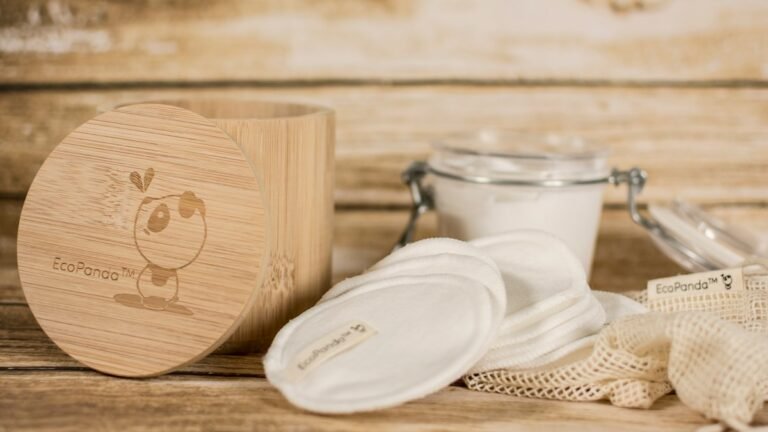
- Swap single-use pads for double-sided bamboo rounds.
- Use one side to apply liquid toner or botanical water.
- Store used pads in a breathable mesh bag so they air out before laundry day.
Kitchen and Dining
- Ditch single-use paper towels for reusable washable cloth squares.
- Replace plastic food storage containers and utensils with durable bamboo alternatives.
- Keep natural jute shopping bags in your bag or car so you never need a shop carrier bag.
Work and Study
- Move away from disposable plastic biros.
- Adopt plantable pencils made with seed capsules that grow into herbs or flowers once worn down.
- Surround your workspace with tactile, natural wood and bamboo desk tools that lower stress and cut down on cheap plastics.
Small, deliberate swaps rewire our relationship with the objects around us. You begin to value things that age gracefully rather than items designed to be discarded in five minutes.
Practical Care: Making Your Reusables Last for Years
To get the most out of your reusable tools, you need to care for them properly. Natural plant fibres behave differently from synthetics, but maintaining them requires only basic habits.
- Rinse promptly: If you use reusable rounds to wipe off heavy pigments, waterproof mascara, or clay masks, give them a quick rinse under warm tap water right away. This prevents deep stains.
- Use a mesh laundry bag: Bamboo rounds are small. If you throw them loose into the washing machine, they will vanish into the filter or get trapped inside pillowcases. Keep a small drawstring mesh bag hung by your sink, drop used rounds inside, and wash the whole bag at once.
- Choose mild detergents: Avoid harsh chemical bleaches or heavy fabric softeners. Softeners coat natural plant fibres in a waxy layer, drastically reducing their absorbency. A standard eco-friendly laundry liquid works perfectly.
- Air dry naturally: Whenever possible, lay your rounds flat or hang them in the sun. Natural sunlight is a brilliant, free disinfectant that lifts lingering stains effortlessly.
The Path Forward to Mindful Consumerism
Living sustainably is not about achieving flawless zero-waste perfection. It is about making fewer thoughtless purchases and paying attention to where raw materials originate. Clean beauty should not end with what is inside the cosmetic bottle; it must include every single applicator, cloth, and container we touch each day.
By selecting natural materials like bamboo and jute, you cast a vote for clean production lines, circular design, and less plastic in our soil and waterways. Whether you start small with facial rounds or redesign your daily work habits with plantable stationery, your routine can actively heal the environment.
Step into everyday sustainability today by choosing bamboo reusable products through Aegle Sriphal, and turn your daily routines into meaningful acts of environmental care.