Rethinking Daily Routines: The Quiet Power of Green Cleansing
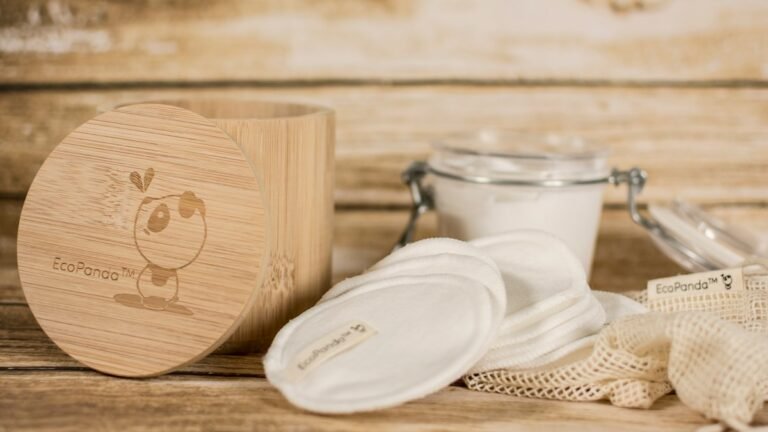
Have you ever stopped to count how many single-use items touch your skin before 9:00 AM? From disposable wipes to cheap plastic-stemmed swabs, bathroom bins fill up fast with synthetic clutter. True personal care should not create lasting rubbish for decades to come. Embracing zero-waste cleansing is not about perfection overnight; it is about choosing everyday essentials that respect your skin and the natural world. By bringing thoughtfully crafted Bamboo reusable products into your home, you immediately take responsibility for your ecological footprint while upgrading your morning ritual.
Making the leap into mindful living feels far more manageable when you focus on sustainable raw materials like bamboo and jute. These renewable fibres naturally resist bacteria, demand very little water to grow, and biodegrade without poisoning waterways. Rather than treating skincare as a chain of rapid consumption and waste, we can shift toward slower, restorative habits. This guide walks you through the practical steps of building an eco-conscious self-care routine, examining everyday alternatives, daily hygiene, and smart material swaps that genuinely hold up over time.
The Hidden Cost of Disposable Cleansing Accessories
Walk down any standard cosmetic aisle, and you will see shelves packed with single-use cotton pads and pre-moistened synthetic wipes. They look harmless enough. Yet, conventional cotton farming ranks among the most pesticide-intensive and water-depleting agricultural practices on Earth. Producing a single handful of throwaway cotton pads requires hundreds of litres of clean water.
To make matters worse, most commercial cosmetic rounds are rarely pure cotton. Manufacturers frequently blend them with polyester, bleach them with harsh chlorine derivatives, and bundle them in unrecyclable plastic film. Once used for thirty seconds to wipe off lipstick or apply toner, they get tossed into the bin. In landfills, those synthetic fibres fail to break down, breaking into microplastics instead.
Your skin often pays the price, too. Chemically treated pads can cause mild contact dermatitis, peeling, and dryness across delicate areas around the eyes. Choosing reusable, unbleached plant fibres ends this cycle of waste and irritation instantly.
The Plant-Based Advantage: Why Bamboo and Jute Lead the Way
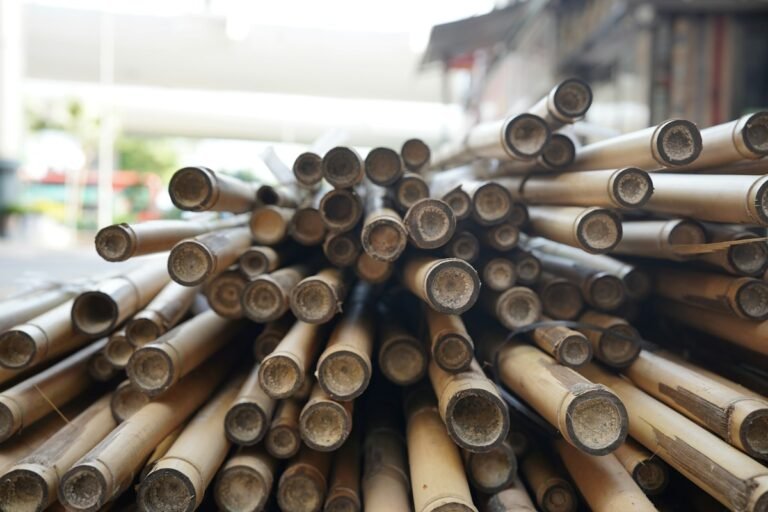
Why has bamboo become the darling of the sustainable movement across India and South Asia? The plant is an absolute powerhouse of natural growth.
- Fast regeneration: Bamboo is technically a grass, not a tree. It can shoot up by several centimetres a day, maturing without the need for synthetic fertilisers.
- Minimal water footprint: Unlike thirsty commercial cotton, bamboo flourishes on natural rainfall alone.
- Natural strength: Bamboo fibres are naturally durable, withstanding hundreds of machine washes without fraying or thinning.
- Inherent hygiene: The plant naturally repels pests and bacteria, translating into hypoallergenic cleansing tools that stay fresh.
Jute offers similar ecological wonders for home and bathroom storage. Known as the “golden fibre,” raw jute provides breathable, sturdy casing for cleansing tools. It dries quickly, preventing mould build-up in warm, humid bathrooms. When combined, these materials form a resilient foundation for long-term self-care without artificial polymers.
Comparing Daily Skincare Swaps: Seek Bamboo vs. Aegle Sriphal
If you have explored zero-waste makeup removal online, you might have run across brands like Seek Bamboo, which sell washable rounds paired with laundry pouches. Seek Bamboo certainly helped popularise the idea of moving away from disposable cotton balls, proving that reusable pads work well for toner and micellar water.
However, many international direct-to-consumer alternatives stop at the bathroom door. They provide standalone accessories without considering the wider regional lifecycle, local biodiversity, or broader environmental education.
| Feature / Focus | Seek Bamboo Rounds | Aegle Sriphal Initiative |
|---|---|---|
| Primary Material | Bamboo & Organic Cotton blend | 100% natural, locally aligned plant fibres |
| Holistic Lifestyle Integration | Bathroom personal care accessories | Full eco-conscious living range (homeware, plantables) |
| Environmental Education | Basic low-waste product information | Plantable designs and active regional outreach |
| Regional Focus | Western consumer markets | India and South Asian regional sustainability |
| Material Synergy | Simple fabric construction | Blends of renewable bamboo and breathable jute |
While imported reusable pads do the job for basic cleansing, Aegle Sriphal approaches the challenge through a deeper community-driven lens. By grounding designs in regional renewable traditions, Aegle Sriphal ensures every switch supports mindful manufacturing. You are not simply buying a beauty accessory; you are joining an active movement toward waste-free living. Exploring the diverse collection of Bamboo reusable products at Aegle Sriphal helps you rethink not just facial cleansing, but the total footprint of your home environment.
Step-by-Step: Building Your Zero-Waste Cleansing Routine
Switching from disposables to durable alternatives is surprisingly simple once you establish a rhythm. Here is how to build an effortless cleansing routine that leaves your face clean and your bin empty.
1. Apply Oils or Cleansers Directly to Skin
Do not soak your reusable pad in expensive cleansers right away. Instead, warm your oil or cleansing balm between your palms and massage it gently onto dry skin. This breaks down sunscreen, foundation, and daily grime much more effectively.
2. Warm Water Activation
Run your soft bamboo pad under lukewarm tap water and squeeze out any excess. The damp fibres become ultra-soft, gliding across sensitive skin without pulling or dragging.
3. Gentle Sweeping Motions
Wipe away dissolved makeup using smooth outward strokes. The tight weave of natural bamboo lifts impurities easily. Flip the pad over to clean remaining residues from your forehead and neck.
4. Instant Rinse
Do not let pigment or dirt dry inside the fabric. Give the pad a quick rub with plain soap and warm water right at the sink. It takes ten seconds and prevents heavy staining.
5. Air Drying in a Ventilated Space
Hang or lay your damp pads where air circulates freely. Keeping them in breathable jute or open mesh containers prevents dampness from lingering.
Washing and Maintenance: Making Reusables Last for Years
A common worry newcomers have is hygiene: Will reusable cleansing rounds get dingy, scratchy, or harbour bacteria over time? With sensible care, quality bamboo tools can easily last through hundreds of cycles.
- Weekly Machine Washing: Collect your rinsed pads in a mesh laundry bag. Toss them into your normal laundry cycle with gentle, fragrance-free detergent.
- Skip Fabric Conditioners: Liquid softeners coat plant fibres in waxy chemicals, dramatically reducing absorbency and causing residue build-up on your skin.
- Natural Sunlight Disinfection: Whenever possible, line-dry your washed pads in direct sunlight. Natural ultraviolet rays act as a safe, chemical-free sanitiser.
- Deep Refresh: Once a month, soak your cleansing pads in warm water with a splash of white vinegar or a spoonful of baking soda to strip away stubborn product oils.
Extending the Zero-Waste Mindset Beyond the Mirror
Transforming your personal care habits often sparks a wider curiosity about what else you can cut out. If you can eliminate thousands of single-use pads with a handful of washable rounds, what other single-use plastic habits can you abandon?
Consider your home stationery, your kitchenware, and your dining habits. Aegle Sriphal takes this exact philosophy and applies it across various categories:
* Swapping plastic toothbrushes for compostable bamboo handles.
* Replacing non-recyclable synthetic writing tools with plantable seed pencils that sprout into herbs and greens once finished.
* Opting for hand-woven jute storage baskets instead of petrochemical storage bins.
Living sustainably is not about throwing away everything you own to buy new green gear. It is about choosing thoughtful, circular replacements when your old belongings wear out. When you decide to invest in sustainable Bamboo reusable products, you vote for mindful supply chains that support natural ecosystems across South Asia. Start with your daily cleansing ritual, enjoy the tactile luxury of raw botanical fibres, and watch how smoothly sustainable living becomes second nature.