The Modern Plastic Dilemma: Why Everyday Living Needs an Eco-Transformation
Look around your kitchen counter, your work desk, or your bathroom shelf. What do you see? If you are like most people, you will spot a sea of synthetic polymers. From single-use cutlery shoved into takeaway bags to plastic pens and flimsy storage containers, petroleum-based goods dominate modern living. The truth is simple: we built a throwaway culture out of pure convenience. Yet, disposing of an item after ten minutes of use creates waste that lingers in landfills and waterways for hundreds of years. People want to do better, but nobody enjoys confusing advice or flimsy alternatives that snap on the first try. That is where durable, natural resources step in to reshape how we consume daily essentials.
Shifting toward bamboo reusable products offers a practical, grounded way to slash household waste without turning your routine upside down. Bamboo is strong, grows exceptionally fast, and breaks down naturally at the end of its lifecycle. When you choose consciously designed items, you take a firm stand against environmental degradation while keeping daily utility intact. If you are keen to embrace this shift, exploring Eco-Transformation: Aegle Sriphal’s Sustainable Product Initiative reveals how natural materials like bamboo and jute turn conscious living into an effortless daily habit.
The Science of Bamboo: Nature’s Rapid-Growth Wonder
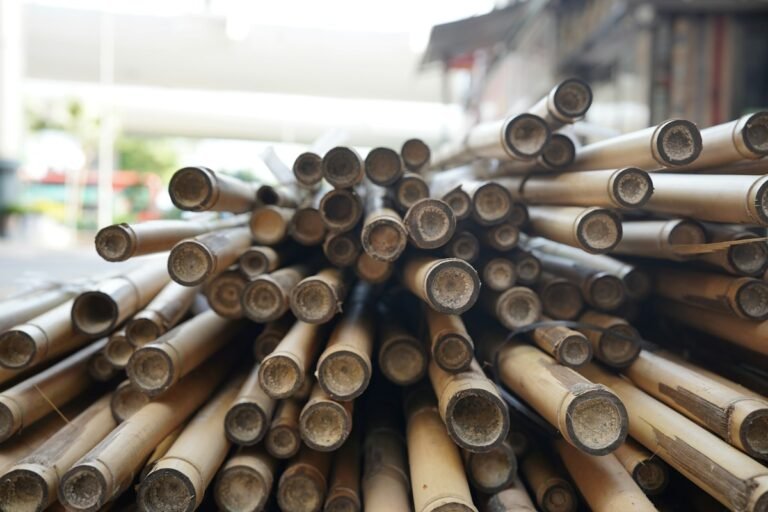
Why does bamboo get so much love from sustainability advocates? To understand its appeal, you have to look at the plant itself. Bamboo is not a tree; it is technically a grass. That single botanical detail changes everything about how it interacts with the soil and the atmosphere.
- Explosive growth cycles: Certain bamboo species can grow up to a metre a day. While a hardwood tree takes decades to mature for timber harvesting, a bamboo culm reaches full maturity in just three to five years.
- No replanting headaches: Because bamboo spreads through an extensive underground rhizome network, harvesting the stalks does not kill the root system. It simply shoots back up, preventing soil erosion and keeping root biology alive.
- Zero toxic chemicals: Bamboo thrives naturally without chemical fertilisers or harmful synthetic pesticides. This ensures that surrounding water tables remain pure and uncontaminated.
- Carbon capture champions: Bamboo stands absorb huge amounts of carbon dioxide and can release up to 35% more oxygen into the atmosphere compared to an equivalent cluster of trees.
When crafted into functional goods, this woody grass retains its natural resilience. It features innate antibacterial properties, resists surface moisture, and handles drops far better than brittle plastics or ceramics.
Looking Beyond Global Brands: Context and Purpose Matter
Around the world, businesses have realised that consumers want greener choices. You might look at international firms like Jungle Straws, who operate out of the UK and source from Vietnam. They have done good work showing Western markets that a simple bamboo drinking straw can replace single-use plastic tubes. Their products, ranging from coconut bowls to engraved straws, serve cafes and eco-aware consumers across Europe and the Americas.
However, global supply chains come with limitations. Shipping lightweight goods across continents inevitably drives up transport emissions. More importantly, high import costs and Western pricing structures often make these items inaccessible for regular households in developing regions.
This is where Aegle Sriphal approaches the challenge from a distinct angle. Rather than treating eco-friendly living as a boutique luxury, Aegle Sriphal designs everyday essentials specifically for regional realities across India and South Asia. The goal is not just selling an item; it is building grassroots environmental awareness. By focusing locally, the initiative tackles regional waste challenges, minimises transport footprints, and makes sustainable materials like bamboo and jute accessible to households, schools, and workplaces.
Core Swaps: Everyday Bamboo Reusable Products for Your Routine
Transforming your home does not mean throwing out everything you own this afternoon. True sustainability starts by using what you already have, then making a conscious swap whenever a plastic item wears out.

1. The Mobile Kitchen: Cutlery and Straws
Think about how many plastic forks, spoons, and stirrers you throw away during office lunches or travel days. They feel flimsy, snap under light pressure, and end up in the bin within twenty minutes.
A smooth, handcrafted bamboo cutlery set solves this problem effortlessly. Paired with a whole-stalk bamboo straw, a portable set slips neatly into a pocket or bag. Natural bamboo is lightweight, tasteless, and naturally water-resistant, making it a joy to use on the go.
2. Plantable Stationery and Thoughtful Living
Most pens and writing instruments are constructed from cheap plastics that cannot be recycled easily. Once the ink runs dry, the barrel joins millions of others in the local landfill.
To bridge utility and education, Aegle Sriphal integrates plantable products into daily life. Imagine finishing your daily notes with a pencil, only to plant the stub in a pot of soil and watch it sprout into herbs or flowers. This circular design transforms an ordinary writing tool into a hands-on lesson in regenerative living, helping both adults and children rethink product lifecycles.
To see how these thoughtful designs fit into a greener lifestyle, take a look at natural bamboo reusable products designed for conscious homes and discover how simple everyday items can make a tangible difference.
3. Sustainable Homeware and Organisers
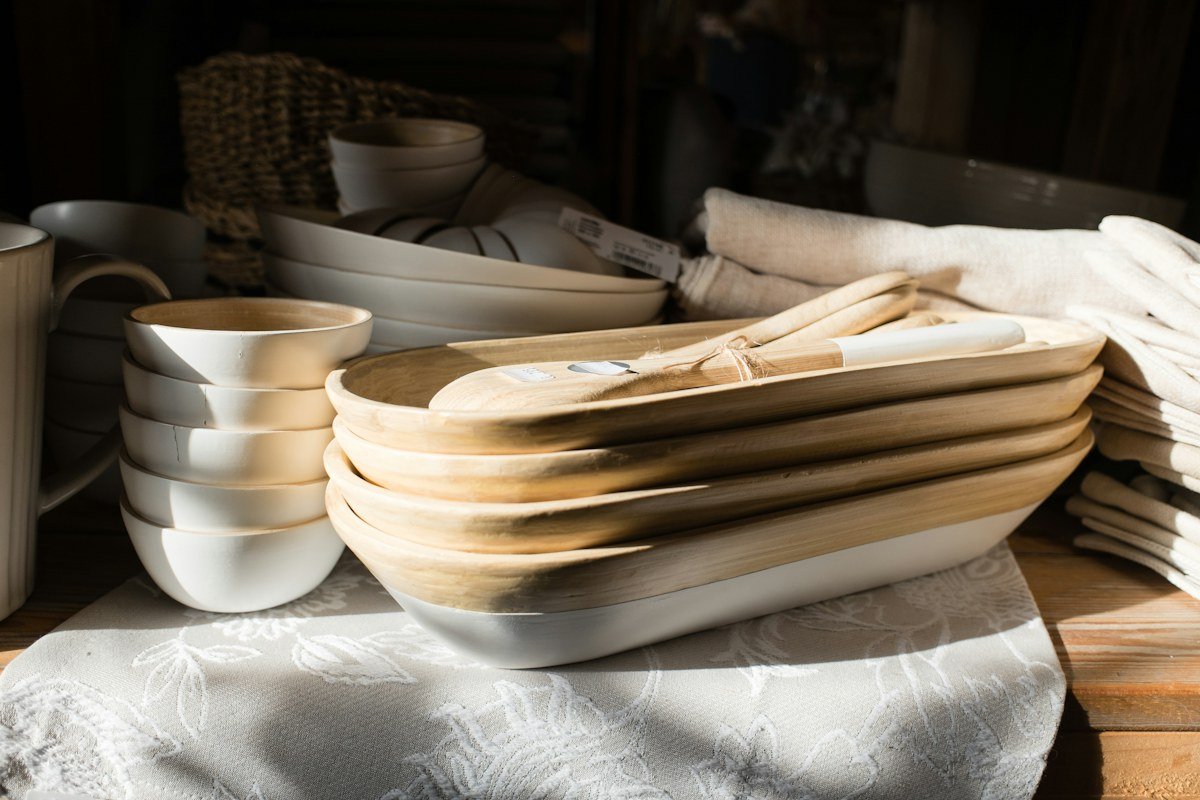
Plastic organisers crack, discolor, and degrade over time under sunlight. Bamboo homeware, from desktop trays to storage caddies, brings warmth and organic texture into living spaces. Because bamboo fibres possess tensile strength comparable to mild steel, these organisers endure daily wear while keeping your spaces tidy.
Simple Care Instructions: Making Bamboo Last for Years
A common myth is that natural materials require complicated maintenance. In reality, caring for bamboo is straightforward:
- Wash by hand: A quick wash using mild soap and warm water is usually all it takes. While some bamboo products tolerate dishwashers, high-heat drying cycles can warp the fibres over time. Hand washing preserves the natural grain.
- Dry thoroughly: Never leave damp bamboo sitting in puddles or locked in airtight containers. Let your cutlery, straws, or homeware air-dry completely in a well-ventilated spot before storing them away.
- Occasional conditioning: If your bamboo kitchenware starts looking dry after months of heavy use, rub a few drops of natural plant oil (such as coconut or mineral oil) into the surface. This restores its natural sheen and protects the grain.
- Compost at the end: When a bamboo product finally reaches the end of its useful lifespan after years of service, it does not need a landfill. It can be chopped up and added to home compost or garden soil, returning its nutrients directly to the earth.
Building a Culture of Mindful Living
Swapping a single item might feel like a tiny drop in the ocean. Yet, individual actions build collective momentum. When your colleagues see you using a reusable bamboo travel set, or when a child plants a pencil stub to grow a plant, the conversation shifts. Sustainability stops feeling like a distant corporate promise and becomes an everyday reality.
By ditching disposable polymers in favour of plant-based materials, you vote for cleaner soil, healthier oceans, and local craft communities. Whether you are outfitting your kitchen, looking for sustainable corporate gifting solutions, or simply taking your first step toward zero waste, every conscious decision counts.
Ready to make the switch? Explore the full range of natural solutions by checking out durable bamboo reusable products from Aegle Sriphal and begin your journey toward practical, plastic-free living today.