Ditching the Daily Waste: Why Natural Materials Win Every Single Time
Ever look at your kitchen bin at the end of a busy week and wonder how on earth two adults and a child created that mountain of plastic? You are not alone. From cling film and disposable paper towels to synthetic cotton rounds and plastic brushes, modern households run on throwaway convenience. But swapping convenience for sustainability does not mean making life harder. By introducing thoughtfully designed bamboo reusable products into your home, you protect your family from hidden microplastics while dramatically reducing daily household waste. It is all about simple, low-effort changes that build a healthier domestic space.
Making the change can feel daunting when store shelves are flooded with greenwashed marketing claims. Many items claim to be eco-friendly yet hide synthetic blends beneath pretty kraft paper packaging. True transformation begins with authentic, earth-first materials like raw bamboo and untreated jute. To see how functional homeware meets genuine environmental responsibility, discover the Eco-Transformation: Aegle Sriphal’s Sustainable Product Initiative and see how simple daily switches transform your living space.
The Hidden Cost of Disposable Living
Why are we so hooked on single-use items? Convenience, mostly. When you spill milk on the counter, grabbing a paper towel takes zero thought. When you wash your face, a single-use cotton round goes straight into the bin.
Here is what happens behind the scenes:
- Paper goods require massive amounts of water, timber, and harsh chemical bleaches to produce.
- Synthetic personal care pads shed microscopic plastic fibres every time they touch water.
- Landfills in our towns and cities are overflowing with items used for thirty seconds that linger for centuries.
- Typical household plastics leach synthetic compounds into our domestic spaces over time.
We trade long-term environmental wellbeing for three seconds of convenience. Once you see the sheer volume of rubbish piling up, you cannot unsee it. The fix is not perfection; it is selecting durable materials that work hard, wash clean, and biodegrade naturally when their lifecycle finally ends.
The Plant-Based Solution: Why Bamboo and Jute Matter
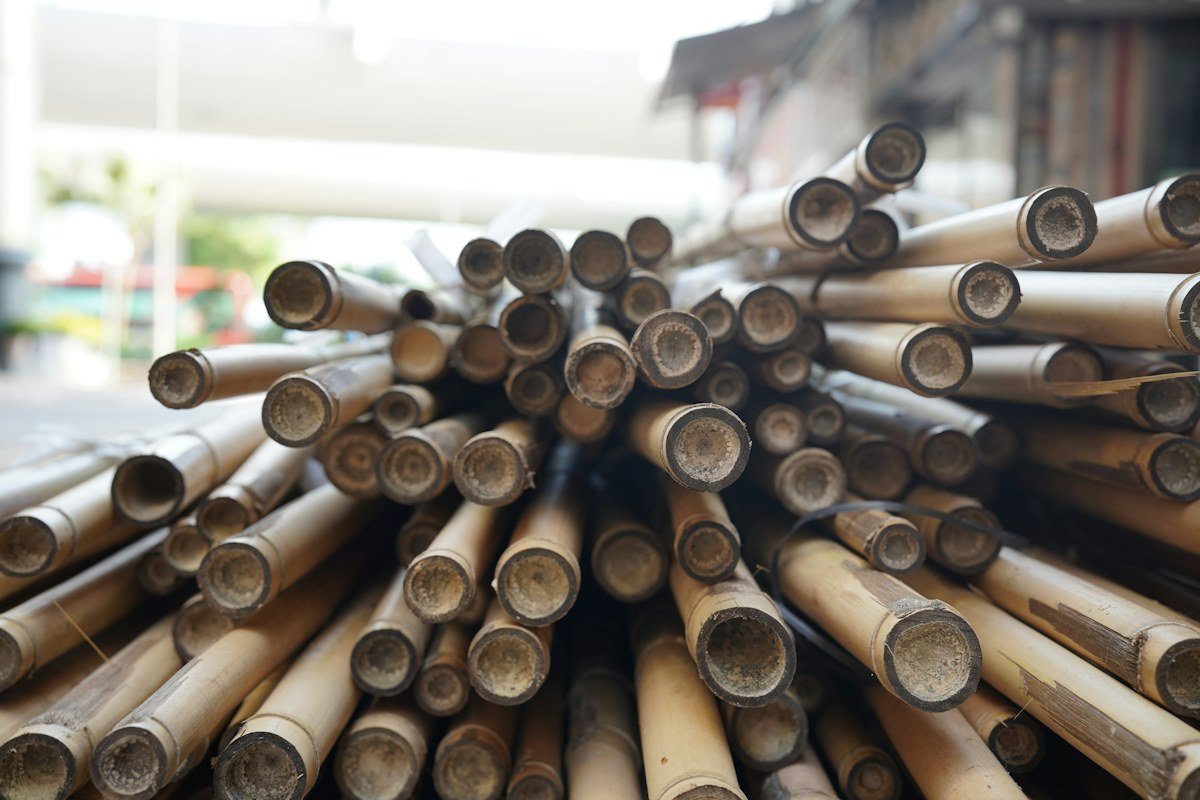
When looking for sustainable alternatives, not all natural materials perform equally well. Bamboo stands in a league of its own. It is technically a giant grass, meaning it regrows rapidly without replanting, synthetic pesticides, or artificial irrigation.

Remarkable Durability
Bamboo fibres are naturally strong. Whether milled into rigid kitchen boards or woven into silky textiles, bamboo handles daily wear and tear without snapping or unravelling.
Naturally Hypoallergenic and Gentle
For families with sensitive skin or new mothers navigating postpartum changes, standard synthetic fibres often cause chafing and irritation. Bamboo fibres remain smooth, breathable, and gentle, reducing friction against delicate skin.
Antimicrobial Resistance
Bamboo contains a natural bio-agent known as “bamboo kun,” which gives the plant an inherent resistance to pests and fungal growth. In home goods, this natural trait helps resist musty odours far better than petroleum-based polyester.
Rapid Biodegradability
When a genuine bamboo or jute item reaches the end of its useful lifespan, it breaks down organically. No toxic residues. No microplastics entering the soil. Just clean, organic matter returning to the earth.
Rethinking Everyday Personal Care
Personal care routines generate an unbelievable amount of single-use debris. Consider nursing pads for breastfeeding mothers. Standard commercial nursing pads rely heavily on plastic backings, chemical absorbent gels, and synthetic mesh topsheets. These trap moisture against cracked skin and generate piles of rubbish during early parenthood.
Some niche brands focus purely on single items, such as dedicated nursing pads made of blended fabrics. While options like washable pads solve the absorbency problem, families often find themselves buying one-off items across disjointed shops. Aegle Sriphal approaches the challenge holistically. Instead of producing isolated baby gear, the brand designs everyday homeware, stationery, and lifestyle essentials from 100% natural materials, creating a cohesive, low-waste home ecosystem.
Switching to washable bamboo personal pads and cloths brings major benefits:
- Unmatched Softness: Breathable bamboo textiles cushion tender skin without sticking or causing painful friction.
- Economic Savings: A single set of washable bamboo items replaces hundreds of disposable alternatives over a couple of years.
- Chemical Safety: Natural plant fibres keep synthetic chemicals and bleaching agents away from your skin.
- Easy Maintenance: Modern plant fibres pop straight into a standard wash cycle, drying quickly for regular reuse.
Taking small steps in your personal care routine builds momentum. Once you realise how easy washable pads are, you start looking around the rest of the house for similar opportunities.
Room-by-Room Guide to Mindful Living
Sustainable habit-building works best when taken one space at a time. Trying to overhaul your whole house in one weekend leads to burnout and expensive clutter. Let us break it down room by room.

1. The Low-Waste Kitchen
The kitchen is usually ground zero for household waste. Replace synthetic sponges, which shed plastic down your drain, with coarse jute scrubbers and durable bamboo washing brushes. Swap plastic cooking spoons for solid bamboo utensils that will not scratch your pans or leach chemicals when exposed to heat.
2. The Mindful Bathroom
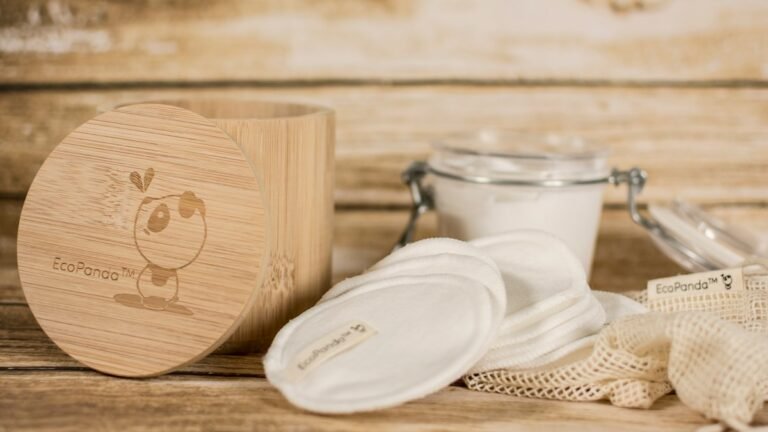
Ditch the cheap plastic toothbrushes that sit in tips for millennia. Switch to compostable bamboo handles. Replace disposable facial cotton pads with soft, washable bamboo rounds kept in a small woven container.
Families wanting to curate a truly natural bathroom can explore how bamboo reusable products from Aegle Sriphal provide durable, chemical-free everyday alternatives that simplify the morning routine.
3. The Creative Study and Workspace
Plastic pens and disposable stationery pile up quickly in family homes. Aegle Sriphal offers an ingenious swap here: plantable pencils and eco-stationery. Once the pencil wears down, your children can plant the stub directly into soil to grow herbs or flowers. It turns the simple act of finishing homework into a hands-on lesson in life cycles and conservation.
Practical Steps for Long-Lasting Habit Changes
Buying eco-friendly items is only half the battle. Making them a seamless part of your daily routine is where the real benefit happens. Here is how to make these swaps stick without driving yourself mad:
- Set Up Accessible Wash Stations: Keep a small mesh laundry bag in your bathroom and nursery. When a bamboo pad or wipe is dirty, toss it right in. When the bag is full, zip it up and run it with your standard wash.
- Avoid Harsh Bleaches: Bamboo is naturally tough, but chlorine bleach degrades the fibres over time. Wash with gentle, plant-based detergents and let items air-dry whenever possible to maximise their lifespan.
- Oil Rigid Bamboo Homeware: For bamboo cutting boards and bowls, apply a light coat of food-grade oil once a month. This keeps the wood conditioned and prevents cracking.
- Involve the Entire Family: Explain to children why you are planting the pencil stubs or using cloth napkins. When children understand the purpose behind a habit, they actively participate instead of resisting the change.
Cultivating a Cleaner Future at Home
Living consciously is not about following fleeting lifestyle trends or buying minimalist aesthetics for social media. It is about taking practical responsibility for the items we invite across our thresholds. Choosing plant-based alternatives stops the constant flow of throwaway rubbish while ensuring the materials surrounding your family are wholesome, non-toxic, and truly regenerative.
By replacing single-use disposables with durable bamboo utensils, zero-waste stationery, and gentle home goods, you create a tangible shift in everyday family life. Explore the full range of sustainable homeware and embrace lasting ecological transformation by visiting Aegle Sriphal’s plant-based family solutions today.