The Green Shift: Why We Need Real Material Upgrades
Single-use waste adds up fast. Most of us toss disposable cotton rounds, plastic toothbrushes, and paper towels into the bin without a second thought. Yet, these throwaway items sit in landfill sites for decades, leaching chemicals and wasting vital raw resources. Embracing conscious living starts right in your own home with everyday habits that you can actually stick to over time. By switching to natural materials like bamboo and jute, you cut down household waste instantly while saving money on your weekly shopping bills.
Crafting your own homeware and skincare essentials is one of the easiest ways to build a zero-waste routine. If you want to dive straight into sustainable living, exploring Eco-Transformation: Aegle Sriphal’s Sustainable Product Initiative will show you how choosing high-grade bamboo reusable products can turn everyday domestic chores into earth-friendly rituals. With just a few simple craft skills, you can ditch synthetic fibres entirely and welcome durable, natural plant fibres into your living space.
Why Bamboo Beats Conventional Cotton and Synthetics
Not all natural fabrics behave the same way. Conventional cotton demands tonnes of fresh water, chemical fertilisers, and heavy pesticides to harvest. Synthetic microfibres, on the other hand, shed microscopic plastic fragments into municipal water systems with every rinse.
Bamboo changes the equation completely. Here is why it stands out:
- Incredible Growth Rate: Bamboo shoots mature rapidly without chemical fertilisers, making it one of the most renewable crops on earth.
- Natural Softness: The spun fibres boast a silky texture, making them ideal for delicate facial skin and everyday hygiene.
- Natural Durability: Unlike fragile cotton sheets that tear after three cycles, woven bamboo survives dozens of machine washes.
- Breathability and Hygiene: Bamboo fibres resist damp smells naturally, which is a massive plus for damp bathroom corners.
When you bring bamboo reusable products into your domestic setup, you are choosing durable materials that do not harm the planet when their lifecycle finally ends.
DIY Project 1: Zero-Waste Bamboo Makeup Remover Pads
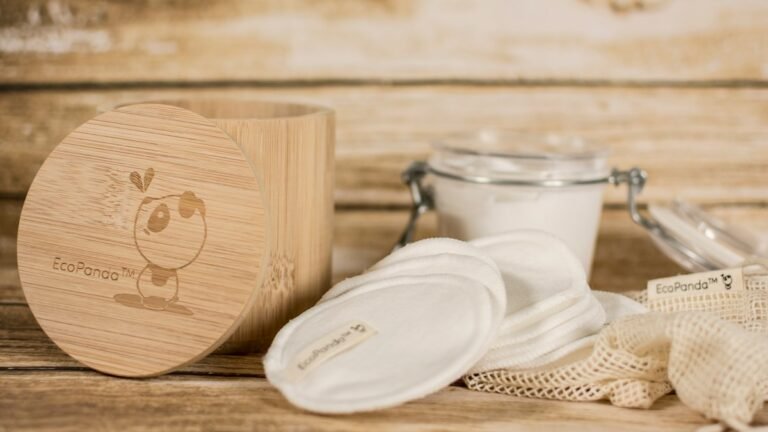
Single-use cosmetic wipes are packed with hidden polyester threads. Let us replace them with washable bamboo pads using a few metres of natural fabric.

What You Need
- One or two unbleached bamboo face cloths or half a metre of organic bamboo fleece.
- Fabric scissors or a rotary cutter.
- A ruler and tailor’s chalk.
- A standard home sewing machine (threaded with organic cotton thread).
- Sewing pins.
Step-by-Step Instructions
- Measure Your Squares: Lay your bamboo cloth flat on a clean table. Use your ruler and chalk to mark out 10 cm by 10 cm (4×4 inches) squares. Squares prevent any awkward fabric offcuts, giving you absolute zero waste.
- Cut With Care: Slice along your lines using sharp fabric scissors. Bamboo terry cloth can shed loose fluff during this step, so keep a small bin handy nearby.
- Pin Fabric Pairs: Pair two squares together with the softest sides facing outwards. If you prefer a thinner single-layer pad, you can sew around individual squares instead.
- Secure the Raw Edges: Take your paired squares to the sewing machine. Select a close zigzag stitch or an overlock stitch. Sew along all four sides, roughly 3 to 5 mm from the edge. Go around the perimeter twice to lock in loose threads and eliminate fraying completely.
- Snip the Threads: Cut away trailing threads and shake off any loose fluff over the bin.
How to Use and Wash Them
Dampen your pad with warm tap water before applying your cleanser or toner. The water prevents the pad from drinking up all your liquid skincare product.
Once finished, rinse the pad with mild soap and let it air-dry. Keep a small mesh laundry bag in your bathroom to hold used pads. When wash day arrives, toss the sealed mesh bag into a 40°C machine cycle alongside your light towels.
DIY Project 2: Bamboo Kitchen Cloths and Scrubbers
Paper kitchen roll is expensive and wasteful. You can construct sturdy, reusable kitchen wipes from scraps of bamboo fabric combined with tough jute weave.
Why Combine Bamboo and Jute?
Pairing ultra-absorbent bamboo towelling with rough jute creates the ultimate double-sided cleaning cloth. The jute side lifts stubborn grease off frying pans without scratching seasoned surfaces, while the plush bamboo side absorbs spills in seconds.
To learn more about transforming your household with natural textiles and functional homeware, check out Aegle Sriphal’s bamboo reusable products collection for sustainable living guidance.
Quick Construction Guide
- Cut matching 15 cm by 15 cm squares from bamboo terry cloth and natural jute fabric.
- Place them together and secure the edges using your machine’s zigzag stitch.
- Sew an “X” shape across the centre of the square from corner to corner. This holds the two contrasting layers flat and prevents bunching when you wring out hot water.
Hang your finished cloth over the kitchen tap after use so it dries cleanly between meal preps.
Proper Care and Maintenance for Natural Bamboo Living Essentials
Natural plant fibres need basic care to ensure they last for years without losing their natural softness. Follow these core laundering rules:
- Avoid Chlorine Bleach: Harsh bleaches weaken natural cellulose fibres, making them brittle and scratchy over time. Use oxygen-based stain removers or baking soda instead.
- Skip Chemical Fabric Conditioners: Liquid softeners coat bamboo fibres in synthetic wax, reducing their natural absorbency. A splash of white vinegar in the rinse drawer keeps them soft and naturally fresh.
- Wash at Sensible Temperatures: A standard 30°C or 40°C wash cleans everyday dirt effectively while saving domestic power.
- Air-Dry When Possible: Line drying in a breezy spot preserves fabric strength and uses zero electricity.
Beyond the Bathroom: Building a Fully Reusable Household
Small DIY wins build real momentum. Once you swap out disposable makeup pads, look around the rest of your home for plastic items you can easily replace.

Consider these everyday adjustments:
- Bamboo Toothbrushes: Trade out plastic handles for compostable bamboo alternatives that break down safely in garden soil.
- Plantable Stationery: Swap regular disposable pens for plantable pencils packed with herb seeds, turning spent stationery into fresh garden plants.
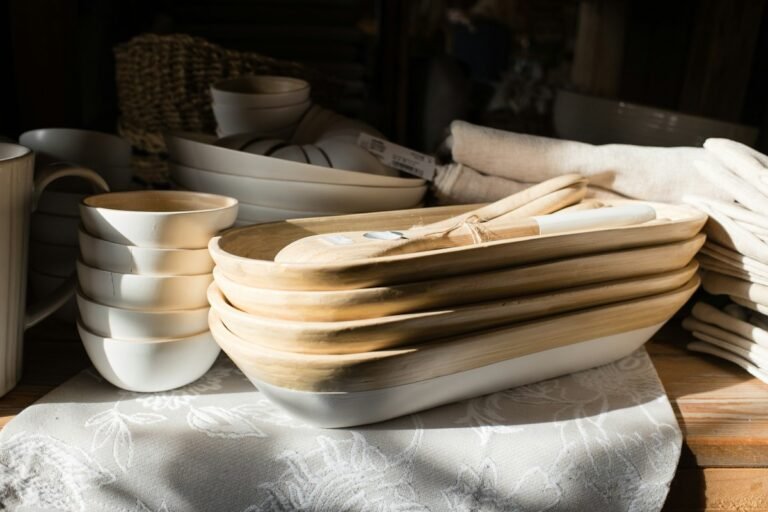
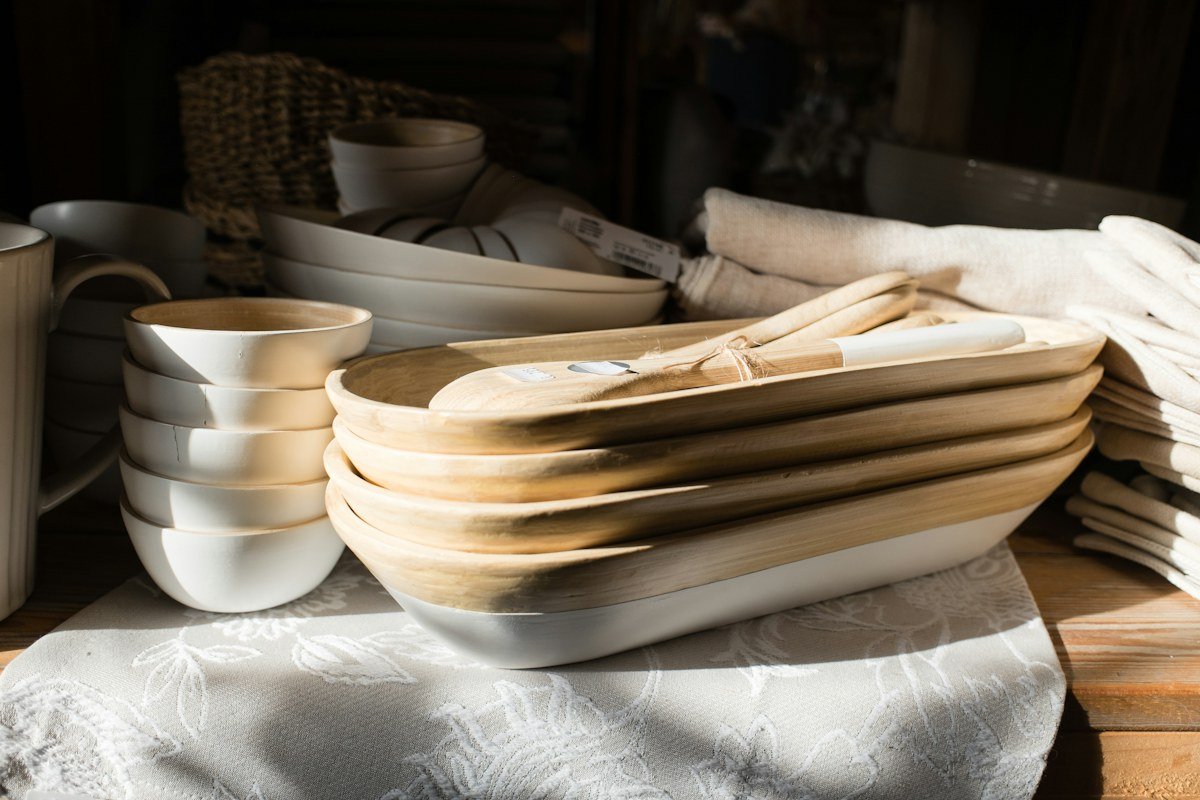
- Solid Bamboo Homeware: Choose bamboo cutting boards, serving bowls, and utensils instead of melamine and plastic alternatives.
- Jute Storage Totes: Keep your DIY reusable pads and toiletries organised in breathable woven jute baskets.
Each minor adjustment keeps persistent rubbish out of local landfill sites. Making your own household essentials also connects you directly to the things you use daily, giving you practical control over your environmental footprint.
If you are ready to take conscious consumerism further, explore durable bamboo reusable products with Aegle Sriphal and build a healthier, waste-free lifestyle today.