Ditching Single-Use Plastic: Why Your Commute Needs Better Cutlery
We have all been there. You grab a quick takeaway lunch during a hectic working day, sit down at your desk or a park bench, and find a flimsy white plastic fork tucked inside the bag. Two bites into your salad, a prong snaps right off. Beyond the sheer annoyance, single-use plastic utensils represent a massive environmental headache that clutters landfills, chokes waterways, and lingers for centuries. Making a personal switch to bamboo reusable products turns this daily irritation into a small, meaningful stand for conscious living.
When you carry your own handcrafted dining gear, you control your personal footprint without sacrificing convenience. By choosing the Eco-Transformation: Aegle Sriphal bamboo travel kits and kitchenware, you replace throwaway convenience with durable, naturally antimicrobial essentials made for modern travel. In this guide, we break down why swapping cheap plastic for natural materials matters, how commercial travel sets compare, and how simple habits help you build a greener routine wherever your day takes you.
The Problem with Convenience Dining
Takeaway culture keeps our busy lives moving, but it generates an astonishing volume of waste. Most single-use forks, spoons, and knives are manufactured from polystyrene or polypropylene. These materials rarely get recycled due to food contamination and their awkward shapes, which jam automated sorting machinery.
Instead, they head straight to municipal tips or wash into rivers. They fragment into microplastics, absorbing toxins and entering the food chain. That brief five-minute meal leaves behind a physical remnant that outlives your grandchildren.
Carrying personal cutlery solves this issue at the source. Rather than trying to figure out if a greasy plastic fork can be recycled (spoiler alert: it usually cannot), you simply decline it.
Why Bamboo Makes Natural Sense
When looking at alternatives to plastic cutlery, people often wonder: why not just pack metal silverware from the kitchen drawer?
You certainly can, but standard stainless steel has drawbacks on the move. It is heavy, rattles noisily in your bag, scratches laptops or water bottles, and airport security checks often frown upon metal table knives in carry-on luggage.
Bamboo offers distinct benefits:
- Incredible lightness: It weighs a fraction of steel, meaning you will actually keep it in your rucksack without noticing the bulk.
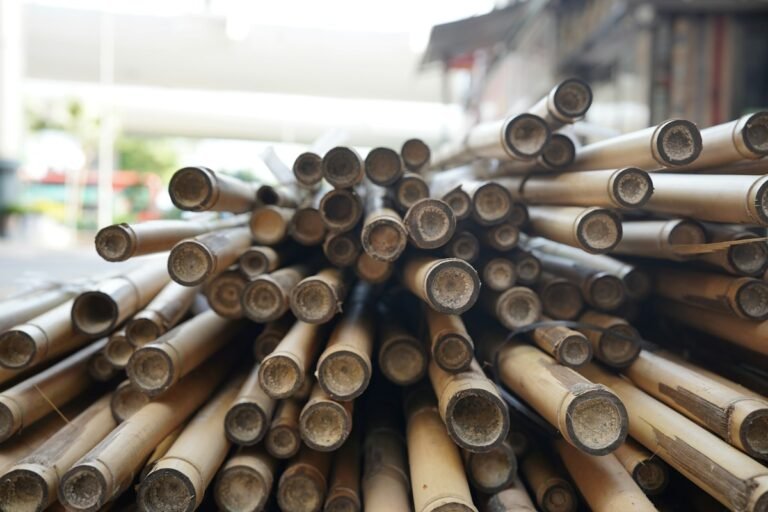
- Rapid renewability: Bamboo is technically a grass, not a tree. Certain species can shoot up by nearly a metre in twenty-four hours without requiring chemical pesticides or massive irrigation.
- Natural strength: The fibrous structure gives it remarkable tensile strength, preventing it from snapping through dense food.
- Naturally hygienic: It resists bacterial growth and does not absorb lingering food flavours or metallic odours.
- Gentle on other gear: Bamboo utensils will not scrape your insulated flasks, ceramic mugs, or travel containers.
Comparing On-the-Go Dining Options: Western Brands vs Regional Craftsmanship
International retail brands like ChicoBag and To-Go Ware popularised the concept of reusable utensil rolls in Western markets. Their kits showed that consumers love the practicality of keeping a fork, knife, and spoon in a neat fabric pouch. These products highlighted the sheer utility of keeping dining tools ready in a pocket or glove compartment.
However, many mass-market utensil sets come with hidden compromises. High import emissions, plastic-blended carry pouches, and detached supply chains often dilute the environmental benefits of purchasing green goods.
Here is how mainstream commercial utensil sets compare with purpose-led regional alternatives:
1. Material Purity and Sourcing
Many commercial utensil sets apply synthetic chemical varnishes or polyurethane coatings to give their bamboo a glossy finish. This prevents stains initially, but it means you are eating off synthetic resins, defeating the point of choosing raw natural materials. Aegle Sriphal relies on 100% natural materials and eco-friendly production methods that preserve the organic texture of the wood without toxic sealants.
2. Supply Chains and Carbon Footprint
Importing overseas lifestyle sets creates a heavy freight footprint across oceans. For consumers in India and South Asia, supporting regional production makes vastly more sense. Choosing locally crafted goods keeps transport emissions down while directly supporting traditional artisans who work with native bamboo and jute.
3. Purpose Beyond the Product
Commercial options usually operate as simple consumer transactions. In contrast, Aegle Sriphal pairs functional kitchenware with community education, working alongside schools, colleges, and regional organisations to promote conscious consumerism.
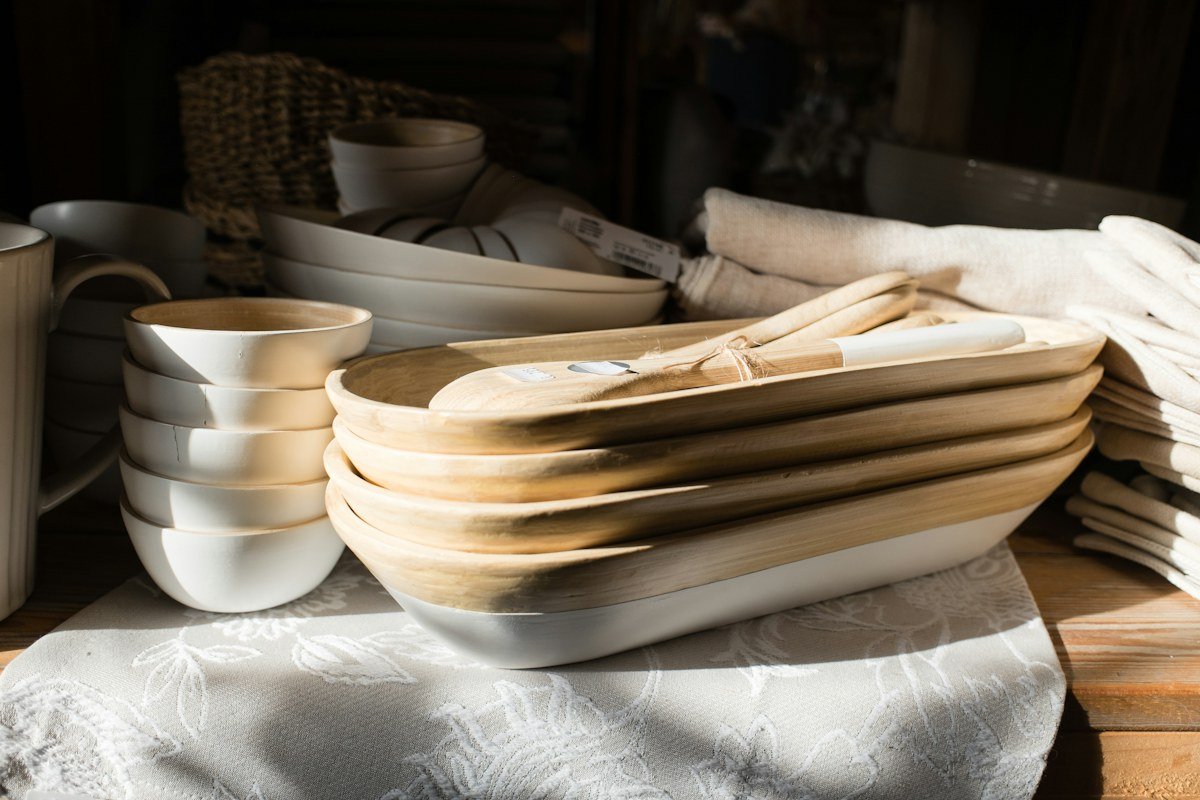
If you want to curate a practical kit for daily commuting or outdoor trips, check out our bamboo reusable products collection at Aegle Sriphal to discover plastic-free tableware designed for real life.
What to Look for in a Practical Travel Cutlery Kit
Not all reusable utensil kits are built the same. If a kit is awkward to clean or bulky to transport, it ends up forgotten in a kitchen drawer.
When choosing your travel dining set, look for these design details:
Ergonomic Shape and Usable Prongs
Some novelty wooden forks have shallow, blunt tines that fail to pick up food, turning your lunch break into a battle. Ensure your fork has tapered prongs that pierce food easily, and check that the spoon bowl is deep enough for broth and porridge.
Durable Natural Storage
Your cutlery needs a breathable home. Keeping utensils sealed in damp plastic bags creates mildew. Natural fabrics like untreated canvas, organic cotton, or breathable jute pouches allow residual moisture to evaporate while protecting the items from loose dust inside your bag.
Simple Care and Longevity
Can you clean it quickly in an office basin? Bamboo repels liquids naturally, meaning a fast rinse with warm water and a wipe with a tea towel prepares it for the journey home.
Simple Habits to Keep You Prepared on the Go
Buying a reusable kit is step one; remembering to use it is where the real habit forms. Here are practical ways to ensure you never accept throwaway plastic again:
- Pack it where you keep essentials: Slide your utensil pouch beside your house keys, reusable water bottle, or laptop charger. When it stays with items you never leave behind, packing it becomes second nature.
- Practise the “No Cutlery” reflex: Food delivery apps and takeaway counters automatically toss in plastic cutlery unless you say no. Get into the habit of actively ticking the opt-out box on apps and telling counter staff upfront: “I have my own utensils, thank you.”
- Keep an office backup: If you commute between home and a regular workplace, keep one compact kit inside your work desk. That way, unexpected team lunches never catch you unprepared.
- Clean immediately: After finishing your meal, take thirty seconds to wash your fork or spoon under a tap. If you are stuck outdoors without water, wipe it clean with a napkin and wash it thoroughly once you reach home.
Caring for Bamboo Kitchenware
Because bamboo is a natural, organic material, it rewards sensible care with years of reliable service.
- Hand wash only: Never run your travel cutlery through a commercial dishwasher. The intense heat, harsh detergents, and prolonged soaking cycles can dry out natural plant fibres and cause splitting.
- Air dry thoroughly: Before rolling your utensils back into their pouch, ensure they are completely dry to preserve the natural grain.
- Occasional conditioning: If your utensils begin to look dull after months of daily use, rub a single drop of coconut or mineral oil across the surface with a cloth. This keeps the wood supple and repels water stains.
Practical Steps Toward Conscious Living
True environmental sustainability rarely comes from grand, sweeping gestures. It is built through small, repeated actions that challenge our default throwaway habits. Carrying handcrafted tableware, saying no to single-use plastic, and supporting mindful production values show that practical utility and ethical living work hand in hand.
Ready to upgrade your daily commute and kick single-use plastic out of your routine for good? Explore the full range of Aegle Sriphal bamboo reusable products and take the first step toward an eco-friendly dining lifestyle today.