The Zero Waste Myth vs Everyday Reality
Look under your kitchen sink. Go on, take a peek. You will probably find a mountain of plastic bottles, tangled carrier bags, and half-empty chemical sprays. We have all been there. Society tells us that saving the planet requires perfection: living out of a single 500ml glass jar of rubbish for five years. That is intimidating, unrealistic, and frankly exhausting. Real-world eco-living is not about pure perfection; it is about millions of ordinary people swapping disposable junk for durable items. Picking up practical sustainable lifestyle essentials helps you cut down daily waste without turning your routine upside down.
When you look at community groups tackling waste across neighbourhoods, one pattern stands out: real change begins at home. People are ditching throwaway culture and talking openly about what actually works. Instead of falling for greenwashed fads, conscious consumers across India and South Asia are reclaiming practical habits. We are rediscovering natural materials like bamboo and jute, rethinking daily hygiene, and realising that true sustainability is simple, functional, and grounded in everyday choices.
Why Community Wisdom Trumps Fancy Green Marketing
Have you ever bought an “eco-friendly” gadget only to have it break in three weeks? That is the hallmark of modern green marketing. Big corporations slap a green leaf on virgin plastic packaging and suddenly call it green living.
Grassroots community groups see straight through this. When real people share their daily routines online, the conversation changes:
- They swap notes on which materials actually hold up against heavy use.
- They highlight how local waste management systems fail, helping you prevent rubbish before it even enters your home.
- They celebrate small wins, like avoiding cling film for an entire month.
Real sustainability is practical. It focuses on items made from renewable, earth-born materials that return cleanly to the soil when their lifecycle ends.
Tackling the Plastic Plague at Home
Plastic does not simply disappear. It breaks down into tiny microplastics that contaminate soil, drinking water, and food chains. In regions where waste collection infrastructure struggles to manage volume, everyday throwaway plastics cause blocked waterways and overflowing landfills.
The solution is not complicated. You do not need to replace every plastic container you already own today; throwing away working items creates unnecessary waste. Instead, replace items as they wear out. Choose biodegradable options that serve a clear daily purpose.
The Problem With Single-Use Bathroom Items
Bathrooms are ground zero for household waste. Think about the sheer volume of plastic toothbrushes thrown out every year: billions worldwide. Add disposable plastic razors, liquid body wash bottles, and synthetic loofahs. They linger in the ground for hundreds of years.
Switching to durable bathroom goods eliminates this constant stream of rubbish:
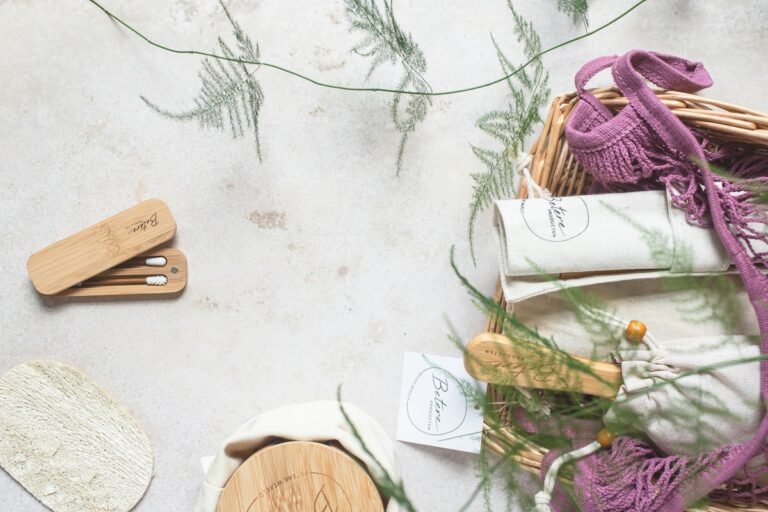
- Bamboo toothbrushes: Naturally antimicrobial, durable, and fully compostable at the end of their lifespan.
- Solid shampoo and soap bars: They eliminate bulky plastic bottles entirely while lasting twice as long.
- Natural fibres: Sisal or jute scrubbers replace microplastic-shedding synthetic sponges.
Small switches add up. When your family stops buying bottled wash and plastic brushes, you keep dozens of non-recyclable items out of landfills each year.
Transforming the Workspace and Daily Routines
Rubbish does not stay confined to the kitchen or bathroom. Workplaces and home desks are packed with plastic pens, sticky notes, and synthetic organisers that end up in the bin after minimal use.
Consider stationery. How many cheap plastic ballpoint pens are sitting dried up in your desk drawer right now? Billions of cheap pens end up discarded globally every single season.
This is where thoughtful, regenerative design makes a difference. Plantable pencils, for instance, flip disposable culture on its head. Instead of tossing a tiny wooden stub into the trash, you pop it into a pot of soil. Within days, you have fresh herbs or flowers sprouting on your windowsill. It is a simple object that turns waste into active growth, making mindful habits fun for families and workplaces alike.
When looking to furnish or organise your workspace, selecting durable Aegle Sriphal sustainable product alternatives made from renewable bamboo homeware ensures your daily tools are functional without causing long-term ecological harm.
Natural Materials: Why Bamboo and Jute Lead the Way
Why do conscious communities consistently praise bamboo and jute? Because they are renewable, tough, and natively suited to regional climates across South Asia.
| Material | Growth Rate | Environmental Footprint | Durability | End-of-Life Impact |
|---|---|---|---|---|
| Bamboo | Up to 90 cm a day | Needs no pesticides, minimal water | Highly durable, water-resistant | 100% compostable and biodegradable |
| Jute | Harvested in 4-6 months | Low resource input, enriches soil | Exceptional tensile strength | Naturally degrades without toxins |
| Virgin Plastic | Instant synthesis | High petroleum use, high emissions | Cracks and degrades into microplastics | Lasts centuries in landfills |
Bamboo: The Renewable Powerhouse
Bamboo is not a tree; it is a grass. That means when you harvest it, you do not kill the root system. It regenerates immediately, absorbing carbon dioxide and producing oxygen at rates that outperform standard timber. Bamboo homeware, cutlery, and personal care items survive drops, resist moisture, and do not leach petrochemicals into your food or living spaces.
Jute: The Golden Fibre
Jute has carried groceries across the subcontinent for generations. Synthetic tote bags claim to be green, yet they often contain polypropylene fibres that shred into the environment. Jute bags, on the other hand, are tough, naturally breathable, and entirely plant-based. Carrying a reliable jute tote eliminates the need for thin plastic bags that tear before you even make it home from the market.
How to Build a Low-Waste Routine That Actually Sticks
Ditching single-use plastics requires simple systems, not heroic willpower. If you try to change everything overnight, you will quickly burn out. Follow these straightforward steps to make low-impact living second nature:
- Conduct a Quick Bin Audit: Look at what you throw out most frequently. Is it takeaway cutlery? Cling film? Disposable cleaning wipes? Pick just one category to fix first.
- Carry an Out-and-About Kit: Keep a compact kit in your bag or vehicle. A reusable bamboo fork, a stainless steel cup, and a foldable jute bag handle 90% of spontaneous single-use situations.
- Choose Real Materials: When something breaks, replace it with items built from natural wood, metal, or raw fibres.
- Support Community Systems: Share tips with neighbours, participate in local cleanup drives, and support initiatives focusing on eco-conscious manufacturing.
Living consciously is an ongoing journey of mindful choices. It is about understanding that everyday goods have a backstory, from the materials harvested to make them to where they end up when you are done. By focusing on durability, renewable resources, and practical swaps, we protect local ecosystems while encouraging regional industries dedicated to genuine sustainability.
Ready to make a positive shift in your daily routine? Explore handcrafted bamboo goods, circular stationery, and reliable sustainable lifestyle essentials from Aegle Sriphal to start your zero waste journey today.