Why Ditching Plastic for Everyday Essentials Is Easier Than You Think
Look around your desk, your bathroom, or your kitchen counter right now. Chances are, you are surrounded by cheap plastic items built to last a few months before sitting in a landfill for five centuries. Most of us want to live more responsibly, but finding functional, attractive replacements often feels like hard work. We get sold flimsy novelties or over-packaged gear that defeats the whole purpose. The secret to lasting change is not upending your entire life overnight; it comes down to switching your daily tools to sustainable lifestyle essentials designed by Aegle Sriphal that feel great to handle and actually last.
When you bring organic materials like bamboo and jute into your regular routine, conscious living stops feeling like a chore. From natural drinkware to plantable stationery, these switches strip away microplastics and cut household waste without sacrificing convenience. In this guide, we break down why traditional consumer habits are falling short, how everyday swaps stack up against mass-market alternatives, and why simple, nature-first craftsmanship across India and South Asia is setting a brand-new standard for personal sustainability.
The Hidden Cost of Disposable Daily Routines
Let us be completely honest with ourselves: standard retail products are designed for planned obsolescence. Plastic toothbrushes, synthetic bathroom loofahs, cheap gym bottles, and painted plastic pens dominate the shelves simply because petrochemicals are cheap to mould.
Every single plastic toothbrush ever made still exists somewhere on this planet. When you brush, scrape, or sip from standard synthetic containers, you also expose yourself to gradual microplastic shedding and chemical leaching.
The environmental toll across South Asia is massive. Municipal waste streams struggle under tons of low-grade polymer packaging and throwaway daily accessories. Shifting our focus to natural plant fibres directly tackles this challenge. Materials such as seasoned bamboo and spun golden jute are:
- Completely biodegradable when discarded naturally.
- Naturally antimicrobial, keeping daily bathroom and kitchen gear hygienic.
- Incredibly fast-growing, requiring minimal water and no chemical pesticides.
- Sturdy enough to handle daily drops, hot tea, and gym bags.
Choosing renewable items turns your home from a source of perpetual plastic waste into a closed-loop sanctuary.
Everyday Essentials: The High-Street Alternative vs Natural Craftsmanship
Many regional marketplaces stock basic, mass-produced items like wheat-straw cups or untreated neem wood combs. While these provide a decent first step away from raw plastics, they often cut corners on structural reinforcement or blend synthetic binders into the wheat pulp. True sustainability demands uncompromised, 100% natural compositions.
Here is how common daily necessities compare when built with pure botanical engineering:
Daily Hydration: Plastic Flasks vs Bamboo Vessels
Standard gym shakers and budget bottles retain foul odours, crack under pressure, and degrade quickly in warm weather. A handcrafted bamboo water bottle or insulated shaker pairs an organic wooden exterior with a food-grade, long-lasting core. Bamboo insulates your drinks naturally, feels warm and textured in your grip, and looks stylish on an office desk or at the gym.
Oral and Personal Care: Synthetic Fibres vs Plant Fibres
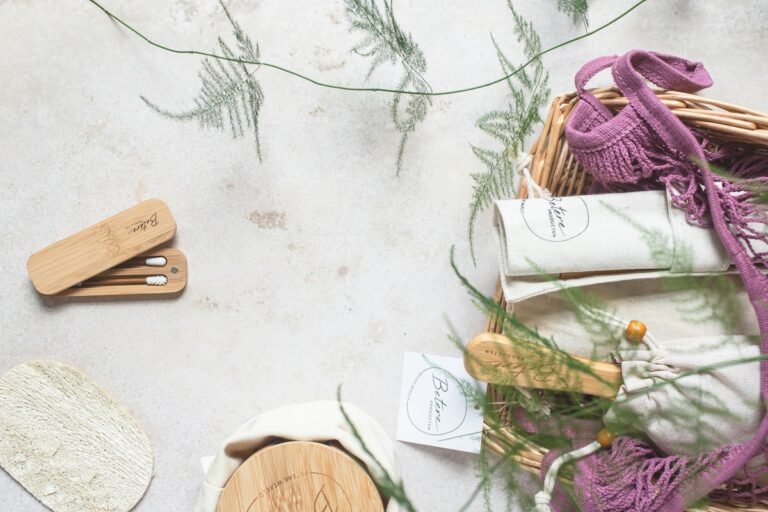
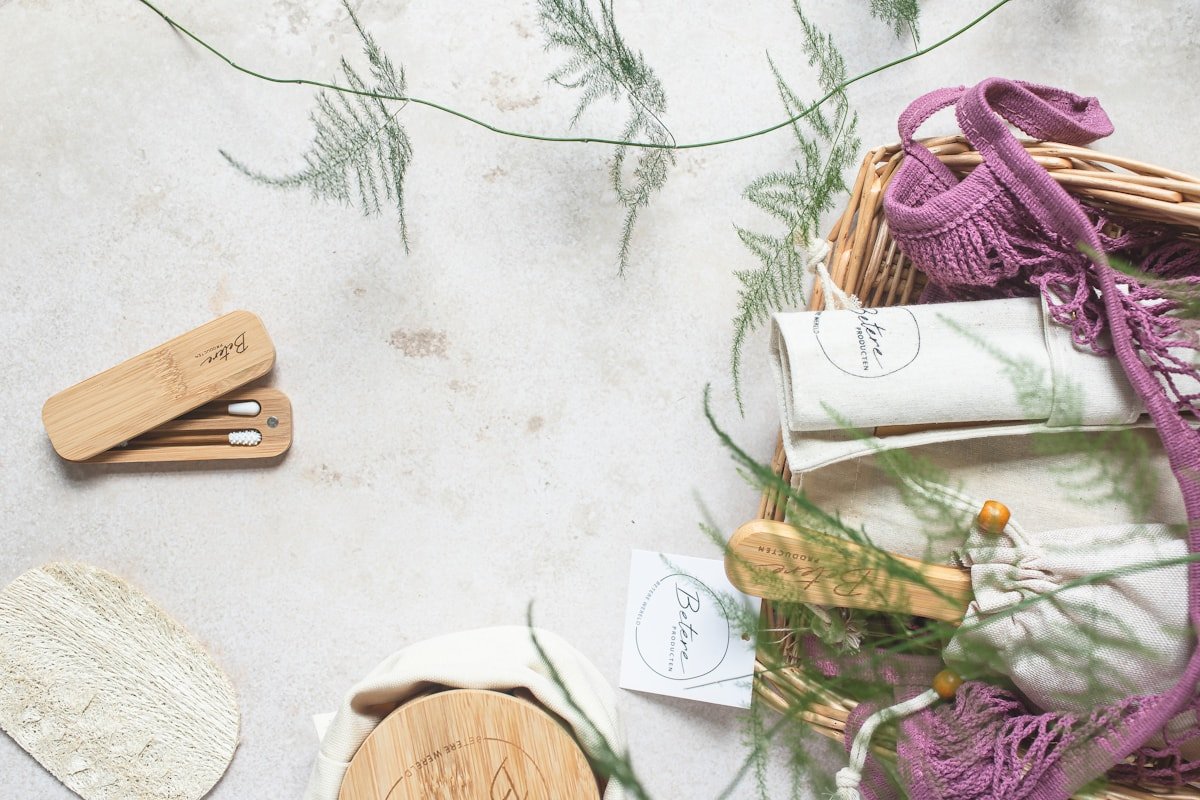
Most people replace their plastic toothbrush four times a year. That is a steady stream of non-recyclable rubbish. A polished bamboo brush paired with a natural tongue cleaner eliminates synthetic polymers from your morning wash routine entirely. For bathing, switching synthetic bath sponges out for natural dried vegetable loofahs keeps synthetic microfibres from washing straight into local waterways.
Workspace Habits: Throwaway Pens vs Plantable Goods
Think about the dozens of ballpoint pens buried in your drawers, destined to dry out and sit in rubbish dumps. Plantable pencils and seed-embedded paper flip the script on office waste. When a pencil reaches its stub, you simply plant it in a pot of moist soil. Within days, your discarded writing tool sprouts fresh basil, marigolds, or tomatoes. It turns waste disposal into actual gardening.
To begin upgrading your personal accessories, explore the handcrafted sustainable lifestyle essentials from the Aegle Sriphal range to discover how raw bamboo and jute replace single-use plastics seamlessly.
The Power of Jute: South Asia’s Golden Fibre
We cannot talk about conscious living without celebrating jute. For generations, jute was the undisputed king of transport and packaging across the Indian subcontinent. Then came single-use polymer carry bags, choking local drainage systems and littering city streets.
Jute is making an enormous comeback, and for good reason:
- Incredible Tensile Strength: Jute fibres can haul heavy grocery loads, laptops, and gym gear without tearing.
- Zero Chemical Processing: Quality jute needs very little chemical treatment to yield soft, flexible, woven fabrics.
- Rapid Soil Enrichment: Jute crops actively absorb carbon dioxide and leave fields enriched with organic matter for the next planting rotation.
Replacing disposable polythene bags with a sturdy jute tote is one of the easiest habits to form. Keep one by the front door, one in your vehicle, and one in your backpack. You will never need to accept a flimsy plastic shopping bag at the market again.
Bridging the Gap: Educating the Next Generation
Sustainable design only creates lasting impact when paired with environmental awareness. If people buy an eco-friendly product without understanding its life cycle, habits do not truly change. That is why grassroots education matters just as much as ethical manufacturing.
Schools, colleges, and forward-thinking enterprises across South Asia are starting to recognise this dynamic. Instead of handing out plastic trophies or disposable swag at corporate conferences, organisations are shifting towards zero-waste welcome kits. Handing a student or an employee a plantable pencil or a bamboo desk organiser sparks an immediate conversation about where raw materials come from and where they end up.
When you touch sanded bamboo grain or woven jute rope, you connect directly with nature. It is a tangible, daily reminder to slow down, consume less, and care for local ecosystems.
Practical Steps to Build a Zero-Waste Morning Routine
Transforming your habits does not mean throwing away everything you already own. That would create unnecessary waste. The most practical approach is simple: swap items out as they wear out.
- Step One: Bathroom Transition. When your current toothbrush bristles fray, bin it and move to a compostable bamboo handle. Swap shower gels in plastic bottles for raw cold-process soap bars and an organic loofah sponge.
- Step Two: Hydration and Travel. Stop buying bottled mineral water when travelling. Carry a reusable bamboo insulated flask that keeps clean water chilled through the day.
- Step Three: Conscious Storage. Swap plastic pantry bins and tiffin bags for breathable jute storage sacks that naturally protect vegetables, dry grains, and packed lunches from humidity.
- Step Four: Mindful Workspaces. Replace cheap throwaway pens with refillable bamboo pens or seed pencils that return organic matter back to the earth.
Each micro-decision reduces demand for petroleum extractions and supports artisanal production networks that value local ecosystems.
Embracing a Greener Tomorrow
Living consciously is not about flawless zero-waste perfection; it is about paying attention. It is about understanding that the small objects you handle ten times a day shape the world around you. By choosing renewable, compostable materials like seasoned bamboo and tough jute, you actively steer your community towards environmental resilience.
Take the first step towards a cleaner, plastic-free home today by discovering practical sustainable lifestyle essentials through Aegle Sriphal’s eco-conscious collection and redefine your everyday habits with purposeful, nature-first craftsmanship.