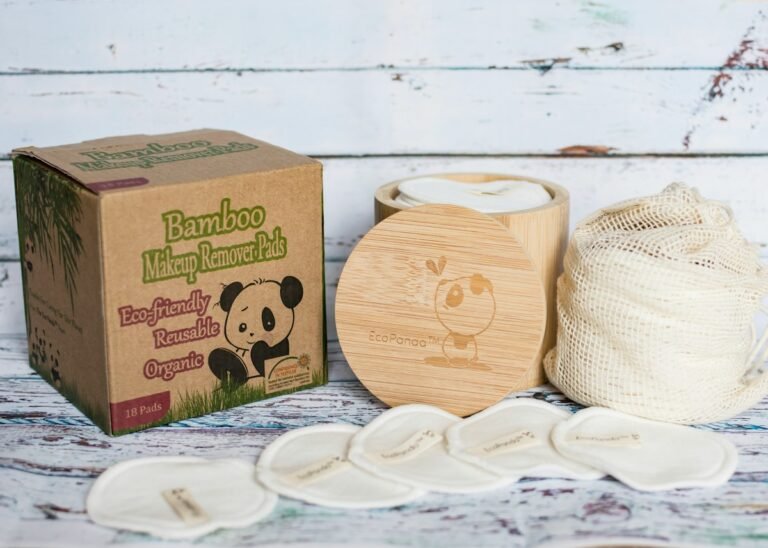
Discover how adopting circular economy principles can transform your business into a sustainable, waste-free system.
Introduction
In today’s world, sustainability isn’t just a buzzword—it’s a necessity. Businesses across the globe are seeking ways to reduce their environmental footprint, and the circular economy principles offer a robust framework to achieve this. By moving away from the traditional linear model of take-make-dispose, the circular economy focuses on eliminating waste, reusing resources, and regenerating nature. Let’s explore how embracing these principles can lead to sustainable business models for zero waste.
Understanding Circular Economy Principles
The circular economy is built on three foundational principles:
- Eliminate Waste and Pollution
- Circulate Products and Materials at Their Highest Value
- Regenerate Nature
These principles guide businesses to redesign their processes and products to ensure that materials are kept in use for as long as possible, minimizing waste and promoting sustainability.
Eliminate Waste and Pollution
The first step is to rethink how we design and produce products to prevent waste and pollution from the outset. This involves using sustainable materials, reducing harmful emissions, and ensuring that every component of a product serves a purpose.
Circulate Products and Materials
Instead of disposing of products after use, the circular economy encourages maintaining their value through reuse, refurbishment, and recycling. This not only conserves resources but also creates new business opportunities.
Regenerate Nature
A truly circular system doesn’t just minimize harm—it actively improves the environment. This means using renewable resources and adopting practices that restore ecosystems.
Transforming Business with Circular Economy
Adopting circular economy principles can revolutionize how businesses operate. Here’s how:
Sustainable Product Design
Designing products with their end-of-life in mind ensures that materials can be easily reclaimed and reused. This approach reduces the reliance on virgin resources and lowers production costs in the long run.
Innovative Business Models
Transitioning to models like product-as-a-service, where customers lease rather than own products, fosters a culture of maintenance and recycling. This not only extends product lifespans but also builds stronger customer relationships.
Reducing Environmental Impact
By minimizing waste and optimizing resource use, businesses can significantly cut their environmental footprint. This not only benefits the planet but also enhances brand reputation and attracts eco-conscious consumers.
Aegle Sriphal’s Role in the Circular Economy
At Aegle Sriphal, we are committed to driving the circular economy forward. Our range of eco-friendly products is designed to support sustainable living and reduce waste. Let’s take a closer look at how our products embody circular economy principles.
Our Sustainable Products
- Bamboo Speaker: Crafted from bamboo, this eco-friendly speaker combines natural aesthetics with clear sound, perfect for sustainable living.
- Bamboo Big Speaker: A premium, large-sized speaker that offers rich sound quality and natural elegance for your home or office.
- Bamboo Bottle: A sleek, reusable water bottle that keeps beverages cool while reducing plastic waste.
- Bamboo Travel Kit: A compact set featuring bamboo essentials, ideal for eco-friendly travelers seeking convenience and sustainability.
Bamboo Speaker
Our Bamboo Speaker is more than just a high-quality audio device. It’s a testament to sustainable craftsmanship, blending functionality with eco-friendly materials. By choosing bamboo, a renewable resource, we ensure that our products have a minimal environmental impact.
Real-World Impact
Businesses that adopt circular economy principles often see tangible benefits. For instance, Apeel has developed an edible, plant-based coating that reduces food waste and eliminates the need for single-use plastics in packaging. Similarly, our products at Aegle Sriphal help reduce plastic dependency while promoting a sustainable lifestyle.
Conclusion
Embracing the circular economy is not just good for the environment—it’s a smart business strategy. By eliminating waste, reusing resources, and regenerating nature, businesses can create sustainable models that benefit everyone. At Aegle Sriphal, we are proud to offer products that support this vision, helping you make mindful choices for a greener tomorrow.
Ready to transform your lifestyle with sustainable products? Visit Aegle Sriphal and join us in creating a zero-waste future.