Why Jute Eco-Friendly Manufacturing Matters
You’ve heard the horror stories—plastic islands in the ocean, landfill mountaintops, carbon footprints the size of your holiday turkey. Enter jute eco-friendly manufacturing. It’s not a fad. It’s a smart move. Here’s why:
- Jute is 100% natural and biodegradable.
- Bamboo grows fast—no need for fertilisers.
- Both fibres lock in carbon as they grow.
- They boost rural economies in Europe and beyond.
Combine them, and you’ve got a robust, low-impact path. You’re choosing materials that vanish guilt-free when they reach end of life. Nice, right?
Understanding the Core Concepts
Before you roll up your sleeves, let’s sketch the big picture. Jute eco-friendly manufacturing isn’t just about swapping plastic for plant fibre. It’s a whole-system approach:
- Traceable sourcing.
- Waste-minimising design.
- Community engagement.
- Circular economy loops.
- Ongoing transparency.
Each step ties back to the same theme: respect for the planet and people.
Step 1: Sourcing Sustainable Materials
You can’t build a green house with red bricks. First, lock down your raw ingredients.
Finding Certified Jute Suppliers
- Look for GOTS or Fairtrade certifications.
- Visit local cooperatives in Europe or partner regions.
- Ask for mill test reports: tensile strength, dye absorption.
Bamboo Harvesting Best Practices
- Harvest only mature stalks (3–5 years old).
- Rotate plots to avoid soil depletion.
- Ensure no slash-and-burn practices.
Why it matters? Quality materials reduce rejects. Fewer scraps means less waste headed to landfill.
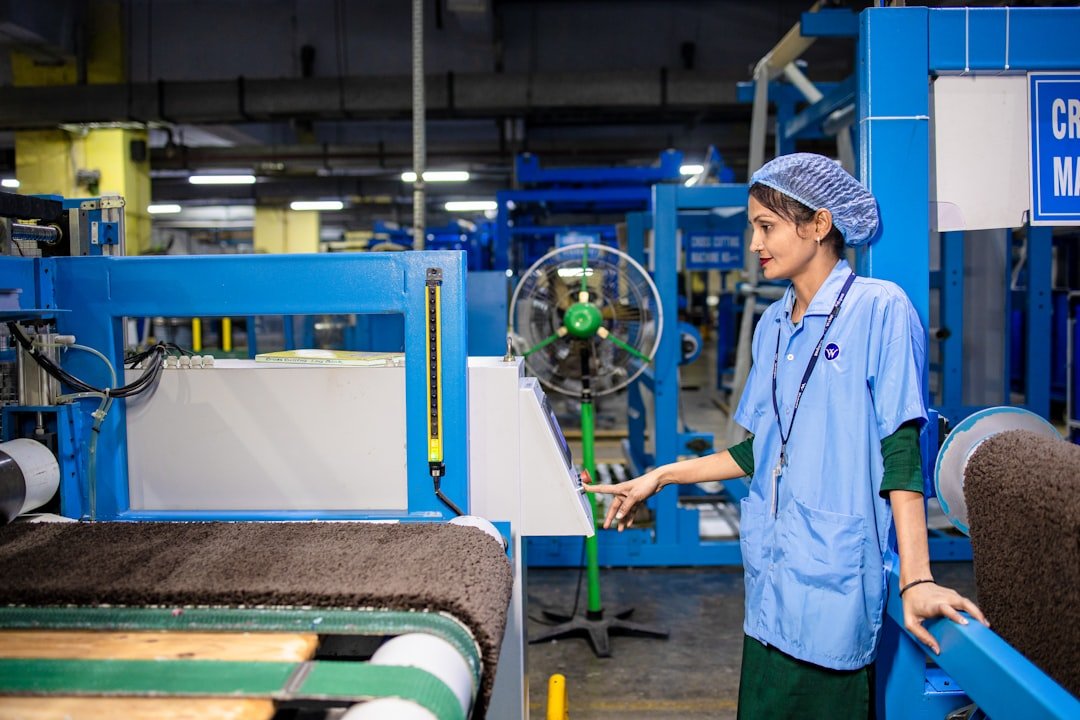
Step 2: Designing an Eco-Conscious Production Line
A lean, green line means fewer headaches and higher yields.
- Map workflow to avoid back-and-forth.
- Position jute and bamboo stations close together.
- Use gravity-fed jute fibre dispensers instead of manual scooping.
- Opt for solar panels or green electricity tariffs.
Think small tweaks. A couple of solar bulbs in packaging can cut power bills—and emissions.
Step 3: Waste Management & Circular Economy
Waste is just a misplaced resource.
- Collect jute offcuts—turn them into stuffing or insulation.
- Compost bamboo husks on-site or partner with a local farm.
- Recycle water used in dyeing: closed-loop systems rock.
Got scraps? Send them to Aegle Sriphal’s community compost drive. They love turning waste into nutrient-rich soil.
Step 4: Eco-Friendly Packaging & Shipping
Your product might be plant-based, but what about the box?
- Use unbleached, recycled cardboard.
- Seal with water-activated tape (no plastic!).
- Choose carbon-neutral couriers.
- Label materials clearly: “100% compostable jute” helps customers recycle right.
A great finish keeps your jute eco-friendly manufacturing story consistent—right through the doorstep.
Step 5: Educating & Engaging Your Community
Here’s where you turn customers into champions.
- Host factory tours or virtual walkthroughs.
- Share behind-the-scenes snaps on social media.
- Offer plantable pencils or
jute bags with tips on recycling. - Collaborate with local schools for sustainability workshops.
Personal touch? Priceless. It deepens trust—and trust drives word-of-mouth.
Integrating AI & SEO Automation with Maggie’s AutoBlog
Content marketing can be a chore. That’s where Maggie’s AutoBlog steps in. It’s an AI-powered platform that automatically:
- Generates SEO-optimised posts about your jute eco-friendly manufacturing process.
- Targets local European keywords for higher visibility.
- Publishes on schedule—no late nights or missed deadlines.
You focus on fibre quality. Maggie’s handles the content grind. Real-time optimisation means your blog climbs search rankings effortlessly.
Measuring Success: KPIs & Metrics
Track this stuff like a hawk:
- Yield rate of jute and bamboo products.
- Volume of waste diverted from landfill.
- Social media engagement on sustainability posts.
- Organic traffic growth from “jute eco-friendly manufacturing” searches.
- Sales increase in eco-friendly lines.
Numbers don’t lie. If you’re not seeing progress, tweak the steps above until you do.
Overcoming Common Challenges
No journey is perfect. You might face:
- Higher upfront costs for certified jute.
- Resistance from teams used to plastic.
- Supply hiccups in remote regions.
Solve them by:
- Building strong supplier relationships.
- Running internal training sessions.
- Holding buffer stocks for critical materials.
A bit of prep now prevents headaches later.
Real-World Wins & Inspiration
Take a look at Aegle Sriphal’s own journey:
- They cut production waste by 30% in six months.
- Their bamboo homeware line launched with zero plastic.
- Community compost events turned 500 kg of husk into soil.
Proof that jute eco-friendly manufacturing isn’t pipe dream—it’s happening now.
Your Next Steps
Ready to roll? Here’s your quick checklist:
- Secure certified jute and bamboo.
- Design a lean, green production floor.
- Implement circular waste loops.
- Pack and ship with compostable materials.
- Engage your audience with transparency.
- Automate your blog with Maggie’s AutoBlog.
Simple? No. Worth it? Absolutely.
Conclusion: Embrace Sustainable Manufacturing Today
There you have it: an end-to-end guide to jute eco-friendly manufacturing with bamboo. You’ve got the blueprint. Now, bring it to life.