Why Modern Living Demands Smarter, Earth-First Daily Essentials
Most of the items sitting on our desks, kitchen counters, and bathroom shelves were built to last decades, yet we throw them away in months. Petroleum-based plastics take hundreds of years to break down, breaking into toxic microplastics instead of returning to the soil. As academic research into circular manufacturing ramps up across the globe, conscious consumers are rethinking how everyday goods are manufactured. You do not need to overhaul your entire existence overnight to make a difference; you just need better, smarter basics made from renewable resources.
That is where real engineering meets everyday utility. Rather than relying on synthetic polymers, forward-thinking brands are turning to biological powerhouses like fast-growing grasses and bast fibres. Through thoughtful material sourcing and mindful manufacturing, Sustainable lifestyle essentials from Aegle Sriphal’s eco-transformation initiative are proving that daily tools can be completely functional, stylish, and regenerative all at once. Let us look beneath the surface to see what makes these raw materials perform so effectively in modern homes.
The Real Environmental Cost of Synthetic Daily Basics
Look around your room right now. How many things within arm’s reach are made of cheap plastic? From pens to organisers and dining ware, non-renewable polymers dominate our spaces.
The lifecycle of plastic follows a broken path:
- Extraction: Crude oil refining releases tons of carbon emissions and pollutes local waterways.
- Production: Chemical plasticisers and synthetic binders are added to boost flexibility, making recycling nearly impossible.
- Disposal: Less than ten percent of consumer plastic actually gets recycled. The rest ends up in landfills or clogs river systems across South Asia.
Recent studies in environmental management highlight that green consumer goods cannot merely be “less bad.” They need to be circular from day one. That means when an item reaches the end of its useful life, it should enrich the earth rather than poison it.
The Botanical Engineering of Bamboo: Nature’s Resilient Grass
Bamboo is not a tree; it is technically a fast-growing grass. This biological detail is precisely why scientists and environmental researchers are so excited about its commercial application in lifestyle items.
Astonishing Growth Rates Without Chemical Inputs
Unlike hardwood trees that take thirty to fifty years to mature, certain bamboo species can grow up to a metre in a single day. You can harvest a bamboo culm within three to five years without killing the plant. The underground root system, known as the rhizome network, stays firmly in place.
Why does this matter for the soil?
- It prevents severe topsoil erosion during heavy monsoon rains.
- It eliminates the need for clear-cutting forests.
- It absorbs significant amounts of carbon dioxide while generating thirty-five percent more oxygen than an equivalent stand of trees.
- It thrives naturally without chemical fertilisers or toxic pesticides.
Natural Structural Strength
Ever wonder why bamboo is replacing synthetic plastic in homeware and daily items? It comes down to tensile strength. Bamboo fibres feature an intricate vascular bundle arrangement that allows the culm to bend in high winds without snapping. When processed carefully using eco-friendly production methods, this natural tension translates into durable homeware, sturdy cutlery, and resilient desktop tools that easily withstand years of daily use.
Jute: The Golden Fibre of South Asian Sustainability
If bamboo is the structural backbone of green living, jute is its versatile fabric partner. Native to the river deltas of South Asia, jute has supported rural economies for centuries, but modern material science is giving it a brand new role in sustainable lifestyle essentials.
Minimal Water Footprint and Soil Regeneration
Cotton is thirsty. It requires thousands of litres of water just to produce a single tote bag, often demanding heavy pesticide treatments to keep pests at bay. Jute, on the other hand, relies mostly on natural rainfall. It grows rapidly within four to six months, leaving behind nutrient-rich leaves and roots that actually improve soil fertility for the next crop rotation.
High Tensile Durability for Everyday Function
Jute fibres are packed with cellulose and lignin, the biological compounds that provide woody rigidity to plants. This gives jute yarn extraordinary tensile strength and very low extensibility. When woven into everyday bags, protective sleeves, and storage containers, jute resists stretching, tearing, and abrasion far better than flimsy synthetic textiles. When its lifecycle finally finishes, pure untreated jute degrades into harmless organic matter in just a few months.
How Aegle Sriphal Bridges Science and Daily Living
A great raw material means nothing if the production process ruins it with synthetic glues, chemical varnishes, and toxic dyes. That is where thoughtful design makes all the difference.
Aegle Sriphal focuses entirely on 100% natural materials, engineering everyday products that keep these botanical fibres in their purest forms. By leaning on regional craft traditions and cleaner manufacturing methods, the brand delivers daily goods that look elegant while honouring the planet.
Whether it is handcrafted bamboo homeware designed to replace single-use dinnerware or plantable pencils that carry seeds in their tips, each design encourages a deeper connection to nature. When you finish using a plantable pencil, you do not throw the stub into a rubbish bin; you push it into a pot of soil and water it. Within days, you have fresh herbs or flowers growing on your windowsill. That transforms a mundane routine into an active lesson in ecological responsibility.
For anyone looking to phase out disposable plastics at home or in the workplace, choosing reliable sustainable lifestyle essentials built for conscious living offers a straightforward, impactful way to shrink your environmental footprint without sacrificing quality or utility.
Comparing Daily Materials: Why Natural Fibres Outperform Synthetics
To understand why switching to bamboo and jute makes practical sense, let us look at how these materials perform across several key areas:
- Renewability: Petroleum-based plastics rely on finite fossil fuels that take millions of years to form. Bamboo and jute renew themselves in mere months or a few short seasons.
- Carbon Footprint: Synthetic manufacturing is energy-intensive, releasing heavy greenhouse gas emissions. Plant fibres capture atmospheric carbon during their growth phase, keeping the net carbon balance significantly lower.
- End-of-Life Profile: Plastics break down into microplastics that remain in ecosystems for centuries. Pure bamboo and jute are fully biodegradable and compostable, breaking down safely in backyard or municipal compost systems.
- Toxicity: Plastic products often leach phthalates and bisphenols when exposed to heat or sunlight. Untreated natural fibres remain completely non-toxic for humans, pets, and wildlife.
The Cultural and Community Impact Across South Asia
True sustainability cannot focus only on carbon metrics; it must uplift the communities harvesting and shaping these goods.
In India and neighbouring South Asian regions, bamboo and jute represent vital livelihoods for thousands of farming families and local artisans. When businesses prioritise these domestic natural fibres over imported synthetic materials, they keep value within local economies.
Aegle Sriphal actively champions this regional focus. By designing campaigns that speak directly to domestic environmental priorities, like municipal waste management, cleaner rivers, and sustainable farming, they turn eco-friendly shopping into a shared community mission. Working alongside schools, universities, and mission-driven institutions, they show the next generation that traditional materials hold the key to our technological and ecological future.
Simple Steps to Build Your Own Sustainable Daily Toolkit
Transitioning to a mindful lifestyle does not require discarding everything you own today. Throwing away functional items just to buy green versions defeats the purpose. Instead, make the switch gradually as your current items wear out.
Here is a practical way to begin:
- Audit Your Workstation: Replace finished plastic pens with plantable pencils or bamboo writing tools. Switch out synthetic desk organisers for woven jute baskets.
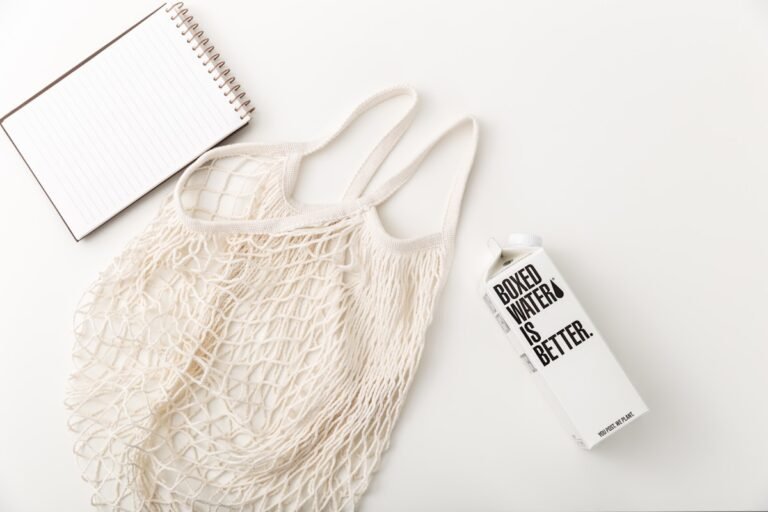
- Rethink Your Commute: Carry your meals and groceries in sturdy jute totes instead of taking thin plastic carrier bags from shops.
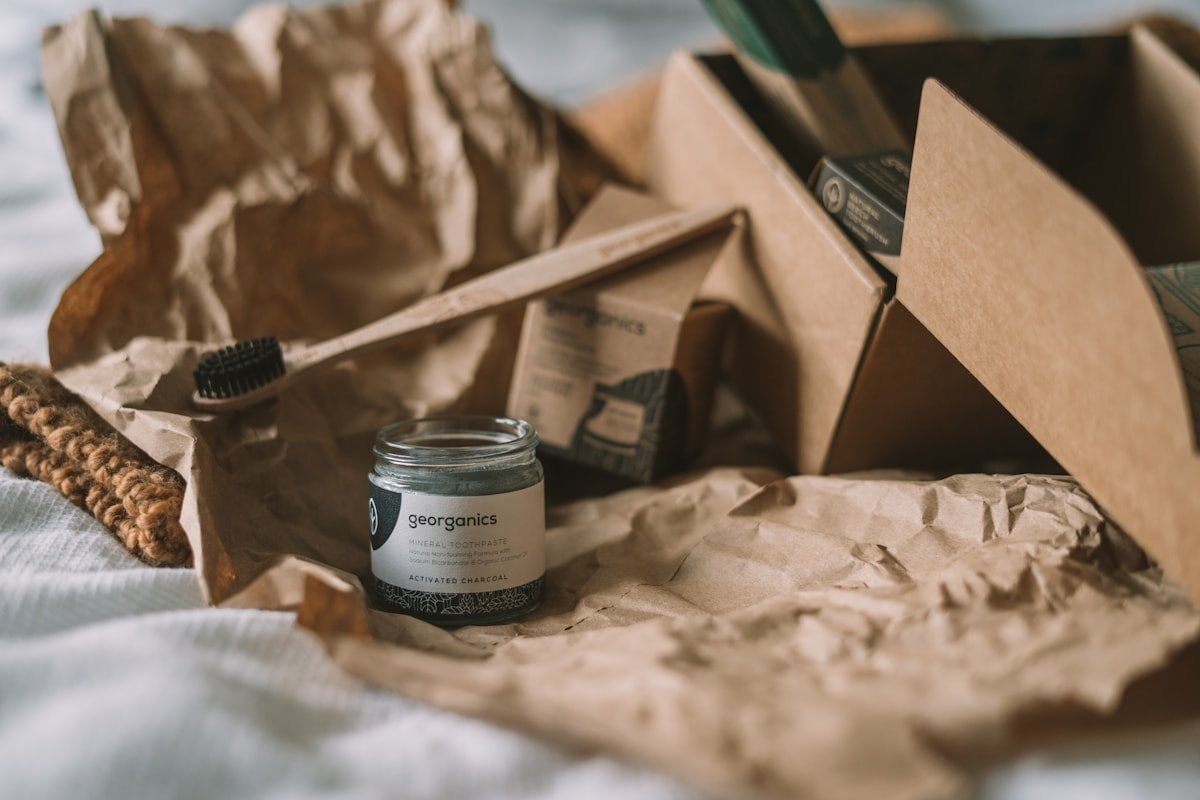
- Upgrade Your Kitchen Basics: As cheap plastic cooking utensils scratch and warp, swap them for durable bamboo alternatives that do not scratch cookware or leach chemicals.
- Support Closed-Loop Design: Choose products with minimal, plastic-free packaging that can be recycled or composted right at home.
Every small swap removes another piece of permanent waste from the production cycle, proving that personal habits can drive broad systemic change.
Smarter Materials for a Cleaner Tomorrow
Academic research published in international sustainability journals confirms what traditional communities have known for centuries: living in balance with nature requires working with renewable biology, not fighting against it. Bamboo and jute are not just rustic substitutes for modern polymers; they are scientifically superior, naturally resilient materials built to thrive in a circular economy.
By integrating clean manufacturing, thoughtful design, and consumer education, Aegle Sriphal makes it easy to embrace practical, planet-friendly habits. Ready to turn your daily routine into a force for positive change? Explore the full range of sustainable lifestyle essentials from Aegle Sriphal and take your next step toward a natural, waste-free lifestyle today.