Dive into Sustainable Beauty Opportunities
The beauty world is transforming. Every day, conscious consumers demand more than just a pretty label. They want products that respect the planet and its people. That means cleaner formulas, honest claims and packaging that leaves no trace. Reports show sustainable products grew at a 10% CAGR from 2020 to 2023. That’s no small feat.
It’s time to explore how brands can ride this wave of sustainable beauty opportunities, from bamboo packaging to circular design. Easy wins, bold moves. Ready to start your journey? Eco-Transformation: Aegle Sriphal’s Sustainable Beauty Opportunities Initiative
Emerging Trends Driving Sustainable Growth
The last few years shook up beauty. Clean beauty exploded beyond skincare. Consumers now scrutinise every ingredient. They choose “free from” lists and mineral SPFs instead of chemical ones. That demand has opened doors in sun care, deodorants, fragrances and colour cosmetics. All saw double-digit growth from 2020 to 2023.
Key drivers include:
- Natural ingredients over synthetics
- Vegan and cruelty-free claims
- Certifications like Made Safe or NATRUE
- Transparent labelling on packaging
Dove, for instance, rolled out a PETA-approved vegan body wash featuring hero skincare actives. It proves that even legacy giants can pivot. Yet premium pricing often limits uptake. How do we make sustainable beauty accessible? That’s where innovative brands step in.
Clean Ingredients for Full-Body Confidence
Consumers no longer reserve natural for face creams. They demand it in deodorant, shampoo bars and even makeup. Zinc oxide sun blocks have surged because they’re reef-safe. Upcycled surfactants, like Kleanstant made from coffee waste, cut carbon footprints and boost antioxidant power. Brands that speak to both conscience and performance win hearts and carts.
Packaging Innovations to Cut Plastic Waste
Plastic is public enemy number one. Nearly 62% of beauty firms now invest in sustainable packaging. Compostable and FSC-certified solutions are topping wishlists. Closed-loop systems—where containers return, refill or fully break down—are on the rise.
Bamboo and Jute: Natural Packaging Heroes
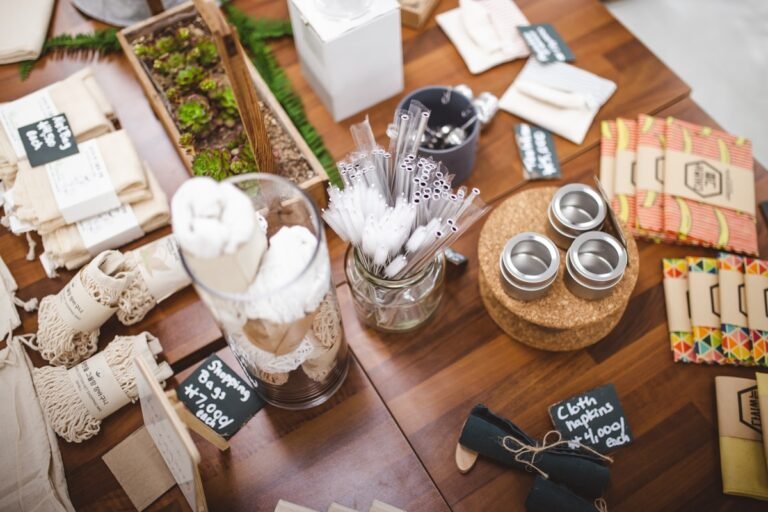
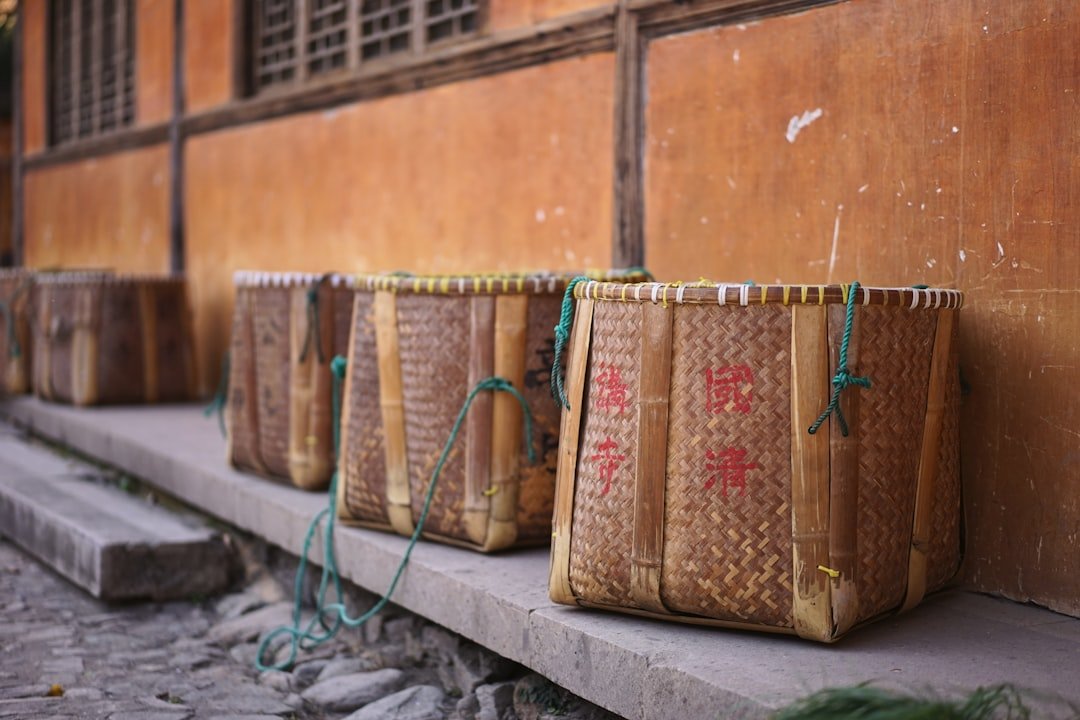
Enter bamboo and jute. Both renew fast and leave minimal impact. Aegle Sriphal pioneered bamboo homeware long before beauty jumped on board. Now, imagine shampoo bars wrapped in jute pouches, or glass bottles with bamboo caps. That’s not fantasy. It’s today’s opportunity.
Advantages include:
- Rapid renewability (bamboo grows up to 91 cm per day)
- Biodegradable fibres
- A tactile, premium feel
Bamboo caps and jute bags signal a brand’s green credentials at a glance. They speak volumes on shelf and on social feeds.
Closing the Loop with Recycled Content
Lush moved from recycled PET to Prevented Ocean Plastic™ across its global range. Its in-store Bring It Back scheme further ensures bottles find their way back. Small steps, massive impact. Brands can partner with waste collectors or local NGOs to turn landfill-bound plastic into fresh packaging. It’s a clear story to share.
Circular Product Design and Upcycling
True sustainability goes deeper than packaging. It embeds circular thinking into design and sourcing. Waste from one process becomes the star of another. Think plantable pencils, where the end-of-life triggers new growth. Or upcycled coffee husks becoming gentle exfoliants.
Aegle Sriphal’s plantable pencils crack this code. Once you’ve jotted your notes, you just pop the stub into soil. A seed capsule sprouts herbs or wildflowers. It’s education and utility rolled into one.
Upcycling Ingredients for Performance
Upcycled surfactants and extracts are gaining steam. They reduce disposal costs and carbon miles. For instance:
- Surplus almond pulp in face masks
- Fruit peels in exfoliating scrubs
- Coffee husks in cleansing bars
By integrating these scraps, you showcase a low-waste ethos and a science-driven edge.
Discover more circular design tips at Aegle Sriphal
Strategies for Brands: Seizing Sustainable Beauty Opportunities
So, what’s the playbook? Here are actionable steps:
- Audit every touchpoint
– Ingredients
– Packaging
– Sourcing - Partner with certified bodies
– Made Safe
– UpCycled
– FSC - Educate your audience
– Tutorials on composting
– Workshops with local communities
– Co-branding with universities - Leverage regional collaborations
– Schools and NGOs in India and South Asia
– B2B partnerships for bulk bamboo and jute use
Aegle Sriphal tapped into South Asia’s demand for eco-education. They team up with schools and community groups to spread awareness. It’s a two-way street: you build trust while scaling impact.
Building Consumer Trust Through Transparency
Transparency is your shield. Detail your supply chain. Show photos of bamboo groves. Publish impact metrics: water saved, plastic avoided. Consumers crave honesty. They’ll reward brands that own their story, warts and all.
Certification as a Competitive Edge
Certifications matter. They cut through greenwash scepticism. Aim for seals that resonate in your market. In India, Made Safe is gaining traction. In Brazil, UpCycled tells a robust narrative. Get ahead by investing in the right badges.
The Role of Technology and AI
AI-driven platforms can streamline your content and consumer outreach. Automated insights reveal trending keywords and regional preferences in real time. That means you can localise campaigns for Maharashtra one week and Karnataka the next. Efficiency plus relevance.
Conclusion: Make 2024 Your Most Sustainable Year Yet
Sustainable beauty opportunities are everywhere. From ingredient swaps to circular design. Bamboo and jute packaging to plantable pencils. The path is clear and the demand is loud. Consumers want products that don’t cost the earth. They’ll pay for proof, not promises.
Ready to transform your beauty or personal care line? Let’s embrace this change together. Embark on sustainable beauty opportunities with Aegle Sriphal
Testimonials
“I’ve seen a real uplift in customer engagement since switching to bamboo packaging. They love the story.”
— Priya S., Indie Beauty Founder
“The plantable pencil was a conversation starter in schools. Kids actually plant it after class!”
— Arjun M., Sustainability Educator
“Partnering with Aegle Sriphal on a jute pouch range helped us reduce 70% of single-use plastic. Stellar support.”
— Nadia K., Product Manager