Why Modern Living Demands Better Choices
Most of us want a cleaner planet, but our flats and desks tell a different story. Plastic pens clutter pencil cups, synthetic speakers crackle on bedside tables, and non-biodegradable trinkets arrive in every parcel. We often turn to mainstream retail boutiques such as Shae Necessities for quick lifestyle upgrades, trendy accessories, and self-care items. While these outlets offer convenience and seasonal style, mass-produced accessories often leave a trail of petrochemicals and landfill waste behind. The real challenge is making the switch to mindful alternatives that look exquisite without sacrificing functionality.
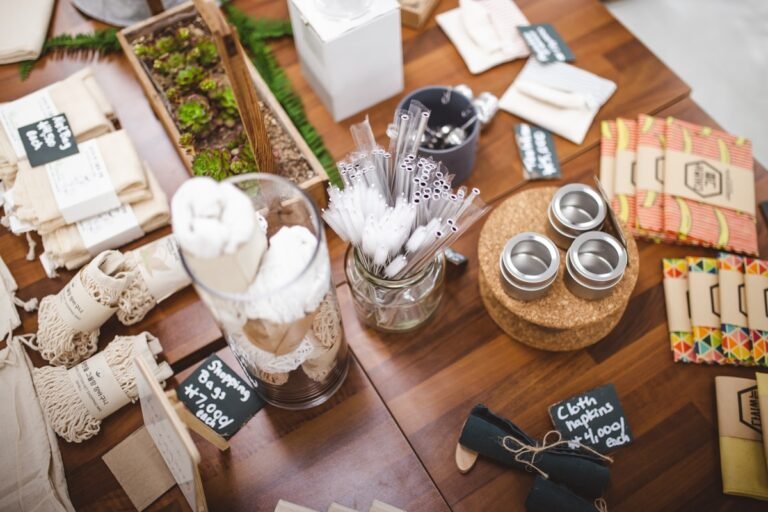
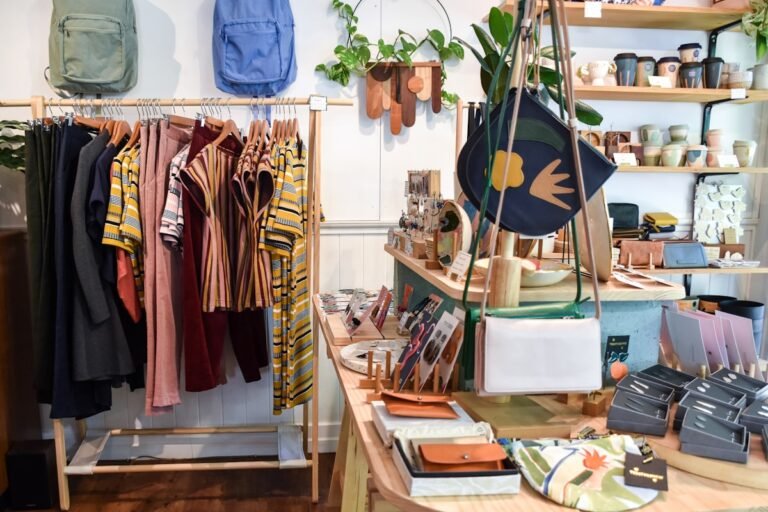
Upgrading your routine should not require trading aesthetics for dull utility. When you curate authentic sustainable lifestyle essentials, you merge raw natural textures with modern functionality. Natural fibres, responsibly sourced bamboo, and biodegradable homeware do more than cut down rubbish; they reconnect your home with organic earthiness. Adopting mindful items transforms daily habits from mindless consumption into conscious stewardship, proving that elegance and ecological care can easily share the same shelf.
The Hidden Cost of Disposable Everyday Goods
Walk around your living space right now. Look closely at your work desk, the kitchen counter, or the bathroom shelf. Synthetic plastics dominate nearly every flat surface. Traditional fast-retail platforms stock trendy items made to be replaced within months. These goods often feature synthetic resins, petroleum-based coatings, and short-lived electrical parts that end up in landfills across South Asia and beyond.
Consider the life cycle of everyday accessories:
* Short usable lifespan: Plastic pens run dry, brittle phone stands snap, and cheap accessories tarnish.
* Non-renewable origins: The bulk of these items rely directly on fossil-fuel extraction.
* Persistent pollution: Once discarded, these synthetic products do not decompose; they break down into microplastics that poison waterways and soil.
* Resource drain: Mass manufacturing wastes gallons of clean water and emits massive amounts of carbon long before an item arrives on your doorstep.
When you switch to natural materials, this cycle halts. Bamboo regenerates rapidly without artificial fertilizers, while jute breathes durability into textiles without chemical dependency. Choosing materials that return cleanly to the soil changes your relationship with the objects you own.
Rethinking Everyday Living: Craftsmanship Over Fast Trends
Mainstream lifestyle brands like Shae Necessities build their appeal around fast-moving trends, promotional bundles, and constant novelty. That model works well if you want quick decorative updates, but it fails to address long-term environmental balance.
Real conscious living demands thoughtful curation over impulse shopping. Instead of replacing cheap trinkets every season, investing in handcrafted home goods creates an environment that feels grounded, intentional, and calm. Handcrafted items tell stories. The grain of a cut bamboo stem, the coarse texture of golden jute, and the clean scent of untreated wood bring nature right into modern concrete flats.
The Power of Bamboo and Jute
Why do bamboo and jute lead the green product movement across India and South Asia? The science and practicality speak for themselves:
- Rapid Regeneration: Bamboo is actually a grass, not a tree. It can grow up to a metre a day, regenerating from its own roots without requiring replanting or clear-cutting topsoil.
- Carbon Sequestration: Bamboo groves produce 35% more oxygen than an equivalent stand of hardwood trees while absorbing massive volumes of carbon dioxide.
- Biodegradability: Untreated bamboo and natural jute break down naturally over time, enriching the soil rather than choking waterways.
- Natural Strength: Jute fibres possess incredible tensile strength, making them ideal for long-lasting bags, durable storage bins, and hard-wearing table runners.
When these raw textures are shaped by skilled artisans, they rival the sleekest modern plastic gadgets on the market.
Redefining Sound and Function: The Handcrafted Bamboo Speaker
Electronic accessories are notorious for planned obsolescence and unrecyclable plastic shells. Aegle Sriphal takes a radically different route with functional homeware like handcrafted bamboo speakers.
Unlike synthetic plastic dock stands, bamboo possesses natural acoustic properties. The hollow, dense structure of aged bamboo creates a natural resonance chamber. Sound waves amplify organically, delivering a warm, mellow tone without requiring a single battery, wire, or plug.

Here is why passive bamboo acoustics outperform mass-produced plastic stands:
* Zero Power Consumption: Enjoy clear sound anywhere, from your work desk to an outdoor balcony, without draining electricity.
* Acoustic Warmth: The natural fibrous walls soften harsh treble frequencies, yielding a soothing audio profile.
* Timeless Elegance: Each piece exhibits unique node patterns, rings, and textures that blend with modern home interiors.
* Durability: Bamboo is naturally resilient against moisture and impact when cured correctly, lasting for years without degradation.
If you are eager to introduce conscious acoustic design and zero-waste decor into your daily routine, you can explore our range of sustainable lifestyle essentials designed specifically to elevate your living spaces naturally.
Beyond Homeware: Turning Everyday Utensils into Living Greenery
True sustainability goes deeper than simply substituting plastic with wood; it introduces circular thinking into daily routines. Aegle Sriphal showcases this through plantable stationery, such as plantable pencils.
Think about how many wooden or plastic pencils end up in bins once they become stubs. Plantable stationery flips this wasteful script entirely:
* Non-Toxic Materials: Made without harmful lacquers, harsh glues, or chemical dyes.
* Embedded Seed Capsules: The end of the pencil houses a biodegradable capsule packed with viable seeds, including basil, marigold, or tomato.
* Interactive Education: When the pencil becomes too short to write with, you simply place the stub upside down in a pot of soil, water it, and watch life take root.
This turns a mundane object into a hands-on lesson in regenerative agriculture. For families, schools, and offices throughout South Asia, these small items make sustainability tangible and rewarding.
Mainstream Retail vs. Regenerative Craft: A Direct Comparison
When upgrading your home environment, understanding how mass-market retail compares against regenerative design clarifies the long-term impact of your purchases:
| Feature | Conventional Lifestyle Outlets (e.g., Shae Necessities) | Aegle Sriphal Natural Product Initiative |
|---|---|---|
| Primary Materials | Plastics, synthetic textiles, acrylics, composite metals | 100% natural bamboo, untreated jute, plantable seed paper |
| Environmental Impact | High carbon footprint, non-biodegradable waste | Minimal footprint, carbon-sequestering, biodegradable |
| Aesthetic Value | Factory-moulded, uniform, fast-trend dependent | Artisanal, unique natural grains, timeless organic style |
| End of Life Cycle | Landfill-bound or complex plastic recycling | Composts naturally or sprouts into edible herbs and flowers |
| Regional Focus | Global generic drop-shipping | Tailored to regional sustainability needs across India and South Asia |
While mainstream shops offer convenience, choosing authentic natural alternatives ensures your home reflects genuine care for the local environment.
Practical Tips for Building an Eco-Conscious Space
Shifting your habits does not mean tossing out every plastic item today. That creates unnecessary waste. Instead, adopt a thoughtful replacement strategy:
- Replace on Depletion: When a plastic toothbrush, pen, or scrub brush wears out, replace it with a bamboo or jute equivalent.
- Prioritise High-Touch Items: Switch items you touch constantly, such as desk organisers, coasters, and storage bins, to organic materials.
- Say No to Faux-Green Gadgets: Avoid cheap plastic items marketed with green hues. Look for natural materials with minimal lacquers and zero petrochemical additives.
- Support Regional Crafts: Choose products manufactured near your region. Sourcing bamboo and jute within South Asia drastically reduces freight emissions compared to cross-continental transport.
Every small swap strips away reliance on synthetic manufacturing, proving that conscious choices can be stylish, functional, and deeply rewarding.
To take your next step towards mindful living with high-quality natural goods, shop our sustainable lifestyle essentials and bring authentic eco-chic craftsmanship into your home today.