Rethinking the Picnic Basket: Ditching Plastic for Good
We have all been there. You plan a sunny afternoon picnic, pack some nibbles, head to a park, and realise half your kit is single-use film, flimsy plastic cutlery, and synthetic bags that will outlive your great-grandchildren. It feels wrong, especially when you are out enjoying the beauty of nature. Planning a relaxing lunch outside should not leave behind a pile of non-recyclable rubbish. True mindful living means making conscious choices from the ground up, starting with what you pack in your picnic hamper.
To genuinely cut down your environmental footprint, you need durable, plastic-free alternatives that do not sacrifice aesthetics or utility. Choosing sustainable lifestyle essentials from Aegle Sriphal lets you enjoy outdoor dining while honouring the planet. By swapping synthetic polymers for authentic, 100% natural materials like raw bamboo and renewable jute, you transform an ordinary outdoor meal into a meaningful act of environmental stewardship.
The Reality of Outdoor Gatherings: Where Waste Piles Up
Outdoor gatherings are notorious waste magnets. Most mainstream consumer picnic supplies are built for convenience rather than longevity:
- Single-use polystyrene plates that snap under the weight of pasta salad.
- Plastic cups that blow away in the slightest breeze.
- Paper napkins wrapped in plastic film.
- Synthetic cooler bags treated with toxic chemical coatings.
These disposable items often end up in landfills or wash into local waterways. In India and across South Asia, where municipal waste management is stretched thin, everyday plastic rubbish poses a critical threat to ecosystems. Even supposedly green items found in lifestyle shops often feature hidden polymer linings, synthetic stitching, or greenwashed marketing labels that mislead well-meaning consumers.
To build genuine ecological resilience, we have to look past the superficial marketing and focus on pure, regenerative raw materials.
The Core Materials: Why Bamboo and Jute Matter
When selecting eco-friendly wares, the material lifecycle is everything. Aegle Sriphal builds its range around two regional powerhouses: bamboo and jute.
The Wonder of Bamboo
Bamboo is not wood; it is a grass. It grows at staggering speeds without synthetic fertilisers, pesticide inputs, or excessive irrigation. It absorbs massive amounts of carbon dioxide while producing oxygen, making it one of the most regenerative resources on the planet.
In everyday homeware and picnic gear, bamboo provides unmatched durability. It resists moisture naturally, possesses inherent antimicrobial properties, and offers a smooth, tactile finish without synthetic varnishes.
The Raw Strength of Jute
Known as the “golden fibre”, jute is completely biodegradable and recyclable. It enriches the soil it grows in rather than stripping nutrients away. When woven into tote bags, matting, or produce carriers, jute breathes, prevents mould, handles heavy weights, and ages gracefully.
When your jute and bamboo products finally reach the end of their useful lives, years down the line, they break down naturally into organic compost instead of leaving behind toxic microplastics.
Moving Beyond Synthetic Picnic Gear: An Honest Comparison
Many popular lifestyle brands offer aesthetic picnic accessories made from treated cellulose, synthetic leather blends, or recycled plastics. While recycled PET or bonded paper options are a step up from virgin oil-based plastics, they still carry notable limitations:
| Feature | Bonded Paper / Synthetic Gear | Aegle Sriphal Bamboo & Jute |
|---|---|---|
| Material Base | Wood pulp bonded with polymers | 100% natural plant fibres |
| End of Life | Often non-compostable due to resins | Fully compostable & biodegradable |
| Production Impact | Energy-intensive chemical bonding | Low-impact regional craftsmanship |
| Chemical Additives | Waterproof coatings & synthetic glues | Chemical-free, non-toxic finishes |
| Local Economy Support | Mass manufactured offshore | Promotes South Asian artisans |
While synthetic coolers and washable paper totes look modern, their internal resins make mechanical recycling difficult. If you want genuine circular design, natural fibres are vastly superior. Embracing authentic sustainable lifestyle essentials designed for conscious living ensures your gatherings remain entirely free from petrochemical pollution.
Essential Checklist for an Eco-Friendly Gathering
Ready to overhaul your weekend hamper? Here is how to assemble a zero-waste setup using simple, natural choices:
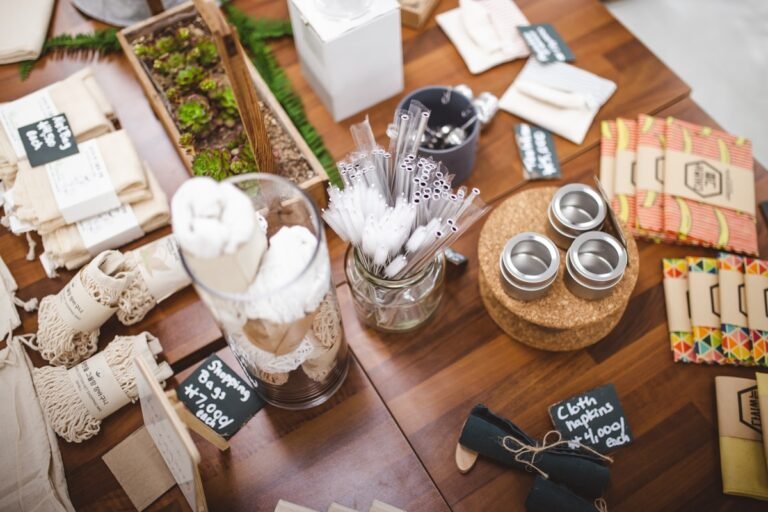
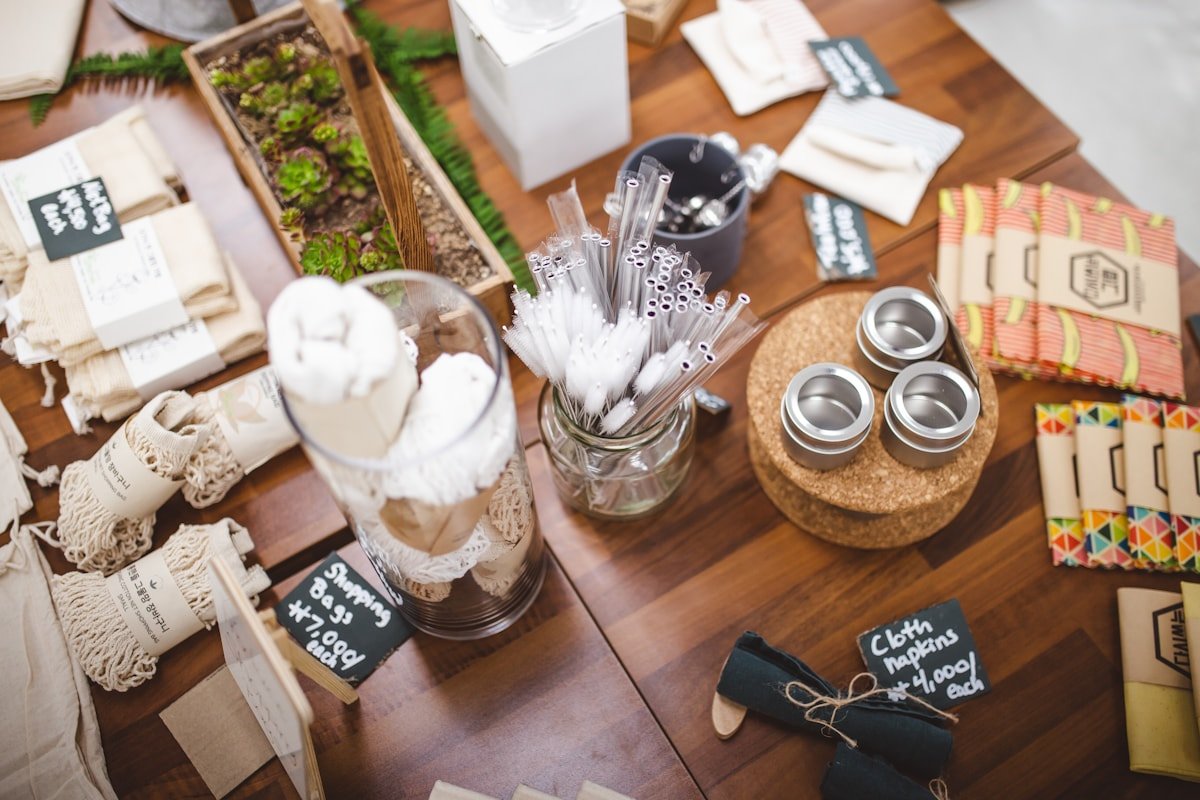
- Sturdy Jute Carriers: Swap flimsy polymer shopping bags for heavy-weave jute bags. They carry heavy loads, keep your bread and produce aerated, and fold away easily.
- Smooth Bamboo Homeware: Pack reusable bamboo plates, bowls, and cutlery sets. They are lightweight, robust enough to handle tough foods, and easy to wipe clean on the go.
- Cotton Food Wraps: Ditch the cling film. Natural beeswax or plant-wax wraps keep cheese, sandwiches, and cut fruits crisp without leaching harmful plasticisers.
- Stainless Steel Containers: Pack leftovers or dressings in leak-proof steel tiffins, a classic South Asian storage method that never goes out of style.
- Plantable Stationery: Organising an outdoor event or children’s gathering? Use plantable pencils for games or botanical journaling. Once the pencil runs down, plant the stub in soil to sprout herbs or flowers, turning your day out into an environmental lesson.
Cultivating Environmental Awareness in Everyday Habits
Small individual swaps might seem minor, but consumer habits set broader cultural trends. In fast-developing markets across South Asia, plastic consumption has expanded rapidly. Changing that trajectory requires more than just selling products; it requires education and community dialogue.
When you bring tactile, handcrafted natural items to a social event, people notice. Colleagues ask questions. Friends realise that living sustainably does not mean dealing with fragile cardboard spoons or drab aesthetics. It opens up conversations about waste reduction, resource conservation, and supporting regional rural economies where bamboo and jute cultivation thrive.
Sustainability is not about total perfection overnight. It is about steady, mindful choices that align our daily actions with ecological health. By seeking out sustainable lifestyle essentials crafted with care, you invest in long-term ecological balance while enjoying gatherings that leave no trace behind.