Rethinking Daily Habits: The Power of Green Living
Most of us want to live a cleaner, greener life, but modern routines get in the way. We grab a plastic toothbrush here, a throwaway coffee cup there, and before we know it, our bins are overflowing with petroleum-based junk that outlives us by centuries. It feels overwhelming. Research shows that single-person households generate significantly more waste and use far more energy per person than larger families. When you live alone or lead a fast-paced city life, convenience often beats conscience. But going green does not mean moving into a cave or making your own soap from scratch. It is about making smarter swaps with items you already use every single morning.
By simply changing your tools, you can slash your environmental footprint without upending your entire schedule. That is why choosing authentic sustainable lifestyle essentials makes such a huge difference to daily life. Aegle Sriphal designs everyday alternatives using raw materials like bamboo and jute, proving that sustainable alternatives can look brilliant and perform even better than plastic. Let us walk through how you can easily upgrade your home, reduce your rubbish, and embrace conscious living without breaking a sweat.
The Modern Solitary Life and the Footprint Trap
Living independently offers unmatched freedom. You pick the decor, choose dinner, and keep your space exactly how you like it. Yet, researchers at University College London found that single-person households consume roughly 55 percent more electricity, 61 percent more gas, and generate about 50 percent more food waste per person than multi-person homes.
Why does this happen? The answer is simple: shared efficiency. A single fridge runs all day whether it holds groceries for one person or four. A heating unit warms an entire flat regardless of how many people sit on the sofa.
Beyond energy, modern packaging targets single dwellers with small portions wrapped in endless layers of plastic film. When every snack, delivery meal, and bathroom staple comes in single-use plastic, our personal rubbish output climbs fast. Solving this does not require moving back in with flatmates if you love your personal space. Instead, you address the issue at the source: your procurement habits.

Why Natural Materials Beat Synthetic Plastics
We have all heard about recycling, but let us be honest: recycling plastic is mostly a myth. Only a fraction of plastic items ever get remelted, and downcycling degrades the material until it eventually winds up in a landfill or ocean anyway.
Natural fibres offer a genuine circular lifecycle:
- Bamboo: Bamboo is technically a grass, not a tree. It grows several feet in days without chemical fertilisers or heavy irrigation. Once harvested, its roots remain intact, preventing soil erosion and regrowing rapidly.
- Jute: Known as the “golden fibre,” jute is biodegradable, durable, and consumes very little water compared to conventional cotton. It breathes, holds heavy weight, and returns to the earth cleanly.
- Seed Papers and Plantables: Instead of generating office rubbish, plantable items embed seeds directly into biodegradable pulp. When finished, you plant them into potting soil and grow herbs or flowers.
These materials are not just eco-friendly; they bring warmth, texture, and organic beauty into your flat.
Swapping Out Bathroom Plastics
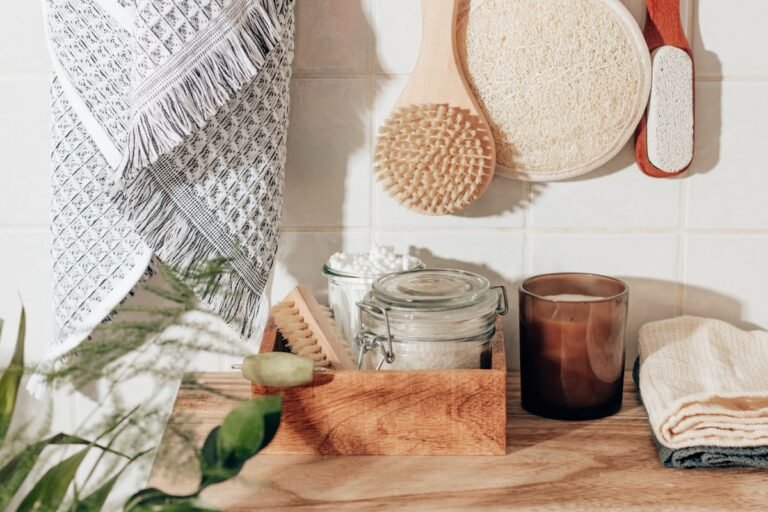
The bathroom is often ground zero for senseless waste. Take a quick look at your sink right now. You likely see plastic handles, synthetic bristles, and non-recyclable tubes.
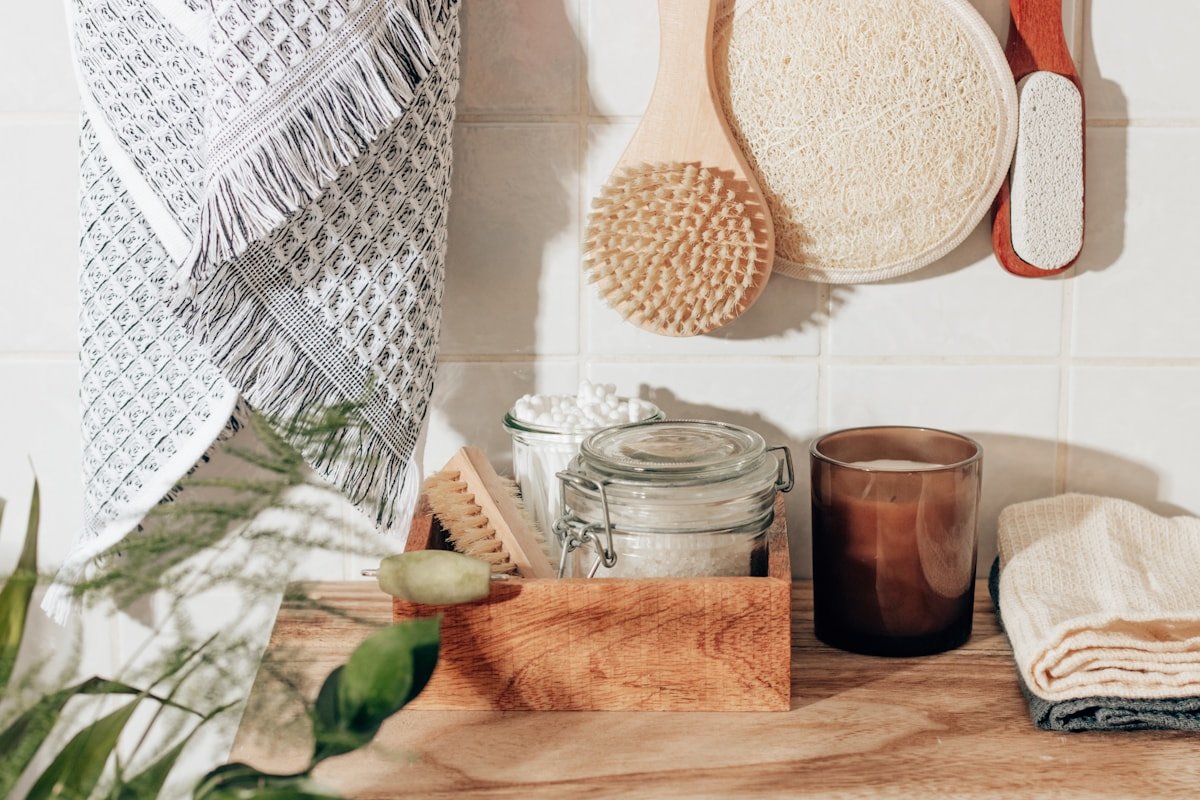
Switching to bamboo items instantly clears out these pollutants. A smooth bamboo toothbrush cleans just as well as a neon plastic one, but when the bristles are spent, the handle can be composted in your garden or green waste bin. Pair that with solid soap bars rather than bottled body washes, and you have eliminated dozens of plastic bottles each year.
Transforming Your Workspace with Purpose
Working from home or heading to an office creates sneaky amounts of dry waste. Disposable pens, plastic binders, sticky notes, and synthetic mouse pads clutter our desks.
Aegle Sriphal tackles this problem by rethinking ordinary office supplies. Consider plantable pencils. A standard graphite pencil gets thrown away once it becomes a tiny stub. A plantable pencil, however, contains a seed capsule at the tip. Once it gets too short to write with comfortably, you simply turn it upside down, push it into a pot of soil, add some water, and watch basil, marigolds, or tomatoes sprout.
This transforms everyday stationery into an educational moment. For businesses, schools, and individuals, it replaces useless plastic trinkets with living greenery.
To explore more ideas for creating an eco-friendly work and living space, you can discover practical sustainable lifestyle essentials from Aegle Sriphal that balance clean utility with environmental awareness.

The Kitchen and Pantry Overhaul
Single households face a big challenge in the kitchen: food waste. Cooking for one often leaves half an onion, wilting greens, and stale loaves.
Here are simple steps to fix your kitchen footprint:
- Ditch the Cling Film: Plastic wrap cannot be recycled and leaches chemicals. Replace it with reusable covers, glass containers, or traditional cloth covers.
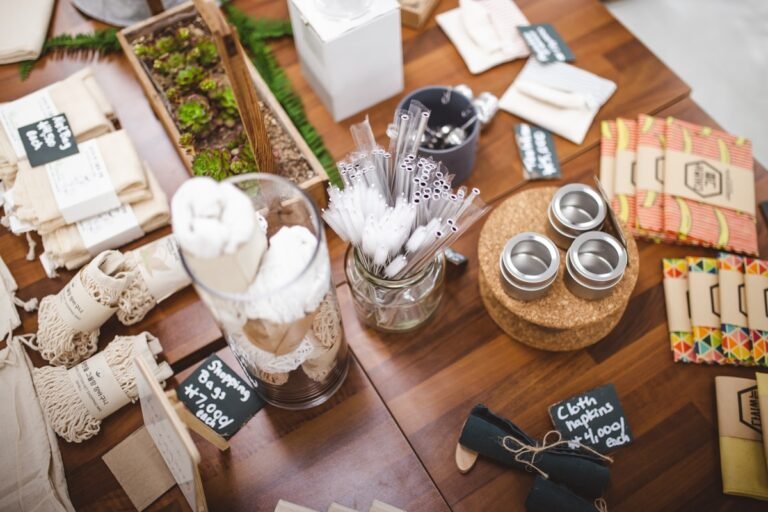
- Carry Durable Jute Totes: Keep two jute bags by your front door. Jute handles heavy grocery runs, does not tear like thin paper bags, and stops you from buying single-use carry bags at checkout.
- Embrace Bamboo Kitchenware: Bamboo cutting boards, serving spoons, and storage containers are naturally antibacterial, easy to clean, and free of toxic resins.
- Audit Your Fridge Weekly: Before shopping, plan meals around what must be eaten first. If you live alone, buy loose produce rather than pre-bagged items so you take only what you need.
Cultivating Community and Conscious Living
True sustainability extends beyond personal consumer choices. It is also about shared community action. When you switch to natural materials, people notice. Colleagues ask about your plantable pencil. Friends notice the jute shopping bags hanging in your entryway.
In India and across South Asia, traditional practices have long honoured zero-waste concepts, from carrying cloth bags to market to drinking from unglazed clay vessels. Reclaiming these habits through modern, functional design bridges past wisdom with modern city life.
Businesses and schools are also catching on. More organisations are replacing plastic corporate gifts with plantable stationery and sustainable lifestyle essentials. When institutions choose eco-friendly products, they spark positive ripple effects across thousands of employees and students.
Making the Shift Today
You do not need to discard everything you own tonight. Doing that would create unnecessary waste. The real secret to a sustainable lifestyle is replacement by attrition:
- When your plastic dish scrubber wears out, swap it for a plant-fibre brush.
- When your notebook fills up, choose recycled paper.
- When you need storage bins, pick sturdy jute or woven bamboo baskets.
Small, steady adjustments build lasting habits. By intentionally surrounding yourself with renewable, thoughtfully crafted items, you turn your home into a natural sanctuary while protecting our shared ecosystems.
Take your next step toward mindful living and upgrade your daily space with durable sustainable lifestyle essentials by Aegle Sriphal, designed to help you tread lightly on the planet every day.