Rethinking Everyday Living Without Emptying Your Wallet
Let us be completely honest for a moment. Most of us have scrolled past sleek, minimalist eco-stores and thought: “I would love to help the planet, but my bank account simply cannot afford it.” There is an annoying myth floating around that ditching plastic means paying triple the price for a plain wooden fork or an artisanal soap. It feels exclusive. It feels like an expensive hobby for people with cash to burn. But true environmental care was never supposed to be a luxury trend. Real ecological living is about simplicity, utility, and using things that grow back quickly without poisoning the soil or waterways.
Switching your daily habits does not mean overhauling your entire home overnight. It simply means choosing better raw materials, such as bamboo and jute, when your old plastic gear gives out. By picking up budget-friendly sustainable lifestyle essentials from Aegle Sriphal’s product initiative, you can easily swap out single-use rubbish for durable, earth-kind alternatives that respect both your domestic budget and regional environment. Let us break down why the pricey eco-bubble exists, how natural materials solve it, and which swaps genuinely make sense for daily use.
The Myth of the Expensive Green Life
Where did the idea come from that conscious living costs a fortune?
Historically, our communities ran on zero waste by default. Think about traditional households across South Asia. Water was cooled in earthen pots, not single-use plastic bottles. Groceries arrived in durable woven sacks made of tough plant fibres, not flimsy polythene. Leftover cloth became dusters, and steel containers lasted three generations. That was not labelled “green consumerism”; it was just common sense.
Modern retail, however, slapped a premium price tag on natural living. Marketing departments took standard materials, packaged them in fancy cardboard, and called it a high-end lifestyle choice. The result? Everyday folks felt priced out of doing the right thing.
The truth is that sustainable living belongs to everyone. Natural raw fibres like bamboo and jute are fast-growing, resilient, and abundant across our region. When brands focus on regional manufacturing and honest materials instead of imported greenwashed novelties, prices drop. Sustainability returns to being what it was always meant to be: accessible, durable, and practical.
Why Natural Materials Matter: The Bamboo and Jute Edge
Plastic is everywhere because it is cheap to make. But the hidden bill gets passed straight to the environment, clogging local drains, degrading into toxic microplastics, and choking local wildlife.
When you replace cheap plastic with renewable botanicals, you stop that cycle immediately. Two materials lead this quiet home revolution:
- Bamboo: It is technically a grass, not a tree. That means it grows at an astonishing speed, sometimes several centimetres in a single day, without needing heavy chemical pesticides. When harvested, the root system stays intact, preventing soil erosion. Bamboo fibres are naturally antibacterial, light, and tough as nails.
- Jute: Known as the “golden fibre,” jute is fully biodegradable, requires very little fertiliser, and absorbs massive amounts of carbon dioxide while enriching the soil it grows in. It produces rough, incredibly strong textiles that put synthetic polyester bags to shame.
Choosing these materials means your everyday items come from the soil and can safely return to the soil when their long lifecycle ends.
Essential Everyday Swaps That Cost Less Than You Think
You do not need to replace everything in your cupboards today. The most sustainable item is always the one you already own. But when an old plastic tool snaps, wears out, or needs replacing, that is your cue to bring in better materials.
Here are the practical switches that make the biggest difference in daily routines.
1. Plantable Stationery and Seed Pencils
Take a look at your desk. How many half-used plastic ballpoint pens are sitting in jars, destined for a landfill where they will sit unchanged for four centuries?
Plantable pencils flip that script entirely. Made from recycled paper or sustainably sourced wood, they feature a tiny seed capsule at the end. When the pencil becomes too short to hold comfortably, you do not toss it in the dustbin. You stick it into a small pot of moist soil, set it on a sunny windowsill, and water it. Within days, you have fresh herbs, flowers, or vegetables growing. It turns an otherwise wasteful routine into a hands-on lesson in practical biology.
2. Bamboo Homeware and Toothbrushes
The plastic toothbrush is one of the most common pieces of rubbish found in waterways. You use it for three months, and it floats around the ocean for hundreds of years.
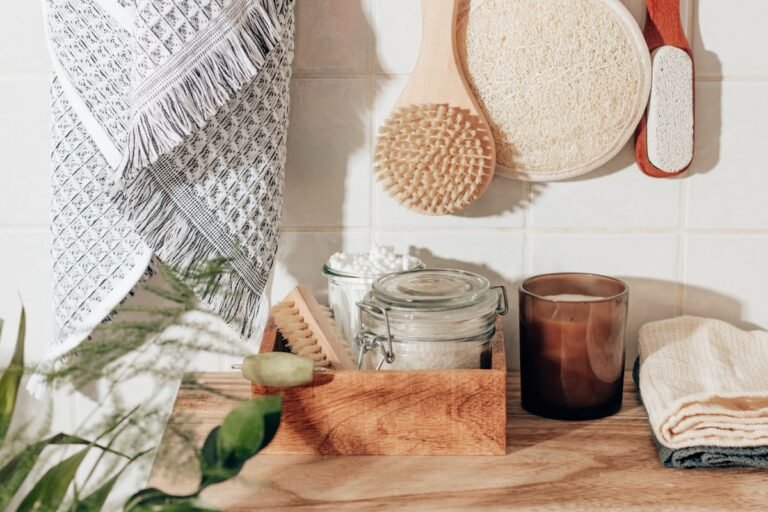
A smooth, ergonomic bamboo toothbrush handles the exact same job, feels warmer and more natural in your hand, and breaks down naturally in a home compost pile once you remove the bristles. Bring that same logic into the kitchen:
* Bamboo chopping boards that resist deep knife grooves.
* Natural bamboo stirrers and spatulas that will not melt or leach chemicals into hot curries.
* Lightweight bamboo desk organisers that replace cracked acrylic trays.
These pieces bring a warm, rustic aesthetic to your counters while cutting synthetic clutter down to zero.
3. Tough Jute Totes for Daily Shopping
Single-use carrier bags are an absolute scourge on city drainage systems. While thin cotton totes are nice, they can rip under the weight of heavy vegetables, glass milk bottles, or household provisions.
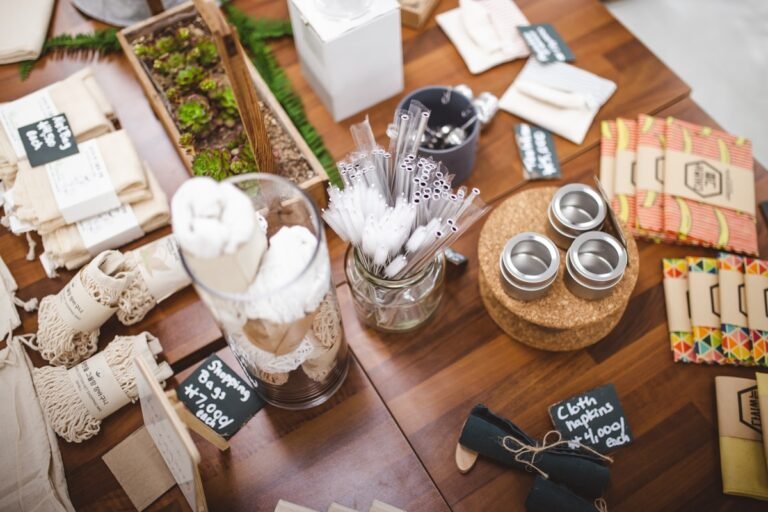
Jute totes are built like tanks. The dense weave of natural bast fibres handles extreme weight without snapping handles or stretching out of shape. Keep two in your work bag or near your front door. One good jute bag saves hundreds of flimsy plastic carriers from entering the local waste stream each year.
To bring more natural items into your home routine, explore affordable sustainable lifestyle essentials for mindful homes and see how simple plastic-free living can be.
Moving Past Superficial Trends: Education and Impact
Buying green products alone will not fix the planet if we keep treating items as disposable. The real goal is shifting how we look at stuff.
Across India and South Asia, communities are dealing with real, immediate ecological pressures, from urban heat islands to mounting landfill heaps. Fixing this requires more than just shopping; it requires regional awareness and education.
When people understand the actual lifecycle of consumer goods, habits change naturally:
* Schools and Universities: Introducing plantable items and plastic-free tools to students builds an instinct for conservation early on, moving sustainability from a textbook theory into daily practice.
* Workplaces and Institutions: Swapping synthetic corporate merchandise for functional jute bags and wooden wares sets a clean operational standard for staff and visitors alike.
* Community Conversations: Sharing practical, low-cost zero-waste tips on social networks keeps the movement grounded in local realities rather than unattainable international aesthetics.
By anchoring sustainable habits to regional needs, we protect local ecosystems while keeping community values front and centre.
Simple Habits to Keep Your Footprint Low
Embracing natural materials is only half the journey. The other half is cultivating a mindset of care and resourcefulness:
- Use it up completely: Do not throw away a functional plastic comb just to buy a wooden one. Use what you have until it is genuinely broken.
- Air dry your natural items: Because bamboo and jute are pure natural fibres, keep them clean and dry. Let your bamboo toothbrush dry upright rather than sitting in a puddle of stagnant water.
- Say no to pointless packaging: Whenever you buy provisions at the local market, bring your own bags and politely turn down small plastic bags for loose fruit and veg.
- Compost your kitchen scraps: Pair your natural lifestyle products with a simple terracotta home composter. Turning food waste into rich soil closes the loop right on your balcony or patio.
Mindful living is not a rigid exam where you have to score 100%. It is about millions of people making small, sensible choices every morning.
Choosing durable, plant-based products cuts through the marketing noise. You save your money, keep toxic synthetics out of your living space, and protect the natural world we all share. Discover genuine, well-designed sustainable lifestyle essentials designed by Aegle Sriphal to start your practical journey toward everyday ecological balance.