The Ultimate Guide to Sustainable Lifestyle Essentials
Every single day, millions of plastic items end up in landfills or pollute local ecosystems. It is an overwhelming problem, but the solution starts right inside our own homes. Making a meaningful shift towards eco-conscious living does not require an all-or-nothing overhaul overnight. By swapping out single-use items for carefully crafted sustainable lifestyle essentials, you can dramatically reduce your personal environmental footprint while enjoying practical, beautifully designed products that stand the test of time. Taking part in Aegle Sriphal’s Eco-Transformation Initiative gives you access to a curated range of high-quality goods designed specifically for mindful consumers across South Asia.
This guide explores how everyday choices can drive real environmental change across our region. We will look at why natural materials like bamboo and jute are superior alternatives to synthetic plastic, examine how zero-waste plantable stationery can spark environmental education, and showcase practical steps to transform your household. Whether you are seeking long-lasting bamboo homeware, durable natural jute bags, or eco-friendly items for school and the office, you will discover simple, actionable ways to align your daily routine with a greener tomorrow.
Why Natural Materials Matter: Bamboo, Jute, and Beyond
Most household items on the market today are made from petroleum-based plastics or unsustainable synthetic compounds. These materials take centuries to decompose, leaching harmful chemicals into the soil and water systems. Switching to renewable plant-based materials breaks this destructive cycle.
The Power of Rapidly Renewable Bamboo
Bamboo is one of nature’s most impressive renewable resources. It grows exceptionally fast without requiring chemical fertilisers or intensive pesticide treatments.
- Fast Growth Cycle: Bamboo can grow up to a metre a day, making it rapidly renewable compared to traditional hardwood timber.
- Natural Durability: It possesses natural antibacterial properties and exceptional tensile strength, far outlasting cheap plastic alternatives.
- Low Water Footprint: Bamboo consumes significantly less water during cultivation than crops like cotton.
When used in everyday products, bamboo provides a smooth, elegant finish that brings natural warmth into your home while keeping plastic out of our rivers and oceans.
Versatile Jute: The Golden Fibre of South Asia
Jute is deeply rooted in South Asian heritage and remains one of the most eco-friendly fibres available today. Known as the “golden fibre”, jute is 100% biodegradable, recyclable, and carbon-neutral.
- Soil Restoration: Growing jute enriches soil fertility for subsequent crop rotations.
- High Carbon Absorption: A single hectare of jute plants absorbs tonnes of carbon dioxide during its growth cycle.
- Incredible Resilience: Jute fibres are incredibly strong, making them ideal for long-lasting totes, shopping bags, and structural household items.
By choosing products crafted from jute, you actively support local agricultural ecosystems while choosing a resilient material that never ends up as permanent landfill trash.
Transforming Your Home with Eco-Friendly Alternatives
Replacing plastic items in your living space does not mean compromising on style or functionality. Thoughtfully designed homeware items elevate your interior spaces while keeping sustainability at the forefront of your household management.
Kitchen and Dining Essentials
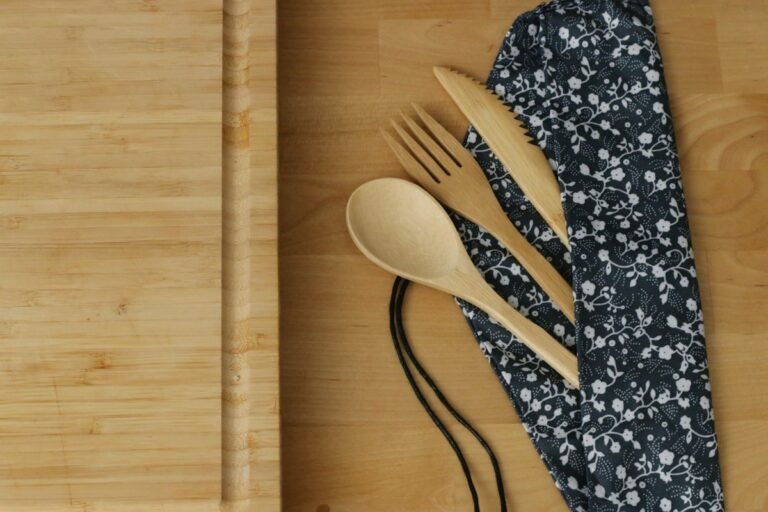
The kitchen generates a significant portion of daily household waste. Switching out synthetic kitchen tools for bamboo alternatives is one of the easiest updates you can make.
- Bamboo Cutting Boards and Utensils: Unlike plastic boards that shed microplastics into your food over time, solid bamboo utensils are non-toxic, heat-resistant, and hygienic.
- Reusable Food Storage Solutions: Moving away from single-use cling film toward natural food wraps or bamboo lid containers keeps your ingredients fresh without generating unnecessary rubbish.
Integrating these items into your daily meal preparation routine simplifies clean-up while instilling mindful habits across the whole family. If you want to explore more options for upgrading your daily items, you can check out Aegle Sriphal’s sustainable lifestyle essentials to discover practical products built for long-term use.
Zero-Waste Stationery: Plantable Pencils That Grow
Education and daily office work rely heavily on writing materials. Traditional wooden pencils contribute to deforestation, while plastic pens end up directly in the trash bin once the ink runs dry. Plantable stationery offers a creative, circular solution to this everyday problem.
How Plantable Pencils Work
Plantable pencils are designed with a biodegradable seed capsule at the stub end instead of an eraser. When the pencil becomes too short to write with, you simply plant it upside down in a pot of moist soil.
- Embedded Seeds: Packed with seeds ranging from fresh basil and tomato to wildflowers.
- Zero Residual Waste: The entire body decomposes naturally, leaving behind zero toxic waste.
- Educational Value: Excellent for children, students, and corporate teams to learn hands-on lesson about life cycles and circular design.
This simple innovation turns discarded office supplies into living plants, bringing greenery directly to your desk or garden windowsill.
Fostering Grassroots Environmental Awareness Across South Asia
Creating eco-friendly products is only one half of the equation; building a culture of environmental stewardship across India and South Asia is the other. Sustainability needs to be accessible, regional, and deeply educational to create long-term societal change.
Community Engagement and Local Impact
Resource conservation, climate resilience, and waste management are critical challenges facing South Asian communities today. Sustainable consumption must work alongside active educational outreach to address these issues effectively.
- Schools and Educational Institutions: Supplying plantable stationery to young learners fosters early environmental responsibility and hands-on learning.
- Corporate Alliances: Businesses moving away from plastic promotional swag towards useful jute and bamboo goods significantly lower their carbon footprints.
- Regional Campaigns: Focused digital and local campaigns highlight practical ways to conserve resources within regional context.
When sustainable living is grounded in local culture and practical choices, it moves from a niche trend into a widespread, lasting habit.
Simple Action Plan to Start Your Green Journey Today
Making the switch to sustainable living does not have to be complicated or expensive. Follow this step-by-step checklist to start making a real impact right now:
- Audit Your Single-Use Consumption: Walk through your kitchen, bathroom, and workplace to identify plastic items you replace frequently.
- Prioritise High-Impact Swaps: Focus on replacing items you use every day, such as shopping totes, kitchen utensils, and daily writing pens.
- Choose 100% Natural Materials: Look for items made purely from unrefined bamboo, untreated jute, or organic plant fibres.
- Pass on the Knowledge: Share your eco-friendly habits with family members, co-workers, and friends to expand your personal positive impact.
Taking small, intentional steps every day builds a lasting routine that protects natural ecosystems for generations to come. To take your first step today, start your eco-conscious journey with Aegle Sriphal’s sustainable lifestyle essentials and bring natural, high-quality alternatives into your home.