Why Switching to Sustainable Lifestyle Essentials Matters Now
We throw away an alarming amount of plastic every single day. Mainstream everyday items are mass-produced with almost zero regard for long-term ecological damage. However, taking back control of your environmental footprint does not require overhauling your life overnight. It starts with replacing routine throwaway items with thoughtful sustainable lifestyle essentials that lower landfill output and reduce overall reliance on synthetic materials.
By building daily habits around renewable resources like bamboo, organic jute, and zero-waste household tools, you actively lessen your impact on the planet. Fostering real environmental awareness starts with education and conscious action. You can discover how natural materials transform your everyday routine through Eco-Transformation: Aegle Sriphal’s Sustainable Product Initiative, which provides practical tools designed to replace single-use plastics across South Asian households.
Top Books That Will Change How You View Household Waste
To build a genuinely eco-conscious mindset, you need solid reading material that shifts how you think about consumption, trash, and resource conservation. Reading real-world guides gives you actionable frameworks rather than vague ideas.
Here are four essential reads to jumpstart your zero-waste journey:
- Attainable Sustainable: Perfect for beginners looking for straightforward, practical shifts. It breaks down homesteading techniques, simple sourdough baking, natural food preservation, and backyard gardening without feeling overwhelming.
- Handbook of Forgotten Skills: A brilliant guide filled with practical household tricks. You will learn how to mend minor fabric tears, make homemade beverages from scratch, and wrap gifts naturally using simple brown paper instead of plastic-coated film.
- The Lost Skills & Crafts Handbook: A deeper dive into self-sufficiency and resourcefulness. It covers candle making, natural dye processes, foraging, and old-school craft techniques that help reduce reliance on factory-made goods.
- Attainable Sustainable Pantry: Focuses specifically on removing packaged, processed foods from your kitchen. It teaches you fermenting, canning, and scratch-cooking methods that eliminate plastic packaging before it even enters your home bin.
Reading about where waste actually ends up can be disquieting, but it is also empowering. Once you see how small actions scale across thousands of households, making mindful choices becomes second nature.
Must-Follow Blogs for Daily Zero-Waste Inspiration
Books give you the foundational knowledge, but blogs keep you accountable every single week. Following active eco-creators provides fresh recipes, seasonal tips, and quick low-waste hacks.
1. Homespun Seasonal Living
This blog is fantastic for anyone wanting to connect their lifestyle with natural rhythms. It focuses on garden-fresh recipes, using seasonal ingredients, and eliminating food waste. The author even offers a monthly newsletter with low-waste BINGO challenges that prompt you to try fun, sustainable activities at home.
2. Local Refilleries and Low-Waste Stores
Check if your local eco-refill shop or neighbourhood sustainable brand maintains a digital journal. Following regional updates keeps you informed about bulk buying options, local recycling initiatives, and community composting programmes near you.
3. Going Zero Waste
If you prefer fast, punchy, list-style content, this blog is a goldmine. It features clear guides on plastic-free swaps, ethical fashion choices, and beginner friendly zero-waste starter kits. The direct layout makes finding quick solutions effortless.
4. Attainable Sustainable Blog
An online companion to the popular book series, this platform offers searchable guides for replacing store-bought items with homemade alternatives. Need a quick recipe for home-made condiments or zero-waste household cleaners? A fast search delivers instant step-by-step instructions.
Swapping Daily Items: Bamboo, Jute, and Plantable Innovation
Information is crucial, but physical habits require physical tools. Replacing traditional plastic items with durable, natural material alternatives is one of the quickest ways to clean up your home footprint.
Consider these primary natural materials:
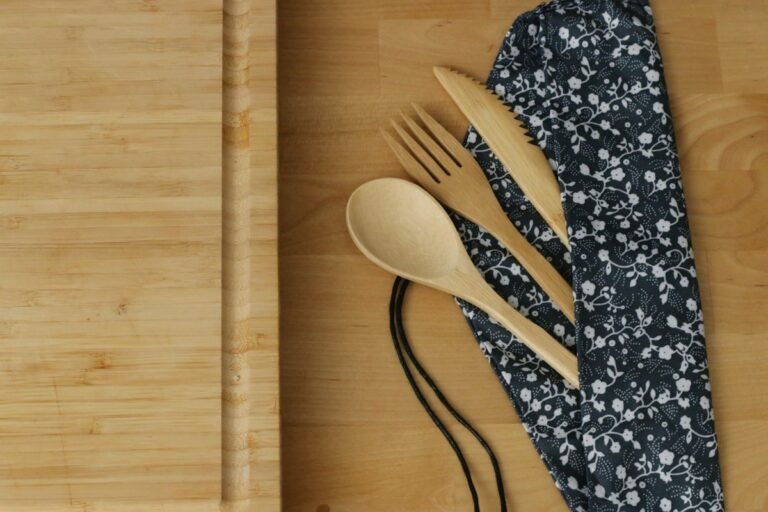
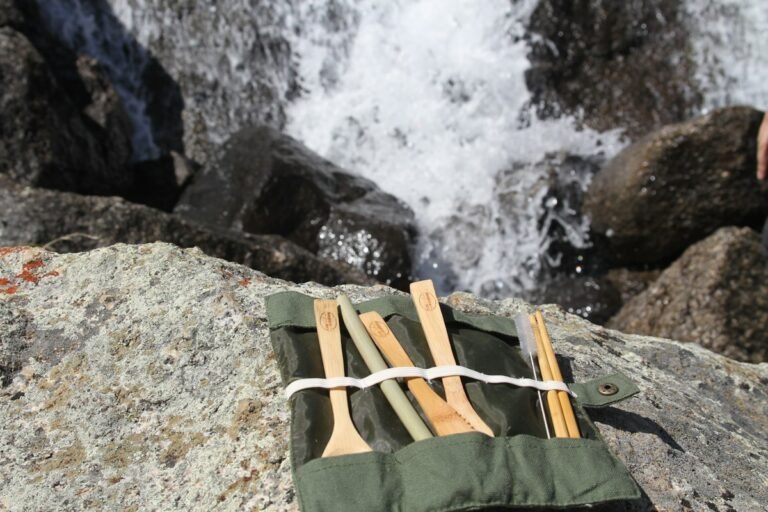
- Bamboo: Extremely fast-growing, requires no heavy chemical pesticides, and absorbs substantial carbon dioxide. Bamboo works brilliantly for cutlery, toothbrush handles, and resilient kitchenware.
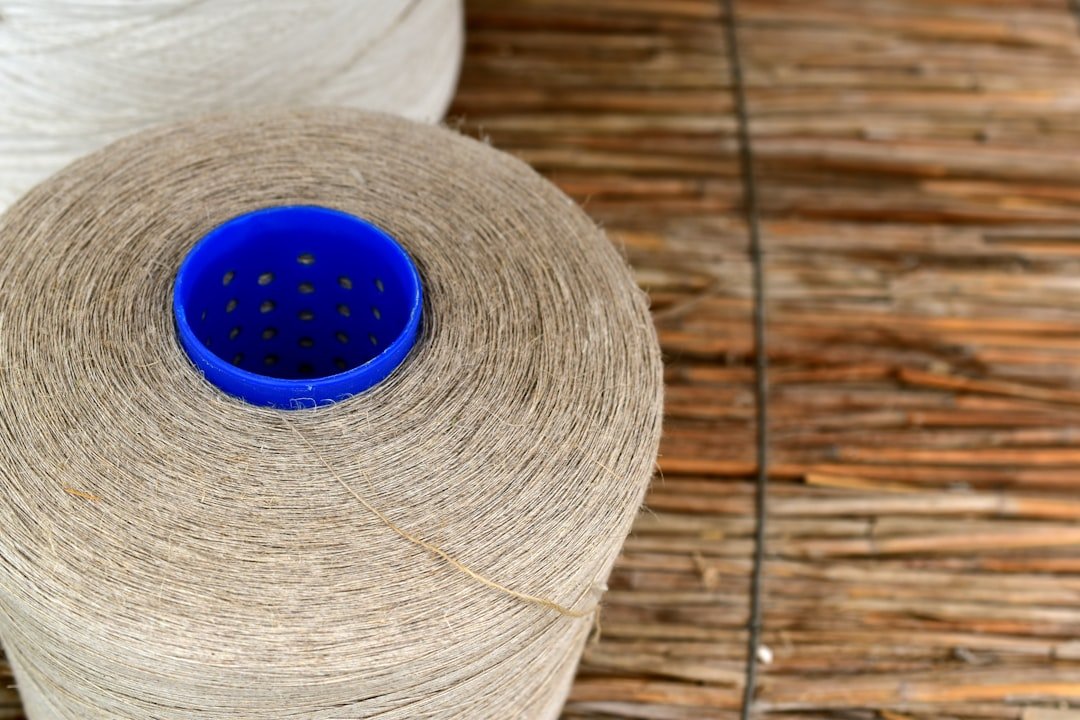
- Jute: Often called the ‘golden fibre’, jute is completely biodegradable, highly durable, and ideal for reusable shopping bags, twine, and sturdy home textiles.
- Plantable Stationery: Writing utensils embedded with non-GMO seeds at the top. Once the pencil becomes too short to use, push it upside down into soil, water it, and watch herbs or flowers sprout.
Investing in high-quality Sustainable lifestyle essentials from Aegle Sriphal allows you to substitute single-use items with natural alternatives crafted specifically from renewable bamboo and jute.
Building a Mindful Everyday Habit Routine
Buying natural products is only half the equation. Developing a resilient eco-conscious routine requires consistent everyday choices. Here is how you can systematically lower your personal footprint:
- Conduct a Trash Audit: Look into your home waste bin at the end of the week. Identify what appears most frequently. Is it food packaging? Soft plastics? Disposable wipes? Target that single category first.
- Opt for Repair Over Replacement: Learn basic mending, stitch up frayed bags, and oil wooden kitchen utensils so they last for years rather than ending up in a landfill.
- Choose Multipurpose Goods: Avoid single-use gadgets or hyper-specific plastic tools. Select versatile utensils, natural cloth wraps, and durable containers that perform multiple jobs around the kitchen.
- Engage Your Immediate Community: Share books, pass along jars for home canning, and discuss swap ideas with neighbours. Sustainability works far better when embraced as a shared group effort.
Partnering for Grassroots Environmental Education
True lifestyle transformation goes beyond individual households. Educational institutions, corporate offices, non-governmental organisations, and local community groups across India and South Asia play a vital role in normalizing eco-friendly habits.
By bringing natural, plantable items into classrooms and office spaces, institutions can make environmental education hands-on. Imagine students using plantable pencils that grow into plants once finished. That turns an abstract science lesson into a tangible, memorable experience.
Similarly, corporate gifting programmes can swap out cheap plastic promotional items for beautifully crafted jute accessories or bamboo desk items. It lowers corporate waste streams while sending a clear signal about organizational values. Fostering grassroots environmental awareness through local institutions ensures sustainable choices become standard cultural practices rather than temporary trends.
Final Thoughts on Making the Eco-Friendly Transition
You do not need to live a flawless zero-waste lifestyle overnight to make a genuine difference. Perfection is not the target, meaningful progress is. Replacing plastic items with natural alternatives, reading resource books, and following dedicated low-waste blogs creates momentum that builds over time.
Start small this week. Swap your plastic toothbrush for bamboo, keep a sturdy jute bag in your vehicle, or pick up one eco-focused book from your local library. Every conscious choice helps shift market demand away from harmful synthetic materials toward renewable alternatives.
Ready to upgrade your everyday routine with natural, functional tools? Explore Aegle Sriphal’s Sustainable Product Line to find beautifully designed bamboo homeware, plantable stationery, and jute essentials crafted for a cleaner, greener home.