The Natural Shift: Rethinking Everyday Homeware
Look around your living room or kitchen right now. How much synthetic plastic do you see? From cheap storage caddies to synthetic dishcloths, petroleum-based goods quietly dominate modern homes. Most of us never planned to fill our living spaces with throwaway plastics, yet conventional retail leaves little choice. True sustainable living is not about tossing everything you own into a skip overnight; it begins by swapping out the short-lived essentials for items crafted with purpose, durability, and natural balance in mind.
When you make room for renewable, plant-based materials like bamboo and jute, your home feels lighter, cleaner, and grounded. Choosing the right sustainable lifestyle essentials from Aegle Sriphal allows you to turn daily routines into practical acts of environmental stewardship. These everyday swaps prove that functionality and natural design can easily replace flimsy consumer plastics without complicating your life.
Why Everyday Homeware Demands an Eco-Overhaul
The sheer volume of single-use and short-lived consumer goods produced each year is staggering. Think of the millions of plastic straws, synthetic scourers, and non-recyclable storage boxes manufactured every single day: items used for a fraction of their lifespan that will linger in landfills for centuries.
Most conventional goods follow a straight line: extract fossil fuels, fabricate cheap plastics, ship them across the globe, use them briefly, and discard them. The environmental cost hides behind convenient price tags. Toxins leach into waterways during production, microplastics shed into our domestic water systems during washing, and disposal systems struggle under the weight of non-biodegradable waste.
Conscious everyday living flips this outdated script. When we select biodegradable homeware, we demand products that come from the soil and can return to it safely. It replaces mindless convenience with thoughtful longevity.
The Power of Fast-Growing Bamboo and Hardy Jute
Why do natural materials make such an enormous difference? Take bamboo, for instance.
- Bamboo is technically a grass, not a tree, meaning it grows at astonishing speeds without the need for synthetic fertilisers or heavy irrigation.
- Once harvested, its extensive root system remains intact, naturally preventing soil erosion and shooting up fresh culms year after year.
- It possesses natural antimicrobial properties, making it an exceptional material for kitchenware, bathroom accessories, and daily utility items.
- Jute, another regional powerhouse, requires minimal water and enriches the soil it grows in while providing incredibly strong plant fibres.
These are not modern chemical inventions cooked up in an industrial lab. They are regenerative, time-tested natural fibres that have served domestic life for centuries. When processed thoughtfully, they offer better resilience, tactile warmth, and aesthetic appeal than any petrochemical alternative could muster.
Comparing Approaches: General Green Stores vs Pure Natural Manufacturing
Retailers like ECHOstore have long highlighted the appeal of curated zero-waste products: stocking items like stainless steel drinking straws, beeswax food polish, and bottled vegetable washes. These general eco-shops provide a helpful first step for shoppers seeking variety in domestic cleaning and personal care.
Yet, many multi-brand retail collections face clear limitations:
| Focus Area | Curated General Eco-Retailers | Aegle Sriphal Natural Manufacturing |
|---|---|---|
| Material Origin | Varied (mixed stainless steel, beeswax, synthetics) | 100% natural plant materials (Bamboo, Jute) |
| Product Lifecycles | Focuses on multi-material reusability | Focuses on natural circularity and biodegradability |
| Educational Impact | Retail-driven utility | Interactive products (including plantable items) |
| Regional Mission | Commercial distribution | Deep community advocacy and institutional awareness |
While buying an isolated metal straw or a bottle of surface cleaner helps eliminate single-use trash, it often leaves the larger home ecosystem untouched. Aegle Sriphal tackles the underlying material problem by focusing on pure, renewable agricultural fibres like bamboo and jute. By crafting homeware from raw, biodegradable sources, you do not just delay waste; you eliminate the petroleum supply chain entirely.
Adopting durable, earth-friendly goods does not require complex routines. You can effortlessly integrate conscious living options and sustainable lifestyle essentials across your kitchen, study, and shared living areas to build real domestic harmony.
Everyday Essentials for a Zero-Waste Transition
Stepping away from plastic does not mean you must live in an empty room with bare floorboards. It simply means choosing practical alternatives that work just as hard as their synthetic counterparts.
1. Kitchen and Dining Utility
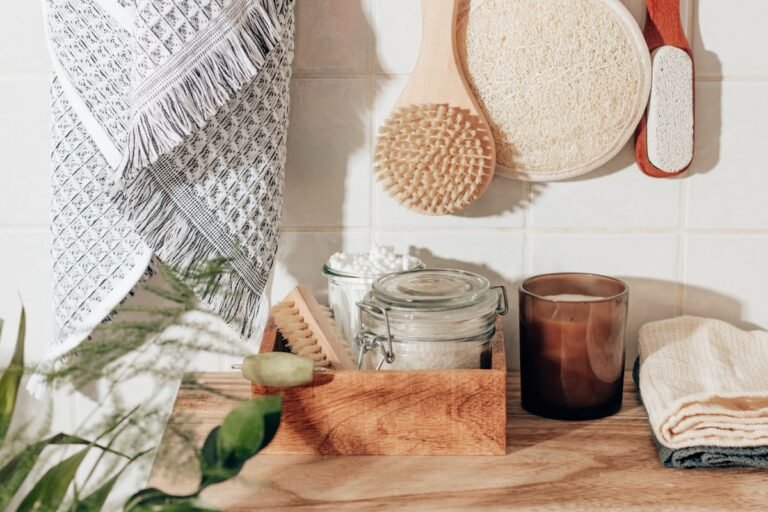
Trade out synthetic cleaning pads and plastic cutlery for natural bamboo dishcloths, scrubbers, and utensils. Bamboo does not absorb odours easily, dries rapidly, and will never shed harmful microplastic threads down the sink drain.
2. Mindful Workspaces and Living Areas
Even a desk can embrace circular living. Aegle Sriphal has pioneered interactive designs such as plantable pencils alongside bamboo desk organisers. Once a pencil becomes too short to hold comfortably, you bury the end in a pot of soil and water it; watching fresh herbs or flowers sprout instead of tossing another piece of stationery into the bin. It is a brilliant, tactile reminder of natural life cycles right beside your laptop.
3. Tidy Jute Storage
Say goodbye to brittle plastic crates. Breathable, durable jute storage baskets keep textiles, toys, and pantry supplies organised while lending an earthy, grounded texture to any shelf or wardrobe.
Fostering a Culture of Environmental Awareness
Shifting consumer habits across South Asia requires more than just making well-designed homeware. It requires open conversation, consumer education, and regional community action. Local sustainability challenges, such as overwhelmed municipal landfills and rapid resource depletion, need practical domestic solutions that regular households can adopt immediately.
Through thoughtful educational campaigns and collaborations with schools, universities, and mission-aligned organisations, the goal is to make sustainability tangible. When students use plantable stationery or families swap out synthetic kitchenware for locally renewable bamboo items, green living stops being a luxury slogan and becomes a normal, daily habit. Small decisions made inside the home build regional ecological resilience.
Making the Switch: Simple Steps to Sustainable Living
Transforming your domestic space is a gradual process. You do not need to replace every item at once; simply replace items mindfully as they wear out.
- Audit your plastic hotspots: Check your kitchen counters and bathroom shelves. Identify what gets replaced often.
- Prioritise natural, unblended fibres: Choose raw bamboo, unbleached jute, and untreated woods over composite plastics.
- Opt for circular items: Look for goods designed to return to the earth naturally without leaving chemical residues behind.
- Support educational eco-initiatives: Purchase from makers who invest in local ecological awareness and community education.
By welcoming functional, earth-friendly materials into your daily environment, you build a home that respects the planet. Explore the full collection of sustainable lifestyle essentials designed by Aegle Sriphal and begin crafting your conscious home today.